
About This Book
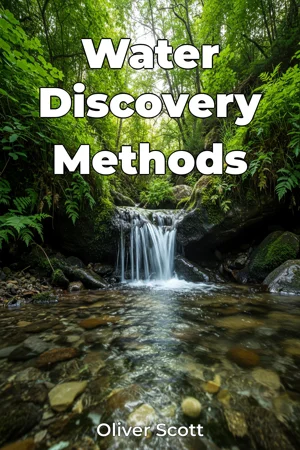
Can you confidently locate and purify water in any environment, ensuring your survival and well-being? This book, "Water Discovery Methods," offers a comprehensive guide to identifying and purifying water sources across diverse terrains, drawing upon established wilderness practices and scientific principles. This knowledge is crucial, as access to potable water is not just a convenience, but a fundamental requirement for survival and sustained well-being in any outdoor setting. This book focuses on three key areas: water source identification, purification techniques, and risk assessment related to waterborne contaminants. Understanding these topics is paramount for anyone venturing into wilderness areas, whether for recreation, research, or professional endeavors. Without this knowledge, individuals are vulnerable to dehydration, illness, and potentially life-threatening situations. The context for this book is rooted in both historical survival strategies and modern scientific understanding of water quality and purification. For centuries, humans have relied on traditional methods to find and treat water in the wild. We will build on this foundation with current scientific advancements in filtration and disinfection to provide a robust and adaptable approach. While prior experience in wilderness survival is helpful, it is not a prerequisite; this book is designed to be accessible to both novices and experienced outdoors enthusiasts. The central argument of "Water Discovery Methods" is that with the proper knowledge and techniques, individuals can reliably secure safe drinking water in virtually any natural environment. This argument is significant because it empowers readers to become self-sufficient and resilient, reducing their dependence on external resources and minimizing the risks associated with waterborne illnesses. The book is structured to guide you through the process of water procurement in a logical and practical manner. It begins with an introduction to basic hydrological principles and the importance of water for human survival. We will then delve into detailed descriptions of various water sources, ranging from easily accessible surface water to less obvious sources like condensation and subsurface flows. The core of the book focuses on purification techniques including boiling, filtration (using both commercially available filters and improvised methods), chemical disinfection, and solar disinfection. Risk assessment is woven throughout, emphasizing the potential hazards associated with different water sources and the importance of choosing the most appropriate purification method. The book culminates with practical scenarios and case studies, illustrating how to apply the techniques learned in real-world situations. The evidence presented in "Water Discovery Methods" is a blend of scientific research, field observations, and established best practices. We will cite studies on the effectiveness of different purification methods, analyze data on water contamination in various regions, and share insights from experienced survival experts. Unique data sources, such as water quality reports from remote areas and analyses of traditional water purification practices, will also be incorporated. This book connects to several interdisciplinary fields. Ecology plays a role in understanding the relationship between water sources and their surrounding ecosystems. Chemistry is involved in understanding the science of water purification, and public health informs the discussion of waterborne diseases and safe drinking water standards. These connections enrich the book's argument by providing a more holistic understanding of water procurement in the wilderness. "Water Discovery Methods" distinguishes itself by offering a balanced approach that combines traditional knowledge with modern scientific advancements. It provides not only theoretical information but also practical, step-by-step instructions that readers can readily apply in the field. The tone of the book is both informative and accessible. Information is presented in a clear and concise manner, avoiding jargon while maintaining scientific accuracy. The writing style is designed to be engaging and empowering, encouraging readers to take an active role in their own safety and well-being. The target audience for this book includes hikers, campers, backpackers, survivalists, outdoor educators, researchers working in remote areas, and anyone else who may find themselves in a situation where they need to secure their own drinking water. This book is valuable to them because it provides the knowledge and skills necessary to confidently and safely navigate water procurement challenges in the wilderness. As a work of non-fiction in the travel and nature genres, "Water Discovery Methods" emphasizes accuracy, credibility, and practical utility. The real-world applications are diverse, ranging from ensuring safe drinking water during recreational outings to providing life-saving skills in emergency situations. While the book covers a broad range of water sources and purification techniques, it does not delve into the specifics of water treatment for large-scale communities or industrial purposes. The focus remains firmly on individual and small-group survival in wilderness settings. Ongoing debates exist regarding the long-term effects of certain water disinfection methods and the potential for emerging contaminants in water supplies. This book addresses these controversies by presenting the available evidence and encouraging readers to stay informed about the latest research.
Can you confidently locate and purify water in any environment, ensuring your survival and well-being? This book, "Water Discovery Methods," offers a comprehensive guide to identifying and purifying water sources across diverse terrains, drawing upon established wilderness practices and scientific principles. This knowledge is crucial, as access to potable water is not just a convenience, but a fundamental requirement for survival and sustained well-being in any outdoor setting. This book focuses on three key areas: water source identification, purification techniques, and risk assessment related to waterborne contaminants. Understanding these topics is paramount for anyone venturing into wilderness areas, whether for recreation, research, or professional endeavors. Without this knowledge, individuals are vulnerable to dehydration, illness, and potentially life-threatening situations. The context for this book is rooted in both historical survival strategies and modern scientific understanding of water quality and purification. For centuries, humans have relied on traditional methods to find and treat water in the wild. We will build on this foundation with current scientific advancements in filtration and disinfection to provide a robust and adaptable approach. While prior experience in wilderness survival is helpful, it is not a prerequisite; this book is designed to be accessible to both novices and experienced outdoors enthusiasts. The central argument of "Water Discovery Methods" is that with the proper knowledge and techniques, individuals can reliably secure safe drinking water in virtually any natural environment. This argument is significant because it empowers readers to become self-sufficient and resilient, reducing their dependence on external resources and minimizing the risks associated with waterborne illnesses. The book is structured to guide you through the process of water procurement in a logical and practical manner. It begins with an introduction to basic hydrological principles and the importance of water for human survival. We will then delve into detailed descriptions of various water sources, ranging from easily accessible surface water to less obvious sources like condensation and subsurface flows. The core of the book focuses on purification techniques including boiling, filtration (using both commercially available filters and improvised methods), chemical disinfection, and solar disinfection. Risk assessment is woven throughout, emphasizing the potential hazards associated with different water sources and the importance of choosing the most appropriate purification method. The book culminates with practical scenarios and case studies, illustrating how to apply the techniques learned in real-world situations. The evidence presented in "Water Discovery Methods" is a blend of scientific research, field observations, and established best practices. We will cite studies on the effectiveness of different purification methods, analyze data on water contamination in various regions, and share insights from experienced survival experts. Unique data sources, such as water quality reports from remote areas and analyses of traditional water purification practices, will also be incorporated. This book connects to several interdisciplinary fields. Ecology plays a role in understanding the relationship between water sources and their surrounding ecosystems. Chemistry is involved in understanding the science of water purification, and public health informs the discussion of waterborne diseases and safe drinking water standards. These connections enrich the book's argument by providing a more holistic understanding of water procurement in the wilderness. "Water Discovery Methods" distinguishes itself by offering a balanced approach that combines traditional knowledge with modern scientific advancements. It provides not only theoretical information but also practical, step-by-step instructions that readers can readily apply in the field. The tone of the book is both informative and accessible. Information is presented in a clear and concise manner, avoiding jargon while maintaining scientific accuracy. The writing style is designed to be engaging and empowering, encouraging readers to take an active role in their own safety and well-being. The target audience for this book includes hikers, campers, backpackers, survivalists, outdoor educators, researchers working in remote areas, and anyone else who may find themselves in a situation where they need to secure their own drinking water. This book is valuable to them because it provides the knowledge and skills necessary to confidently and safely navigate water procurement challenges in the wilderness. As a work of non-fiction in the travel and nature genres, "Water Discovery Methods" emphasizes accuracy, credibility, and practical utility. The real-world applications are diverse, ranging from ensuring safe drinking water during recreational outings to providing life-saving skills in emergency situations. While the book covers a broad range of water sources and purification techniques, it does not delve into the specifics of water treatment for large-scale communities or industrial purposes. The focus remains firmly on individual and small-group survival in wilderness settings. Ongoing debates exist regarding the long-term effects of certain water disinfection methods and the potential for emerging contaminants in water supplies. This book addresses these controversies by presenting the available evidence and encouraging readers to stay informed about the latest research.
"Water Discovery Methods" is an essential guide for anyone venturing into the wilderness, focusing on the critical skills needed to locate and purify water. The book empowers readers to confidently identify diverse water sources, from surface water to less obvious options like condensation. An intriguing fact is that even seemingly clear water can harbor dangerous pathogens, highlighting the importance of proper purification. The book emphasizes that accessing safe drinking water is not merely a convenience but a survival imperative. The book progresses logically, starting with basic hydrological principles and then delving into detailed descriptions of purification techniques, blending traditional methods with modern science. Readers will learn about boiling, filtration – both commercial and improvised – chemical disinfection, and solar disinfection. Risk assessment is interwoven throughout, teaching readers to identify potential hazards and choose the most appropriate purification method. This approach ensures readers gain both theoretical knowledge and practical skills, making "Water Discovery Methods" a valuable resource for hikers, campers, and anyone interested in outdoor survival and nature.
Book Details
ISBN
9788233977214
Publisher
Publifye AS
Your Licenses
You don't own any licenses for this book
Purchase a license below to unlock this book and download the EPUB.
Purchase License
Select a tier to unlock this book
Need bulk licensing?
Contact us for enterprise agreements.