
About This Book
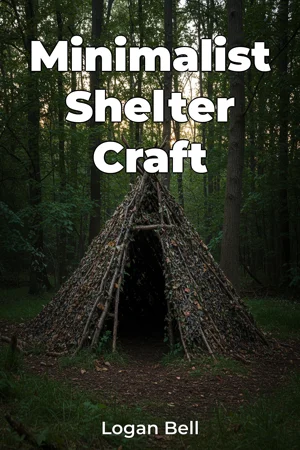
Could you survive a night exposed to the elements with only what you can carry and what nature provides? "Minimalist Shelter Craft" is designed to equip you with the knowledge and skills to construct effective, robust shelters using minimal resources, drawing upon established survival principles and time-tested techniques. This book focuses on the critical intersection of resourcefulness, structural integrity, and environmental awareness in emergency shelter construction. Shelter building is not merely a craft; it's a fundamental survival skill. This book addresses three main areas: resource identification and utilization, structural design principles for stability and weather resistance, and the ethical considerations of building in natural environments. We explore why understanding local ecosystems and material properties is crucial for building shelters that are both effective and sustainable. Understanding these principles minimizes environmental impact while maximizing protection. We'll delve into the historical evolution of shelter building, examining indigenous techniques and their modern applications. We then move into the scientific principles behind structural stability, heat retention, and weatherproofing. The reader will gain a practical understanding of how wind, rain, and temperature affect shelter design and construction. No advanced engineering knowledge is needed; we provide accessible explanations and step-by-step guides. The central argument of "Minimalist Shelter Craft" is that effective emergency shelter can be achieved through a deep understanding of basic structural principles and resourceful use of available materials. This is critical because in survival situations, the ability to quickly construct a safe and reliable shelter can be the difference between life and death. The book is structured in three parts. The first part introduces the core concepts of minimalist shelter building. The second part covers specific shelter designs and their application in different environments. Detailed instructions, supported by illustrations, guide the reader through the construction of lean-tos, debris huts, and snow shelters. The third part addresses advanced techniques, ethical considerations, and long-term shelter maintenance and enhancement. Evidence is presented through documented survival case studies, material science research, and field-tested construction methods. We draw upon data from military survival manuals, wilderness guides, and academic studies on material strength and insulation properties. The book is relevant to several disciplines beyond crafts and hobbies, including environmental science (understanding impact), engineering (structural integrity), and history (cultural building techniques). These interdisciplinary connections enrich the reader's understanding of shelter building and its broader implications. "Minimalist Shelter Craft"'s unique approach focuses on adaptability. Rather than providing rigid instructions, it emphasizes the underlying principles that allow the reader to modify designs based on their specific environment and the resources at hand. This adaptable approach sets it apart from guides that only offer a limited selection of pre-defined projects. The tone is practical and informative, written in a clear and concise style suitable for both beginners and experienced outdoors enthusiasts. The book is targeted at hikers, campers, survivalists, and anyone interested in developing practical wilderness skills. The accessible style makes it a useful reference for anyone who may find themselves in an unanticipated survival situation. As a crafts and hobbies book, "Minimalist Shelter Craft" emphasizes hands-on learning and practical application. It adheres to the conventions of clarity, detailed instructions, and visual aids common in the genre while maintaining a high degree of accuracy and realism. The scope of the book is limited to small, temporary shelters suitable for short-term survival. It does not cover permanent structures or advanced construction techniques. This intentional limitation allows for a focused exploration of minimalist methods. The techniques described in "Minimalist Shelter Craft" can be applied in any environment where natural materials are available. Whether venturing into the wilderness for recreation or preparing for potential emergencies, the knowledge gained from this book can provide confidence and resilience. While the core techniques presented are widely accepted within the survivalist community, differing opinions exist regarding the long-term sustainability of some resource-intensive shelter designs. The book acknowledges these debates and encourages responsible resource management.
Could you survive a night exposed to the elements with only what you can carry and what nature provides? "Minimalist Shelter Craft" is designed to equip you with the knowledge and skills to construct effective, robust shelters using minimal resources, drawing upon established survival principles and time-tested techniques. This book focuses on the critical intersection of resourcefulness, structural integrity, and environmental awareness in emergency shelter construction. Shelter building is not merely a craft; it's a fundamental survival skill. This book addresses three main areas: resource identification and utilization, structural design principles for stability and weather resistance, and the ethical considerations of building in natural environments. We explore why understanding local ecosystems and material properties is crucial for building shelters that are both effective and sustainable. Understanding these principles minimizes environmental impact while maximizing protection. We'll delve into the historical evolution of shelter building, examining indigenous techniques and their modern applications. We then move into the scientific principles behind structural stability, heat retention, and weatherproofing. The reader will gain a practical understanding of how wind, rain, and temperature affect shelter design and construction. No advanced engineering knowledge is needed; we provide accessible explanations and step-by-step guides. The central argument of "Minimalist Shelter Craft" is that effective emergency shelter can be achieved through a deep understanding of basic structural principles and resourceful use of available materials. This is critical because in survival situations, the ability to quickly construct a safe and reliable shelter can be the difference between life and death. The book is structured in three parts. The first part introduces the core concepts of minimalist shelter building. The second part covers specific shelter designs and their application in different environments. Detailed instructions, supported by illustrations, guide the reader through the construction of lean-tos, debris huts, and snow shelters. The third part addresses advanced techniques, ethical considerations, and long-term shelter maintenance and enhancement. Evidence is presented through documented survival case studies, material science research, and field-tested construction methods. We draw upon data from military survival manuals, wilderness guides, and academic studies on material strength and insulation properties. The book is relevant to several disciplines beyond crafts and hobbies, including environmental science (understanding impact), engineering (structural integrity), and history (cultural building techniques). These interdisciplinary connections enrich the reader's understanding of shelter building and its broader implications. "Minimalist Shelter Craft"'s unique approach focuses on adaptability. Rather than providing rigid instructions, it emphasizes the underlying principles that allow the reader to modify designs based on their specific environment and the resources at hand. This adaptable approach sets it apart from guides that only offer a limited selection of pre-defined projects. The tone is practical and informative, written in a clear and concise style suitable for both beginners and experienced outdoors enthusiasts. The book is targeted at hikers, campers, survivalists, and anyone interested in developing practical wilderness skills. The accessible style makes it a useful reference for anyone who may find themselves in an unanticipated survival situation. As a crafts and hobbies book, "Minimalist Shelter Craft" emphasizes hands-on learning and practical application. It adheres to the conventions of clarity, detailed instructions, and visual aids common in the genre while maintaining a high degree of accuracy and realism. The scope of the book is limited to small, temporary shelters suitable for short-term survival. It does not cover permanent structures or advanced construction techniques. This intentional limitation allows for a focused exploration of minimalist methods. The techniques described in "Minimalist Shelter Craft" can be applied in any environment where natural materials are available. Whether venturing into the wilderness for recreation or preparing for potential emergencies, the knowledge gained from this book can provide confidence and resilience. While the core techniques presented are widely accepted within the survivalist community, differing opinions exist regarding the long-term sustainability of some resource-intensive shelter designs. The book acknowledges these debates and encourages responsible resource management.
"Minimalist Shelter Craft" teaches essential skills for building robust, temporary shelters using minimal resources and time-tested techniques. Emphasizing resourcefulness, structural integrity, and environmental awareness, the book dives into understanding local ecosystems and material properties, crucial for effective and sustainable shelter construction. You'll discover how indigenous techniques and scientific principles of structural stability apply to building life-saving shelters. Did you know that understanding how wind, rain, and temperature affect shelter design can significantly improve its effectiveness, or that the resourceful use of debris can provide insulation against the elements? The book uniquely emphasizes adaptability, empowering readers to modify shelter designs based on their specific environments and available resources. Moving from core concepts to specific shelter types, the book offers detailed instructions and illustrations for building lean-tos, debris huts, and even snow shelters. Later chapters explore advanced techniques, ethical considerations, and long-term shelter maintenance. This approach makes it valuable for anyone interested in wilderness survival, from hikers to survivalists, providing practical knowledge applicable in any environment where natural materials are accessible.
Book Details
ISBN
9788233977146
Publisher
Publifye AS
Your Licenses
You don't own any licenses for this book
Purchase a license below to unlock this book and download the EPUB.
Purchase License
Select a tier to unlock this book
Need bulk licensing?
Contact us for enterprise agreements.