
About This Book
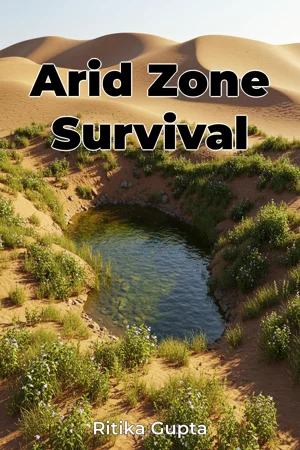
How can human ingenuity overcome the unforgiving realities of arid environments? *Arid Zone Survival* delves into the dual challenges of heat management and scarce water resources that define life in these regions, drawing upon established science and field observations to offer a crucial understanding of survival in some of the planet's most extreme landscapes. This book addresses two critical areas: the physiological and practical aspects of heat regulation for humans, and the strategies for locating, collecting, and conserving water in arid zones. These topics are paramount due to the increasing pressures of climate change, which are expanding arid zones globally and necessitating a deeper comprehension of how to thrive in these environments. Furthermore, understanding the dynamics of arid ecosystems provides insights into sustainable resource management applicable even beyond desert regions. The context for this exploration lies in the intersection of environmental science, geography, and human adaptation. While basic knowledge of hydration and heatstroke is beneficial, the book goes beyond elementary survival guides, offering insights into the complex interplay between human physiology, environmental conditions, and resource availability. The central argument presented is that successful arid zone survival hinges on actively adapting behavior and utilizing available resources in ways that minimize water loss and avoid critical heat stress. This requires a combination of understanding the scientific principles governing these processes and applying practical techniques refined through observation and necessity by people who live in or traverse arid regions. The book is structured to first introduce the fundamental concepts of thermoregulation and hydrology specific to arid climates. It then progresses through major themes, including: (1) detailed analysis of the physiological responses to heat and dehydration, and effective mitigation strategies; (2) exploration of various water sourcing methods, from identifying natural springs and collecting dew to constructing solar stills and utilizing subsurface condensation; and (3) examination of sustainable practices for water conservation, including effective shelter design, activity management, and waste reduction. The book culminates in a synthesis of these principles, providing practical guidelines for individuals and communities facing arid conditions, along with broader implications for sustainable living in water-scarce environments. The evidence presented will consist of a combination of established scientific literature on human physiology and environmental science, alongside field observations concerning successful and unsuccessful strategies utilized in arid zones. Data from geographical surveys, meteorological records, and case studies of survival situations will further support the arguments. Interdisciplinary connections are vital to fully understand the dynamics of survival in arid zones. The book integrates elements of: (1) Earth Sciences, specifically climatology and hydrology, to understand water availability and weather patterns; (2) Human Biology, focusing on the body's responses to heat and dehydration; and (3) Geography, examining the spatial distribution of resources and populations in arid regions. This book distinguishes itself by offering a balanced perspective that blends established scientific principles with practical, field-tested techniques. It goes beyond theoretical descriptions, providing actionable strategies based on a deep understanding of the unique challenges presented by arid environments. The book adopts a fact-based, analytical tone, aiming to inform and empower readers with practical knowledge grounded in science and observation instead of sensationalizing the topic. The target audience includes outdoor enthusiasts, survivalists, researchers in environmental science and geography, and anyone living in or planning to travel through arid regions. It will be valuable to those seeking a comprehensive understanding of the principles and practices of arid zone survival, as well as those interested in broader themes of sustainability and human adaptation to environmental challenges. As a book in the Earth Sciences Geography and Nature genres, readers can expect a focus on scientific accuracy, real-world applications, and a balanced perspective on environmental issues. The scope of the book is intentionally limited to the practical aspects of human survival in arid environments, focusing on heat management and water sourcing. Broader ecological issues, such as desertification or habitat loss, are addressed only insofar as they directly impact human survival. The information provided has numerous real-world applications, from informing personal survival strategies to guiding the design of more sustainable communities in arid regions. It can also be used to develop educational programs and training materials for those working or traveling in these environments. While the book focuses on established scientific principles and field observations, it acknowledges ongoing debates in the field regarding the most effective water conservation techniques and the long-term sustainability of human activities in arid zones. These debates are presented fairly, with a focus on providing readers with the information needed to make informed decisions.
How can human ingenuity overcome the unforgiving realities of arid environments? *Arid Zone Survival* delves into the dual challenges of heat management and scarce water resources that define life in these regions, drawing upon established science and field observations to offer a crucial understanding of survival in some of the planet's most extreme landscapes. This book addresses two critical areas: the physiological and practical aspects of heat regulation for humans, and the strategies for locating, collecting, and conserving water in arid zones. These topics are paramount due to the increasing pressures of climate change, which are expanding arid zones globally and necessitating a deeper comprehension of how to thrive in these environments. Furthermore, understanding the dynamics of arid ecosystems provides insights into sustainable resource management applicable even beyond desert regions. The context for this exploration lies in the intersection of environmental science, geography, and human adaptation. While basic knowledge of hydration and heatstroke is beneficial, the book goes beyond elementary survival guides, offering insights into the complex interplay between human physiology, environmental conditions, and resource availability. The central argument presented is that successful arid zone survival hinges on actively adapting behavior and utilizing available resources in ways that minimize water loss and avoid critical heat stress. This requires a combination of understanding the scientific principles governing these processes and applying practical techniques refined through observation and necessity by people who live in or traverse arid regions. The book is structured to first introduce the fundamental concepts of thermoregulation and hydrology specific to arid climates. It then progresses through major themes, including: (1) detailed analysis of the physiological responses to heat and dehydration, and effective mitigation strategies; (2) exploration of various water sourcing methods, from identifying natural springs and collecting dew to constructing solar stills and utilizing subsurface condensation; and (3) examination of sustainable practices for water conservation, including effective shelter design, activity management, and waste reduction. The book culminates in a synthesis of these principles, providing practical guidelines for individuals and communities facing arid conditions, along with broader implications for sustainable living in water-scarce environments. The evidence presented will consist of a combination of established scientific literature on human physiology and environmental science, alongside field observations concerning successful and unsuccessful strategies utilized in arid zones. Data from geographical surveys, meteorological records, and case studies of survival situations will further support the arguments. Interdisciplinary connections are vital to fully understand the dynamics of survival in arid zones. The book integrates elements of: (1) Earth Sciences, specifically climatology and hydrology, to understand water availability and weather patterns; (2) Human Biology, focusing on the body's responses to heat and dehydration; and (3) Geography, examining the spatial distribution of resources and populations in arid regions. This book distinguishes itself by offering a balanced perspective that blends established scientific principles with practical, field-tested techniques. It goes beyond theoretical descriptions, providing actionable strategies based on a deep understanding of the unique challenges presented by arid environments. The book adopts a fact-based, analytical tone, aiming to inform and empower readers with practical knowledge grounded in science and observation instead of sensationalizing the topic. The target audience includes outdoor enthusiasts, survivalists, researchers in environmental science and geography, and anyone living in or planning to travel through arid regions. It will be valuable to those seeking a comprehensive understanding of the principles and practices of arid zone survival, as well as those interested in broader themes of sustainability and human adaptation to environmental challenges. As a book in the Earth Sciences Geography and Nature genres, readers can expect a focus on scientific accuracy, real-world applications, and a balanced perspective on environmental issues. The scope of the book is intentionally limited to the practical aspects of human survival in arid environments, focusing on heat management and water sourcing. Broader ecological issues, such as desertification or habitat loss, are addressed only insofar as they directly impact human survival. The information provided has numerous real-world applications, from informing personal survival strategies to guiding the design of more sustainable communities in arid regions. It can also be used to develop educational programs and training materials for those working or traveling in these environments. While the book focuses on established scientific principles and field observations, it acknowledges ongoing debates in the field regarding the most effective water conservation techniques and the long-term sustainability of human activities in arid zones. These debates are presented fairly, with a focus on providing readers with the information needed to make informed decisions.
*Arid Zone Survival* explores the critical challenges of living in arid environments, focusing on heat management and water sourcing. It highlights how understanding thermoregulation and mastering water conservation are essential for survival in these harsh landscapes. Interestingly, humans can lose up to 1-1.5 liters of water per hour through sweat in extreme heat, underscoring the urgency of effective hydration strategies. The book also examines how indigenous populations have developed unique survival skills over generations, offering valuable lessons in adapting to arid conditions. The book provides a structured approach, beginning with the science behind human adaptation to heat and dehydration, before moving into practical water sourcing techniques, like solar stills and dew collection. It emphasizes sustainable practices, such as shelter design and waste reduction, to minimize water loss. By integrating environmental science, geography, and human biology, "Arid Zone Survival" delivers actionable strategies for individuals and communities facing the growing challenges of climate change in arid regions.
Book Details
ISBN
9788233977054
Publisher
Publifye AS
Your Licenses
You don't own any licenses for this book
Purchase a license below to unlock this book and download the EPUB.
Purchase License
Select a tier to unlock this book
Need bulk licensing?
Contact us for enterprise agreements.