
About This Book
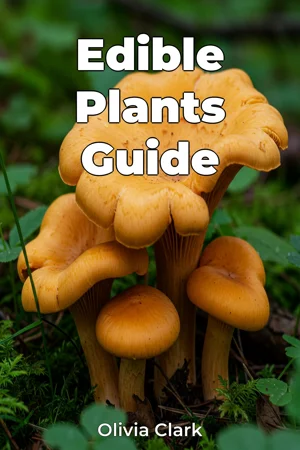
Have you ever considered the potential bounty of sustenance hidden in plain sight, thriving in our backyards, forests, and fields? "Edible Plants Guide" is a comprehensive exploration into the world of common edible vegetation, meticulously crafted to empower readers with the knowledge necessary to safely identify, harvest, and utilize nature's readily available food sources. This book provides a scientific grounding in the art of foraging. Two key topics form the backbone of this guide: accurate plant identification and understanding nutritional profiles. Accurate identification is paramount, as misidentification can lead to the consumption of toxic look-alikes, posing serious health risks. Understanding nutritional profiles allows for informed dietary choices, maximizing the health benefits derived from wild edible plants. These are set against the backdrop of sustainability. Over-harvesting can decimate plant populations and disrupt ecological balance. This book emphasizes responsible harvesting practices that ensure the continued availability of these resources for future generations. Building upon centuries of botanical research, "Edible Plants Guide" delivers a contemporary perspective on foraging. The book delves into the historical significance of wild edibles in human diets, tracing their role from ancient survival strategies to modern culinary trends. This exploration is supported by current scientific understanding of plant biology, ecology, and toxicology. While no prior expertise is expected, a basic understanding of plant anatomy is beneficial. The central argument of "Edible Plants Guide" is that with accurate knowledge and responsible practices, wild edible plants can be a safe, nutritious, and sustainable addition to our diets. This notion is pivotal in an era of increased awareness of food security, health, and environmental sustainability. The book begins with a thorough introduction to plant classification, botanical terminology essential for accurate identification, and ethical considerations for sustainable harvesting. Subsequent chapters are arranged by plant families or ecological habitats, offering detailed descriptions, high-resolution photographs, and clear illustrations of each edible species. This book also presents information on potential toxic look-alikes, emphasizing key distinguishing features and potential risks, and details the nutritional content of each plant. The book concludes with practical guidance on preparing and preserving wild edibles and their integration into everyday meals. The information presented in "Edible Plants Guide" is supported by a wealth of scientific evidence, drawing from peer-reviewed botanical studies, nutritional analyses, and toxicity reports. Original photographs and illustrations are employed throughout the book, and regional variations in plant characteristics are addressed where applicable. "Edible Plants Guide" intersects with several other fields of study, including nutrition science, ecology, and ethnobotany. By examining the nutritional benefits of wild edibles, the book contributes to ongoing research on sustainable diets and food security. By emphasizing responsible harvesting practices, the book aligns with ecological principles of conservation and biodiversity. By exploring the historical and cultural significance of wild edibles, the book connects with the field of ethnobotany, understanding how different cultures interact with local plant resources. The unique approach of "Edible Plants Guide" lies in its synthesis of scientific rigor and practical accessibility. It avoids overly technical jargon, presenting information in a clear, concise, and engaging manner that is accessible to a wide audience. It focuses on plants with a wide distribution, therefore it will empower readers to confidently identify and utilize edible plants in their own regions. Written in an informative and accessible tone, it balances scientific accuracy with practical application. This book is aimed at nature enthusiasts, hikers, gardeners, survivalists, and anyone interested in expanding their knowledge of the natural world and incorporating wild edibles into their diet. It serves as an invaluable resource for those seeking to connect with nature, enhance their self-sufficiency, and promote sustainable living. "Edible Plants Guide" focuses primarily on readily identifiable and widely available edible plants in North America and Europe, with plans to expand coverage in future editions. While the book provides thorough information on identification and safe usage, it does not offer medical advice, and readers are always encouraged to consult with healthcare professionals before making significant dietary changes. The topic of foraging generates discussion regarding land use rights, conservation efforts, and the potential for commercial exploitation of wild plant resources. "Edible Plants Guide" acknowledges these debates, advocating for responsible and ethical harvesting practices that prioritize the long-term health of plant populations and ecosystems. This commitment to sustainability ensures that the knowledge shared in this book can be applied effectively and ethically in the real world.
Have you ever considered the potential bounty of sustenance hidden in plain sight, thriving in our backyards, forests, and fields? "Edible Plants Guide" is a comprehensive exploration into the world of common edible vegetation, meticulously crafted to empower readers with the knowledge necessary to safely identify, harvest, and utilize nature's readily available food sources. This book provides a scientific grounding in the art of foraging. Two key topics form the backbone of this guide: accurate plant identification and understanding nutritional profiles. Accurate identification is paramount, as misidentification can lead to the consumption of toxic look-alikes, posing serious health risks. Understanding nutritional profiles allows for informed dietary choices, maximizing the health benefits derived from wild edible plants. These are set against the backdrop of sustainability. Over-harvesting can decimate plant populations and disrupt ecological balance. This book emphasizes responsible harvesting practices that ensure the continued availability of these resources for future generations. Building upon centuries of botanical research, "Edible Plants Guide" delivers a contemporary perspective on foraging. The book delves into the historical significance of wild edibles in human diets, tracing their role from ancient survival strategies to modern culinary trends. This exploration is supported by current scientific understanding of plant biology, ecology, and toxicology. While no prior expertise is expected, a basic understanding of plant anatomy is beneficial. The central argument of "Edible Plants Guide" is that with accurate knowledge and responsible practices, wild edible plants can be a safe, nutritious, and sustainable addition to our diets. This notion is pivotal in an era of increased awareness of food security, health, and environmental sustainability. The book begins with a thorough introduction to plant classification, botanical terminology essential for accurate identification, and ethical considerations for sustainable harvesting. Subsequent chapters are arranged by plant families or ecological habitats, offering detailed descriptions, high-resolution photographs, and clear illustrations of each edible species. This book also presents information on potential toxic look-alikes, emphasizing key distinguishing features and potential risks, and details the nutritional content of each plant. The book concludes with practical guidance on preparing and preserving wild edibles and their integration into everyday meals. The information presented in "Edible Plants Guide" is supported by a wealth of scientific evidence, drawing from peer-reviewed botanical studies, nutritional analyses, and toxicity reports. Original photographs and illustrations are employed throughout the book, and regional variations in plant characteristics are addressed where applicable. "Edible Plants Guide" intersects with several other fields of study, including nutrition science, ecology, and ethnobotany. By examining the nutritional benefits of wild edibles, the book contributes to ongoing research on sustainable diets and food security. By emphasizing responsible harvesting practices, the book aligns with ecological principles of conservation and biodiversity. By exploring the historical and cultural significance of wild edibles, the book connects with the field of ethnobotany, understanding how different cultures interact with local plant resources. The unique approach of "Edible Plants Guide" lies in its synthesis of scientific rigor and practical accessibility. It avoids overly technical jargon, presenting information in a clear, concise, and engaging manner that is accessible to a wide audience. It focuses on plants with a wide distribution, therefore it will empower readers to confidently identify and utilize edible plants in their own regions. Written in an informative and accessible tone, it balances scientific accuracy with practical application. This book is aimed at nature enthusiasts, hikers, gardeners, survivalists, and anyone interested in expanding their knowledge of the natural world and incorporating wild edibles into their diet. It serves as an invaluable resource for those seeking to connect with nature, enhance their self-sufficiency, and promote sustainable living. "Edible Plants Guide" focuses primarily on readily identifiable and widely available edible plants in North America and Europe, with plans to expand coverage in future editions. While the book provides thorough information on identification and safe usage, it does not offer medical advice, and readers are always encouraged to consult with healthcare professionals before making significant dietary changes. The topic of foraging generates discussion regarding land use rights, conservation efforts, and the potential for commercial exploitation of wild plant resources. "Edible Plants Guide" acknowledges these debates, advocating for responsible and ethical harvesting practices that prioritize the long-term health of plant populations and ecosystems. This commitment to sustainability ensures that the knowledge shared in this book can be applied effectively and ethically in the real world.
"Edible Plants Guide" explores the world of foraging, offering a comprehensive guide to identifying, harvesting, and utilizing wild edibles. It emphasizes the critical importance of accurate plant identification to avoid toxic look-alikes, highlighting how misidentification can pose serious health risks. The book also delves into the nutritional profiles of various plants, enabling informed dietary choices from nature's pantry. The book underscores that many edible plants are more nutritious than cultivated crops. The book takes a scientific approach, blending botanical research with practical advice. Beginning with plant classification and ethical harvesting, it progresses through plant families and habitats, providing detailed descriptions and visuals. "Edible Plants Guide" uniquely combines scientific rigor with accessibility, avoiding jargon while highlighting the historical significance of wild edibles and their role in food security. The guide stresses responsible harvesting to ensure the sustainability of plant populations, advocating for practices that maintain ecological balance. The guide offers practical guidance on preparing and preserving wild edibles, integrating them into everyday meals. It details potential toxic look-alikes alongside the edible plants, emphasizing key differences for safe foraging. The book serves as a resource for nature enthusiasts, hikers, and anyone seeking to connect with nature and enhance their self-sufficiency through foraging.
Book Details
ISBN
9788233976910
Publisher
Publifye AS
Your Licenses
You don't own any licenses for this book
Purchase a license below to unlock this book and download the EPUB.
Purchase License
Select a tier to unlock this book
Need bulk licensing?
Contact us for enterprise agreements.