
About This Book
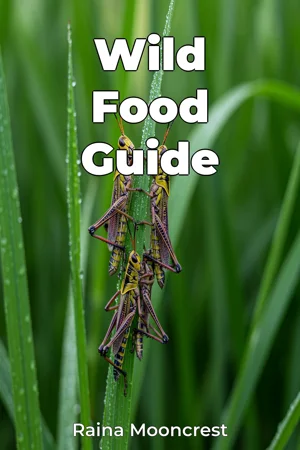
Have you ever considered what you would eat if your survival depended on your knowledge of the natural world? *Wild Food Guide* provides a comprehensive introduction to identifying and preparing edible plants and insects, drawing upon extensive botanical and survival research to equip readers with practical knowledge for foraging and survival scenarios. This book bridges the gap between theoretical knowledge and real-world application, focusing on readily available resources and safe consumption guidelines. The book explores two central themes: botanical identification of edible plants and entomophagy, the practice of eating insects. Understanding these concepts is crucial not only for emergency survival but also for appreciating the diverse food sources available in our ecosystems. Furthermore, the book emphasizes sustainable foraging practices, ensuring that readers can utilize these resources responsibly without harming the environment. Throughout history, humans have relied on wild plants and insects for sustenance. Indigenous cultures possess profound knowledge of local flora and fauna, often utilizing resources in ways that are both sustainable and nutritionally beneficial. Modern survival techniques often incorporate these traditional practices, supplemented by scientific understanding of plant and insect nutritional content and potential toxicity. *Wild Food Guide* synthesizes this historical knowledge with contemporary research, providing a balanced perspective on foraging and entomophagy. The central argument of *Wild Food Guide* is that a foundational understanding of edible plants and insects empowers individuals with resilience and self-sufficiency. This knowledge reduces dependence on conventional food systems and fosters a deeper connection with the natural world. The book asserts that this understanding is not merely a survival skill but a valuable asset for anyone interested in sustainable living and ecological awareness. *Wild Food Guide* begins with an introduction to basic botanical terminology and principles of plant identification. It then delves into specific plant families and species, highlighting key identifying features, habitat preferences, and potential look-alikes to avoid. Following the plant section, the book shifts its focus to entomophagy, exploring the nutritional benefits of insects and safe harvesting and preparation methods. Detailed descriptions and illustrations are provided for common edible insect species. The culmination of the book lies in its practical scenarios, offering guidance on how to apply the learned knowledge in various survival situations. Appendices include seasonal foraging calendars, toxicity charts, and recipes for both plant-based and insect-based meals. The evidence presented in *Wild Food Guide* is grounded in peer-reviewed botanical literature, entomological studies, and documented survival research. Plant identifications are supported by detailed morphological descriptions and high-quality photographs. Insect edibility claims are backed by nutritional analyses and safety guidelines established by food science researchers. Anecdotal evidence from survival experts and indigenous practices is also included, providing real-world context and practical insights. *Wild Food Guide* connects to several other fields, including botany, ecology, nutrition, and anthropology. The botanical aspects link to plant taxonomy and ecology, while the entomophagy sections connect to nutritional science and cultural anthropology. Understanding the ecological roles of both plants and insects enhances the reader's appreciation of their importance in the food web, while exploring cultural perspectives on entomophagy broadens the understanding of diverse food practices. This *Wild Food Guide* offers an innovative approach by integrating traditional knowledge with modern scientific research. Unlike many foraging guides that focus solely on plant identification, this book also includes a comprehensive section on edible insects, expanding the range of potential food sources available to the reader. The emphasis on sustainable foraging practices also sets this book apart, promoting responsible utilization of natural resources. The tone of *Wild Food Guide* is informative and accessible, aiming to provide a clear and concise presentation of complex scientific information. The writing style avoids jargon and technical language whenever possible, making the book suitable for a broad audience. Illustrations and photographs are extensively used to support the text and enhance understanding. The target audience for *Wild Food Guide* includes outdoor enthusiasts, survivalists, hikers, campers, and anyone interested in learning more about edible plants and insects. The book is also valuable for educators and students in fields such as biology, ecology, and environmental science. The book's practical focus and comprehensive coverage make it a valuable resource for both beginners and experienced foragers. As a nature guide, *Wild Food Guide* adheres to the conventions of providing accurate species identification, habitat information, and safety guidelines. It avoids sensationalism and focuses on providing reliable, evidence-based information. The scope of *Wild Food Guide* is intentionally limited to common edible plants and insects found in North American temperate regions. While the principles of plant and insect identification are applicable worldwide, the specific species covered are region-specific. This limitation allows for a more focused and detailed presentation of relevant resources. The information in *Wild Food Guide* can be applied in various real-world situations, from emergency survival to sustainable living. Readers can use the knowledge gained to identify edible plants while hiking or camping, to supplement their diet with sustainably harvested insects, or to simply gain a deeper appreciation for the natural world. The book also provides practical guidance for creating a survival kit and developing a foraging plan. While entomophagy is gaining acceptance in many parts of the world, it remains a controversial topic in some cultures. *Wild Food Guide* acknowledges these cultural sensitivities and provides a balanced perspective on the benefits and challenges of incorporating insects into the human diet.
Have you ever considered what you would eat if your survival depended on your knowledge of the natural world? *Wild Food Guide* provides a comprehensive introduction to identifying and preparing edible plants and insects, drawing upon extensive botanical and survival research to equip readers with practical knowledge for foraging and survival scenarios. This book bridges the gap between theoretical knowledge and real-world application, focusing on readily available resources and safe consumption guidelines. The book explores two central themes: botanical identification of edible plants and entomophagy, the practice of eating insects. Understanding these concepts is crucial not only for emergency survival but also for appreciating the diverse food sources available in our ecosystems. Furthermore, the book emphasizes sustainable foraging practices, ensuring that readers can utilize these resources responsibly without harming the environment. Throughout history, humans have relied on wild plants and insects for sustenance. Indigenous cultures possess profound knowledge of local flora and fauna, often utilizing resources in ways that are both sustainable and nutritionally beneficial. Modern survival techniques often incorporate these traditional practices, supplemented by scientific understanding of plant and insect nutritional content and potential toxicity. *Wild Food Guide* synthesizes this historical knowledge with contemporary research, providing a balanced perspective on foraging and entomophagy. The central argument of *Wild Food Guide* is that a foundational understanding of edible plants and insects empowers individuals with resilience and self-sufficiency. This knowledge reduces dependence on conventional food systems and fosters a deeper connection with the natural world. The book asserts that this understanding is not merely a survival skill but a valuable asset for anyone interested in sustainable living and ecological awareness. *Wild Food Guide* begins with an introduction to basic botanical terminology and principles of plant identification. It then delves into specific plant families and species, highlighting key identifying features, habitat preferences, and potential look-alikes to avoid. Following the plant section, the book shifts its focus to entomophagy, exploring the nutritional benefits of insects and safe harvesting and preparation methods. Detailed descriptions and illustrations are provided for common edible insect species. The culmination of the book lies in its practical scenarios, offering guidance on how to apply the learned knowledge in various survival situations. Appendices include seasonal foraging calendars, toxicity charts, and recipes for both plant-based and insect-based meals. The evidence presented in *Wild Food Guide* is grounded in peer-reviewed botanical literature, entomological studies, and documented survival research. Plant identifications are supported by detailed morphological descriptions and high-quality photographs. Insect edibility claims are backed by nutritional analyses and safety guidelines established by food science researchers. Anecdotal evidence from survival experts and indigenous practices is also included, providing real-world context and practical insights. *Wild Food Guide* connects to several other fields, including botany, ecology, nutrition, and anthropology. The botanical aspects link to plant taxonomy and ecology, while the entomophagy sections connect to nutritional science and cultural anthropology. Understanding the ecological roles of both plants and insects enhances the reader's appreciation of their importance in the food web, while exploring cultural perspectives on entomophagy broadens the understanding of diverse food practices. This *Wild Food Guide* offers an innovative approach by integrating traditional knowledge with modern scientific research. Unlike many foraging guides that focus solely on plant identification, this book also includes a comprehensive section on edible insects, expanding the range of potential food sources available to the reader. The emphasis on sustainable foraging practices also sets this book apart, promoting responsible utilization of natural resources. The tone of *Wild Food Guide* is informative and accessible, aiming to provide a clear and concise presentation of complex scientific information. The writing style avoids jargon and technical language whenever possible, making the book suitable for a broad audience. Illustrations and photographs are extensively used to support the text and enhance understanding. The target audience for *Wild Food Guide* includes outdoor enthusiasts, survivalists, hikers, campers, and anyone interested in learning more about edible plants and insects. The book is also valuable for educators and students in fields such as biology, ecology, and environmental science. The book's practical focus and comprehensive coverage make it a valuable resource for both beginners and experienced foragers. As a nature guide, *Wild Food Guide* adheres to the conventions of providing accurate species identification, habitat information, and safety guidelines. It avoids sensationalism and focuses on providing reliable, evidence-based information. The scope of *Wild Food Guide* is intentionally limited to common edible plants and insects found in North American temperate regions. While the principles of plant and insect identification are applicable worldwide, the specific species covered are region-specific. This limitation allows for a more focused and detailed presentation of relevant resources. The information in *Wild Food Guide* can be applied in various real-world situations, from emergency survival to sustainable living. Readers can use the knowledge gained to identify edible plants while hiking or camping, to supplement their diet with sustainably harvested insects, or to simply gain a deeper appreciation for the natural world. The book also provides practical guidance for creating a survival kit and developing a foraging plan. While entomophagy is gaining acceptance in many parts of the world, it remains a controversial topic in some cultures. *Wild Food Guide* acknowledges these cultural sensitivities and provides a balanced perspective on the benefits and challenges of incorporating insects into the human diet.
"Wild Food Guide" offers an engaging exploration into the world of edible plants and insects, providing practical knowledge for both survival scenarios and a deeper appreciation of nature. This comprehensive guide emphasizes botanical identification, teaching readers how to distinguish edible plants from their toxic look-alikes, a critical skill for safe foraging. Furthermore, it delves into entomophagy, the practice of eating insects, highlighting their nutritional benefits. Did you know that insects are a sustainable protein source, and some are richer in nutrients than traditional meats? The book bridges the gap between historical practices and modern science, blending traditional knowledge with contemporary research. It stresses sustainable foraging, ensuring that readers can responsibly utilize these resources without harming the environment. The guide starts with basic botanical terms and plant identification, progresses to specific species, and then explores entomophagy, including safe harvesting methods. The "Wild Food Guide" culminates in practical survival scenarios, offering guidance on applying learned knowledge. Appendices feature seasonal foraging calendars and recipes for both plant-based and insect-based meals. By integrating traditional practices with scientific insights, this book empowers individuals with resilience, self-sufficiency, and a profound connection to the natural world.
Book Details
ISBN
9788233976729
Publisher
Publifye AS
Your Licenses
You don't own any licenses for this book
Purchase a license below to unlock this book and download the EPUB.
Purchase License
Select a tier to unlock this book
Need bulk licensing?
Contact us for enterprise agreements.