
About This Book
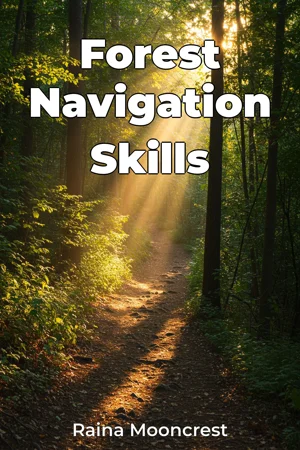
Have you ever wondered what it truly means to be lost? "Forest Navigation Skills" offers not just a way to avoid that fate, but a deeper connection to the natural world through time-tested techniques of orientation and wayfinding. This book provides a comprehensive guide to navigating forest environments using natural indicators, basic tools, and established woodcraft practices. The exploration of these skills is important because it empowers individuals to confidently and safely explore wilderness areas, fostering self-reliance and a greater appreciation for the environment. Understanding these techniques also provides a crucial link to traditional knowledge and a deeper understanding of how humans have interacted with forests for centuries. This book draws upon a rich history of woodcraft and outdoor skills, from indigenous practices to the knowledge passed down through generations of foresters and explorers. While modern GPS technology offers convenience, this book emphasizes the inherent limitations of such reliance and underscores the importance of developing fundamental navigation skills independent of technology. A basic understanding of map reading, compass use, and natural history would be beneficial for readers, although the book is structured to accommodate beginners. The central argument of "Forest Navigation Skills" is that proficiency in natural navigation is not merely a survival skill, but a pathway to a more profound and meaningful experience in the wilderness. It advocates for a return to mindful observation and interaction with the environment, enhancing both safety and the overall quality of time spent outdoors. This argument is vital because it promotes responsible engagement with nature and encourages a deeper understanding of ecological processes. This book is structured in four parts. It begins by introducing fundamental concepts such as map and compass skills, including declination adjustment and triangulation. The second section delves into the interpretation of natural indicators, covering topics like using the sun and stars for orientation, understanding tree growth patterns, and recognizing terrain features. The third portion covers advanced techniques like constructing improvised tools for navigation and predicting weather patterns based on environmental cues. The final section focuses on practical applications, including route planning, emergency navigation strategies, and ethical considerations for wilderness travel. The book will present evidence from a variety of sources, including field studies, historical accounts of exploration, and the documented practices of experienced woodsmen and indigenous communities. Practical exercises and real-world scenarios will be integrated to reinforce learning and promote skill development. Data sources include forestry databases, historical survey records, and interviews with experts in woodcraft and survival. "Forest Navigation Skills" connects to several other fields, including geography, ecology, and anthropology. The geographical aspect is evident in the principles of mapping and terrain analysis. Ecological knowledge is crucial for interpreting natural indicators, while anthropological insights provide context for understanding how different cultures have traditionally navigated and utilized forest environments. These interdisciplinary connections enrich the book's argument by highlighting the holistic nature of navigation and its deep roots in human history and ecological understanding. This book takes a unique approach by integrating traditional woodcraft knowledge with modern scientific understanding. It emphasizes the importance of developing both technical skills and intuitive awareness, providing a balanced and comprehensive approach to forest navigation. The overall tone of the book is informative and practical, written in a clear and accessible style that avoids jargon and technical complexities while maintaining accuracy and rigor. The target audience includes outdoor enthusiasts, hikers, campers, survivalists, and anyone interested in developing a deeper connection with nature. This book is valuable to them because it provides the knowledge and skills necessary to confidently and safely navigate forest environments, fostering self-reliance and a greater appreciation for the natural world. As a non-fiction book within the 'Adventure' and 'Nature' genres, readers can expect clear, concise explanations, step-by-step instructions, and real-world examples that illustrate key concepts. The book maintains a focus on practical skills and avoids overly theoretical discussions. The scope of "Forest Navigation Skills" is limited to navigation in forest environments, excluding other biomes such as deserts or arctic regions. It focuses primarily on non-electronic methods, although it acknowledges the role of GPS technology as a supplementary tool. The information in this book can be applied in numerous real-world situations, from planning a weekend hike to responding to an unexpected emergency in the wilderness. The skills learned can also be used to enhance outdoor experiences, fostering a deeper appreciation for the natural world and promoting responsible stewardship of forest ecosystems. This book addresses some controversies surrounding land navigation, such as debates over the ethics of using technology in wilderness areas and differing opinions on the best methods for teaching navigation skills. "Forest Navigation Skills" offers a balanced perspective, acknowledging the value of both traditional and modern approaches.
Have you ever wondered what it truly means to be lost? "Forest Navigation Skills" offers not just a way to avoid that fate, but a deeper connection to the natural world through time-tested techniques of orientation and wayfinding. This book provides a comprehensive guide to navigating forest environments using natural indicators, basic tools, and established woodcraft practices. The exploration of these skills is important because it empowers individuals to confidently and safely explore wilderness areas, fostering self-reliance and a greater appreciation for the environment. Understanding these techniques also provides a crucial link to traditional knowledge and a deeper understanding of how humans have interacted with forests for centuries. This book draws upon a rich history of woodcraft and outdoor skills, from indigenous practices to the knowledge passed down through generations of foresters and explorers. While modern GPS technology offers convenience, this book emphasizes the inherent limitations of such reliance and underscores the importance of developing fundamental navigation skills independent of technology. A basic understanding of map reading, compass use, and natural history would be beneficial for readers, although the book is structured to accommodate beginners. The central argument of "Forest Navigation Skills" is that proficiency in natural navigation is not merely a survival skill, but a pathway to a more profound and meaningful experience in the wilderness. It advocates for a return to mindful observation and interaction with the environment, enhancing both safety and the overall quality of time spent outdoors. This argument is vital because it promotes responsible engagement with nature and encourages a deeper understanding of ecological processes. This book is structured in four parts. It begins by introducing fundamental concepts such as map and compass skills, including declination adjustment and triangulation. The second section delves into the interpretation of natural indicators, covering topics like using the sun and stars for orientation, understanding tree growth patterns, and recognizing terrain features. The third portion covers advanced techniques like constructing improvised tools for navigation and predicting weather patterns based on environmental cues. The final section focuses on practical applications, including route planning, emergency navigation strategies, and ethical considerations for wilderness travel. The book will present evidence from a variety of sources, including field studies, historical accounts of exploration, and the documented practices of experienced woodsmen and indigenous communities. Practical exercises and real-world scenarios will be integrated to reinforce learning and promote skill development. Data sources include forestry databases, historical survey records, and interviews with experts in woodcraft and survival. "Forest Navigation Skills" connects to several other fields, including geography, ecology, and anthropology. The geographical aspect is evident in the principles of mapping and terrain analysis. Ecological knowledge is crucial for interpreting natural indicators, while anthropological insights provide context for understanding how different cultures have traditionally navigated and utilized forest environments. These interdisciplinary connections enrich the book's argument by highlighting the holistic nature of navigation and its deep roots in human history and ecological understanding. This book takes a unique approach by integrating traditional woodcraft knowledge with modern scientific understanding. It emphasizes the importance of developing both technical skills and intuitive awareness, providing a balanced and comprehensive approach to forest navigation. The overall tone of the book is informative and practical, written in a clear and accessible style that avoids jargon and technical complexities while maintaining accuracy and rigor. The target audience includes outdoor enthusiasts, hikers, campers, survivalists, and anyone interested in developing a deeper connection with nature. This book is valuable to them because it provides the knowledge and skills necessary to confidently and safely navigate forest environments, fostering self-reliance and a greater appreciation for the natural world. As a non-fiction book within the 'Adventure' and 'Nature' genres, readers can expect clear, concise explanations, step-by-step instructions, and real-world examples that illustrate key concepts. The book maintains a focus on practical skills and avoids overly theoretical discussions. The scope of "Forest Navigation Skills" is limited to navigation in forest environments, excluding other biomes such as deserts or arctic regions. It focuses primarily on non-electronic methods, although it acknowledges the role of GPS technology as a supplementary tool. The information in this book can be applied in numerous real-world situations, from planning a weekend hike to responding to an unexpected emergency in the wilderness. The skills learned can also be used to enhance outdoor experiences, fostering a deeper appreciation for the natural world and promoting responsible stewardship of forest ecosystems. This book addresses some controversies surrounding land navigation, such as debates over the ethics of using technology in wilderness areas and differing opinions on the best methods for teaching navigation skills. "Forest Navigation Skills" offers a balanced perspective, acknowledging the value of both traditional and modern approaches.
"Forest Navigation Skills" offers a comprehensive guide to mastering wayfinding in forest environments by blending traditional woodcraft with modern understanding. It emphasizes developing self-reliance through techniques like map reading, compass use, and interpreting natural indicators, rather than solely depending on technology. The book uniquely promotes a deeper connection with nature, arguing that skillful navigation enhances both safety and the overall wilderness experience. The book teaches how to use the sun and stars for orientation, understand tree growth patterns, and recognize terrain features, linking these skills to ecological knowledge and historical practices. It progresses from fundamental map and compass skills to advanced techniques such as constructing improvised tools and predicting weather based on environmental cues. Ethical wilderness travel is also addressed. Ultimately, "Forest Navigation Skills" aims to empower outdoor enthusiasts and nature lovers to confidently explore forests, fostering a profound appreciation for the natural world and promoting responsible stewardship of forest ecosystems. It integrates practical exercises and real-world scenarios to reinforce learning, making it a valuable resource for anyone seeking a deeper understanding of forest navigation.
Book Details
ISBN
9788233976705
Publisher
Publifye AS
Your Licenses
You don't own any licenses for this book
Purchase a license below to unlock this book and download the EPUB.
Purchase License
Select a tier to unlock this book
Need bulk licensing?
Contact us for enterprise agreements.