
About This Book
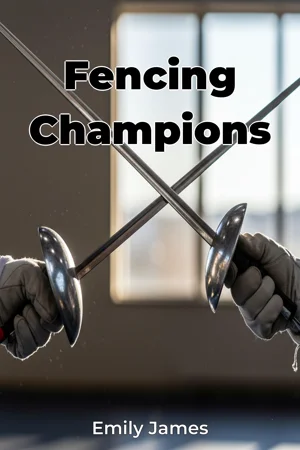
Have you ever wondered what makes a fencing champion? "Fencing Champions" delves into the rigorous training, strategic brilliance, and unwavering dedication that define the world's most accomplished fencers. This book explores not only their Olympic triumphs but also the intricate techniques and mental fortitude required to master the art of swordplay. Two key areas of focus are the evolution of fencing styles across different eras and the psychological aspects of competitive fencing, both crucial for understanding sustained success in this demanding sport. Fencing possesses a rich history, evolving from dueling traditions to a modern Olympic sport. Understanding this transition, along with the distinct characteristics of épée, foil, and sabre, is essential for appreciating the nuances of each weapon and the diverse skill sets required. "Fencing Champions" argues that mastery in fencing extends beyond physical prowess; it demands a profound understanding of tactics, anticipation, and psychological resilience. This argument is central to our exploration of what truly separates a good fencer from a champion. The book unfolds in three major sections. First, we examine the historical context of fencing, tracing its origins and development into a recognized sport. Next, we delve into the profiles of several legendary fencers, analyzing their techniques, training regimens, and competitive strategies. Each profile will provide specific examples of how these athletes overcame challenges, adapted to changing competitive landscapes, and achieved Olympic glory. Finally, we connect these individual stories to broader themes of sports psychology, biomechanics, and the science of peak performance. Our research draws upon a variety of sources, including archival footage of Olympic fencing matches, interviews with coaches and athletes, and scientific studies on the biomechanics of fencing movements. We analyze competition data to identify patterns and trends in successful strategies, providing empirical evidence to support our arguments. "Fencing Champions" offers an interdisciplinary perspective, connecting the sport to fields such as psychology (analyzing mental toughness and strategies for managing pressure), physics (understanding the mechanics of blade movement and impact), and history (tracing the evolution of fencing techniques and traditions). This approach highlights the multifaceted nature of fencing mastery. What sets this book apart is its focus on translating abstract fencing techniques into clear, accessible explanations applicable to both aspiring fencers and enthusiasts of sports strategy. Written in a style that balances scholarly rigor with engaging storytelling, "Fencing Champions" aims to appeal to a broad audience. The target readership includes fencing enthusiasts, athletes, coaches, sports historians, and anyone interested in the science of peak performance. The book's value lies in its comprehensive analysis of champion fencers and its exploration of the factors that contribute to their success. As a biography and sports book, "Fencing Champions" adheres to the conventions of thorough research, accurate portrayal of events, and engaging presentation of information. While the book covers a wide range of fencing champions, it is not exhaustive. The primary focus remains on Olympic-level fencers and those whose contributions have significantly shaped the sport. The lessons gleaned from "Fencing Champions" have real-world applications, offering insights into the importance of strategic thinking, mental resilience, and continuous improvement, skills that are transferable to various aspects of life. While the book celebrates the achievements of fencing champions, it also acknowledges ongoing debates within the sport, such as the role of technology in officiating and the evolving strategies employed by fencers across different generations. By addressing these debates, "Fencing Champions" offers a nuanced and comprehensive perspective on the world of competitive fencing.
Have you ever wondered what makes a fencing champion? "Fencing Champions" delves into the rigorous training, strategic brilliance, and unwavering dedication that define the world's most accomplished fencers. This book explores not only their Olympic triumphs but also the intricate techniques and mental fortitude required to master the art of swordplay. Two key areas of focus are the evolution of fencing styles across different eras and the psychological aspects of competitive fencing, both crucial for understanding sustained success in this demanding sport. Fencing possesses a rich history, evolving from dueling traditions to a modern Olympic sport. Understanding this transition, along with the distinct characteristics of épée, foil, and sabre, is essential for appreciating the nuances of each weapon and the diverse skill sets required. "Fencing Champions" argues that mastery in fencing extends beyond physical prowess; it demands a profound understanding of tactics, anticipation, and psychological resilience. This argument is central to our exploration of what truly separates a good fencer from a champion. The book unfolds in three major sections. First, we examine the historical context of fencing, tracing its origins and development into a recognized sport. Next, we delve into the profiles of several legendary fencers, analyzing their techniques, training regimens, and competitive strategies. Each profile will provide specific examples of how these athletes overcame challenges, adapted to changing competitive landscapes, and achieved Olympic glory. Finally, we connect these individual stories to broader themes of sports psychology, biomechanics, and the science of peak performance. Our research draws upon a variety of sources, including archival footage of Olympic fencing matches, interviews with coaches and athletes, and scientific studies on the biomechanics of fencing movements. We analyze competition data to identify patterns and trends in successful strategies, providing empirical evidence to support our arguments. "Fencing Champions" offers an interdisciplinary perspective, connecting the sport to fields such as psychology (analyzing mental toughness and strategies for managing pressure), physics (understanding the mechanics of blade movement and impact), and history (tracing the evolution of fencing techniques and traditions). This approach highlights the multifaceted nature of fencing mastery. What sets this book apart is its focus on translating abstract fencing techniques into clear, accessible explanations applicable to both aspiring fencers and enthusiasts of sports strategy. Written in a style that balances scholarly rigor with engaging storytelling, "Fencing Champions" aims to appeal to a broad audience. The target readership includes fencing enthusiasts, athletes, coaches, sports historians, and anyone interested in the science of peak performance. The book's value lies in its comprehensive analysis of champion fencers and its exploration of the factors that contribute to their success. As a biography and sports book, "Fencing Champions" adheres to the conventions of thorough research, accurate portrayal of events, and engaging presentation of information. While the book covers a wide range of fencing champions, it is not exhaustive. The primary focus remains on Olympic-level fencers and those whose contributions have significantly shaped the sport. The lessons gleaned from "Fencing Champions" have real-world applications, offering insights into the importance of strategic thinking, mental resilience, and continuous improvement, skills that are transferable to various aspects of life. While the book celebrates the achievements of fencing champions, it also acknowledges ongoing debates within the sport, such as the role of technology in officiating and the evolving strategies employed by fencers across different generations. By addressing these debates, "Fencing Champions" offers a nuanced and comprehensive perspective on the world of competitive fencing.
"Fencing Champions" explores the dedication, strategy, and training behind the world's most successful fencers. It examines the evolution of fencing from its dueling origins to its modern Olympic form, highlighting the unique characteristics of épée, foil, and sabre. The book emphasizes that mastery in fencing involves not just physical skill, but also tactical intelligence, anticipation, and psychological resilience, crucial for sustained success. The book unfolds in three parts, starting with the historical context of fencing. It then profiles legendary fencers, analyzing their techniques, training, and strategies while providing examples of how they overcame challenges and achieved Olympic success. Finally, it connects these stories to broader themes like sports psychology and biomechanics. Drawing on archival footage, interviews, and scientific studies, "Fencing Champions" provides an interdisciplinary perspective, connecting the sport to psychology, physics, and history, demonstrating the multifaceted nature of fencing mastery. What sets this book apart is its ability to translate complex fencing techniques into accessible explanations, making it valuable for both aspiring fencers and sports enthusiasts. It offers insights into strategic thinking, mental fortitude and continuous improvement, skills applicable beyond the sport. The approach balances scholarly rigor with engaging storytelling, appealing to a broad audience interested in sports biography and the science of peak performance.
Book Details
ISBN
9788233976491
Publisher
Publifye AS
Your Licenses
You don't own any licenses for this book
Purchase a license below to unlock this book and download the EPUB.
Purchase License
Select a tier to unlock this book
Need bulk licensing?
Contact us for enterprise agreements.