
About This Book
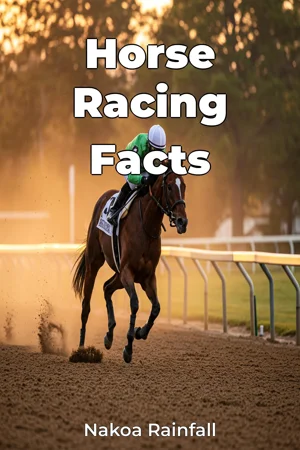
What factors transform a horse and rider into a legend? "Horse Racing Facts" unveils the captivating story of thoroughbred racing, exploring the multifaceted elements that contribute to its enduring appeal and significance. This book delves into the history, athleticism, and cultural impact of the sport, offering a complete view of its most iconic figures and pivotal moments. At its core, this book examines three central themes: the evolution of the thoroughbred breed, the strategic mastery of jockeys, and the historical races that have shaped the sport. Understanding the lineage and training of these remarkable animals is vital for appreciating their capabilities. Similarly, the tactical acumen and horsemanship of jockeys are crucial for maximizing a horse's potential. Finally, analyzing the historical context of famous races provides insight into the changing dynamics of horse racing and its reflection of societal trends. From its aristocratic origins to its modern-day form, horse racing carries a complex history. "Horse Racing Facts" traces this evolution, highlighting key milestones and technological advancements that have influenced the sport. We’ll explore the early breeding programs, the development of training techniques, and the impact of media coverage on horse racing's popularity. The central argument of this book is that horse racing's legacy is not solely based on chance or brute speed, but on the culmination of meticulous breeding, skillful riding, and the historical narratives that elevate certain races to legendary status. By examining these components, the reader will gain a more profound understanding of the sport's rich tapestry. The book is structured to provide a comprehensive overview, beginning with an introduction to the foundational principles of thoroughbred breeding and training. It then moves into a detailed examination of jockey strategies, analyzing race tactics and the psychological aspects of competition. The third section delves into the historical races themselves, dissecting the events, examining the key contenders, and considering the impact on the sport's legacy. The book concludes by exploring the current state of horse racing and considering future trends. To support its claims, "Horse Racing Facts" draws upon a range of research. The book analyzes data from historical race records, bloodline databases, jockey biographies, and contemporary sports journalism. Statistical analyses of race results, combined with qualitative assessments of jockey interviews and expert commentary, provide a rounded perspective. This book connects to other fields such as genetics (in understanding breeding), sports psychology (in analyzing jockey performance), and economic history (in examining the business of horse racing). These interdisciplinary connections enhance the book's argument by providing a broader context for understanding the sport's complexities. "Horse Racing Facts" stands out by integrating statistical analysis with historical narrative, providing a balanced and insightful view of the sport. It merges quantitative data with qualitative storytelling, creating a comprehensive account not found elsewhere. The book is written in a style that bridges the gap between academic rigor and accessible information, creating an engaging experience for the reader. It assumes no prior expertise and introduces core concepts in a clear and concise manner. This book appeals to a wide audience, including horse racing enthusiasts, sports historians, and anyone curious about the behind-the-scenes elements of this exciting sport. It offers valuable insights for casual observers and informs seasoned fans. The genre adheres to the conventions of non-fiction by presenting verifiable facts, citing sources, and aiming for objectivity. The scope of "Horse Racing Facts" primarily encompasses the history of thoroughbred racing, focusing on key races and influential figures. While it acknowledges other forms of horse racing, the book's emphasis remains on the thoroughbred breed and its role in shaping the contours of the sport. The information in this book can be applied practically by readers interested in horse ownership, breeding, or handicapping. It also provides a deeper appreciation for the sport's cultural significance and historical context. "Horse Racing Facts" directly addresses common questions, providing verified content suitable for the interested reader.
What factors transform a horse and rider into a legend? "Horse Racing Facts" unveils the captivating story of thoroughbred racing, exploring the multifaceted elements that contribute to its enduring appeal and significance. This book delves into the history, athleticism, and cultural impact of the sport, offering a complete view of its most iconic figures and pivotal moments. At its core, this book examines three central themes: the evolution of the thoroughbred breed, the strategic mastery of jockeys, and the historical races that have shaped the sport. Understanding the lineage and training of these remarkable animals is vital for appreciating their capabilities. Similarly, the tactical acumen and horsemanship of jockeys are crucial for maximizing a horse's potential. Finally, analyzing the historical context of famous races provides insight into the changing dynamics of horse racing and its reflection of societal trends. From its aristocratic origins to its modern-day form, horse racing carries a complex history. "Horse Racing Facts" traces this evolution, highlighting key milestones and technological advancements that have influenced the sport. We’ll explore the early breeding programs, the development of training techniques, and the impact of media coverage on horse racing's popularity. The central argument of this book is that horse racing's legacy is not solely based on chance or brute speed, but on the culmination of meticulous breeding, skillful riding, and the historical narratives that elevate certain races to legendary status. By examining these components, the reader will gain a more profound understanding of the sport's rich tapestry. The book is structured to provide a comprehensive overview, beginning with an introduction to the foundational principles of thoroughbred breeding and training. It then moves into a detailed examination of jockey strategies, analyzing race tactics and the psychological aspects of competition. The third section delves into the historical races themselves, dissecting the events, examining the key contenders, and considering the impact on the sport's legacy. The book concludes by exploring the current state of horse racing and considering future trends. To support its claims, "Horse Racing Facts" draws upon a range of research. The book analyzes data from historical race records, bloodline databases, jockey biographies, and contemporary sports journalism. Statistical analyses of race results, combined with qualitative assessments of jockey interviews and expert commentary, provide a rounded perspective. This book connects to other fields such as genetics (in understanding breeding), sports psychology (in analyzing jockey performance), and economic history (in examining the business of horse racing). These interdisciplinary connections enhance the book's argument by providing a broader context for understanding the sport's complexities. "Horse Racing Facts" stands out by integrating statistical analysis with historical narrative, providing a balanced and insightful view of the sport. It merges quantitative data with qualitative storytelling, creating a comprehensive account not found elsewhere. The book is written in a style that bridges the gap between academic rigor and accessible information, creating an engaging experience for the reader. It assumes no prior expertise and introduces core concepts in a clear and concise manner. This book appeals to a wide audience, including horse racing enthusiasts, sports historians, and anyone curious about the behind-the-scenes elements of this exciting sport. It offers valuable insights for casual observers and informs seasoned fans. The genre adheres to the conventions of non-fiction by presenting verifiable facts, citing sources, and aiming for objectivity. The scope of "Horse Racing Facts" primarily encompasses the history of thoroughbred racing, focusing on key races and influential figures. While it acknowledges other forms of horse racing, the book's emphasis remains on the thoroughbred breed and its role in shaping the contours of the sport. The information in this book can be applied practically by readers interested in horse ownership, breeding, or handicapping. It also provides a deeper appreciation for the sport's cultural significance and historical context. "Horse Racing Facts" directly addresses common questions, providing verified content suitable for the interested reader.
"Horse Racing Facts" explores the rich history of thoroughbred racing, revealing the key elements that have shaped this exciting sport. From the meticulous breeding programs that produce these incredible animals to the strategic brilliance of jockeys, the book uncovers the multifaceted aspects of horse racing. Did you know that the lineage of a horse is vital in determining its racing capabilities, and that a jockey's tactical acumen can significantly influence a horse's performance? The book examines the evolution of horse racing, highlighting key milestones and the impact of technology. By delving into historical races and analyzing statistical data, "Horse Racing Facts" provides a balanced view, merging quantitative data with qualitative storytelling. It progresses from the fundamentals of breeding and training, through jockey strategies, to the analysis of historical races, concluding with a look at the sport's current state and future trends. This comprehensive approach offers valuable insights for both casual observers and seasoned fans.
Book Details
ISBN
9788233976439
Publisher
Publifye AS
Your Licenses
You don't own any licenses for this book
Purchase a license below to unlock this book and download the EPUB.
Purchase License
Select a tier to unlock this book
Need bulk licensing?
Contact us for enterprise agreements.