
About This Book
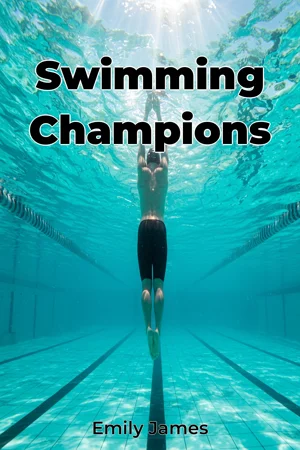
What separates a good swimmer from an Olympic champion, a name etched forever in the annals of sporting history? "Swimming Champions" delves into the lives and careers of the athletes who not only dominated Olympic pools but reshaped the very landscape of competitive swimming. This book explores the confluence of talent, training, and tenacity that propelled these individuals to greatness, examining their impact on technique, strategy, and the global perception of the sport. This book hinges on three key areas. First, it provides detailed biographies of swimming's most influential figures, tracing their journeys from novice competitors to record-breaking Olympians. Second, it analyzes the evolution of swimming techniques and training methodologies, showcasing how these champions pioneered innovative approaches that are still employed today. Third, it examines the socio-political context surrounding these athletes' achievements, illustrating how their victories transcended sport and became symbols of national pride and cultural significance. These topics are important because they illuminate the dedication, innovation, and impact of these athletes. Understanding the historical progression of swimming is crucial. The book traces the sport from its amateur beginnings to its current professional status. It also provides information on the development of swimming equipment, from early swimsuits to the high-tech apparel of today. No prior knowledge of swimming or the Olympics is required, as the book explains all necessary terminology and provides clear historical context. The central argument of "Swimming Champions" is that the individuals profiled in this book represent more than just athletic prowess; they embodied paradigm shifts in swimming, pushing the boundaries of human achievement and forever altering the sport's trajectory. This argument is important because it highlights the lasting legacy of these champions and their enduring influence on future generations of swimmers. The book is structured to systematically explore these themes. It begins with an introduction to the early pioneers of competitive swimming, profiling athletes like Johnny Weissmuller and Gertrude Ederle. It then transitions into an analysis of the mid-20th century, covering legends such as Mark Spitz and Dawn Fraser, whose achievements captivated global audiences. The book culminates with an examination of contemporary champions like Michael Phelps and Katie Ledecky, exploring the cutting-edge training techniques and scientific advancements that have contributed to their success. Each chapter will focus on a unique era or theme in swimming history. The narrative is supported by a wealth of evidence, including archival footage, race statistics, interviews with swimmers and coaches, and scientific studies on hydrodynamics and biomechanics. Unique data sources include rarely seen photographs and personal anecdotes from family members and teammates, providing a comprehensive and intimate portrayal of these champions. "Swimming Champions" connects to several adjacent fields. Sports psychology is explored in relation to mental fortitude and peak performance. Biomechanics is crucial to appreciate the efficiencies unlocked with new techniques. A historical lens allows placing accomplishments within social and political landscapes. These connections enrich the book's arguments by providing multiple dimensions to the athletes’ achievements. This book distinguishes itself through its comprehensive analysis and compelling narrative style. It combines rigorous research with engaging storytelling, offering readers a deep understanding of swimming's evolution and the individuals who shaped it. The tone of the book is informative yet accessible, blending scholarly analysis with engaging narrative to appeal to a broad audience. The writing style balances technical details with human-interest stories, ensuring that the content remains engaging and understandable for both casual readers and serious swimming enthusiasts. The target audience includes swimming enthusiasts, sports historians, aspiring athletes, and anyone interested in tales of human achievement. This book would be valuable to them because it provides a comprehensive and insightful look into the lives and accomplishments of swimming's greatest champions, offering inspiration and a deeper appreciation for the sport. As a work of sports biography, "Swimming Champions" adheres to the conventions of the genre by providing detailed accounts of athletes' lives, training, and achievements. It also incorporates elements of sports history, tracing the evolution of swimming techniques and the impact of these champions on the sport's development. The scope of "Swimming Champions" encompasses the major figures and turning points in competitive swimming history, primarily focusing on Olympic champions and world record holders. However, the book does not delve into every swimmer who has achieved success at the national or regional level. The book concentrates on individual accomplishments while acknowledging the importance of team dynamics. The information in this book can be applied practically by aspiring swimmers and coaches who seek to learn from the techniques, strategies, and mental approaches of swimming's greatest champions. It also provides valuable insights for sports historians and researchers interested in the evolution of competitive swimming. While the book celebrates the accomplishments of swimming champions, it also acknowledges ongoing discussions surrounding issues such as performance-enhancing drugs and the impact of technology on the sport, offering a balanced and nuanced perspective on these complex issues.
What separates a good swimmer from an Olympic champion, a name etched forever in the annals of sporting history? "Swimming Champions" delves into the lives and careers of the athletes who not only dominated Olympic pools but reshaped the very landscape of competitive swimming. This book explores the confluence of talent, training, and tenacity that propelled these individuals to greatness, examining their impact on technique, strategy, and the global perception of the sport. This book hinges on three key areas. First, it provides detailed biographies of swimming's most influential figures, tracing their journeys from novice competitors to record-breaking Olympians. Second, it analyzes the evolution of swimming techniques and training methodologies, showcasing how these champions pioneered innovative approaches that are still employed today. Third, it examines the socio-political context surrounding these athletes' achievements, illustrating how their victories transcended sport and became symbols of national pride and cultural significance. These topics are important because they illuminate the dedication, innovation, and impact of these athletes. Understanding the historical progression of swimming is crucial. The book traces the sport from its amateur beginnings to its current professional status. It also provides information on the development of swimming equipment, from early swimsuits to the high-tech apparel of today. No prior knowledge of swimming or the Olympics is required, as the book explains all necessary terminology and provides clear historical context. The central argument of "Swimming Champions" is that the individuals profiled in this book represent more than just athletic prowess; they embodied paradigm shifts in swimming, pushing the boundaries of human achievement and forever altering the sport's trajectory. This argument is important because it highlights the lasting legacy of these champions and their enduring influence on future generations of swimmers. The book is structured to systematically explore these themes. It begins with an introduction to the early pioneers of competitive swimming, profiling athletes like Johnny Weissmuller and Gertrude Ederle. It then transitions into an analysis of the mid-20th century, covering legends such as Mark Spitz and Dawn Fraser, whose achievements captivated global audiences. The book culminates with an examination of contemporary champions like Michael Phelps and Katie Ledecky, exploring the cutting-edge training techniques and scientific advancements that have contributed to their success. Each chapter will focus on a unique era or theme in swimming history. The narrative is supported by a wealth of evidence, including archival footage, race statistics, interviews with swimmers and coaches, and scientific studies on hydrodynamics and biomechanics. Unique data sources include rarely seen photographs and personal anecdotes from family members and teammates, providing a comprehensive and intimate portrayal of these champions. "Swimming Champions" connects to several adjacent fields. Sports psychology is explored in relation to mental fortitude and peak performance. Biomechanics is crucial to appreciate the efficiencies unlocked with new techniques. A historical lens allows placing accomplishments within social and political landscapes. These connections enrich the book's arguments by providing multiple dimensions to the athletes’ achievements. This book distinguishes itself through its comprehensive analysis and compelling narrative style. It combines rigorous research with engaging storytelling, offering readers a deep understanding of swimming's evolution and the individuals who shaped it. The tone of the book is informative yet accessible, blending scholarly analysis with engaging narrative to appeal to a broad audience. The writing style balances technical details with human-interest stories, ensuring that the content remains engaging and understandable for both casual readers and serious swimming enthusiasts. The target audience includes swimming enthusiasts, sports historians, aspiring athletes, and anyone interested in tales of human achievement. This book would be valuable to them because it provides a comprehensive and insightful look into the lives and accomplishments of swimming's greatest champions, offering inspiration and a deeper appreciation for the sport. As a work of sports biography, "Swimming Champions" adheres to the conventions of the genre by providing detailed accounts of athletes' lives, training, and achievements. It also incorporates elements of sports history, tracing the evolution of swimming techniques and the impact of these champions on the sport's development. The scope of "Swimming Champions" encompasses the major figures and turning points in competitive swimming history, primarily focusing on Olympic champions and world record holders. However, the book does not delve into every swimmer who has achieved success at the national or regional level. The book concentrates on individual accomplishments while acknowledging the importance of team dynamics. The information in this book can be applied practically by aspiring swimmers and coaches who seek to learn from the techniques, strategies, and mental approaches of swimming's greatest champions. It also provides valuable insights for sports historians and researchers interested in the evolution of competitive swimming. While the book celebrates the accomplishments of swimming champions, it also acknowledges ongoing discussions surrounding issues such as performance-enhancing drugs and the impact of technology on the sport, offering a balanced and nuanced perspective on these complex issues.
"Swimming Champions" explores the extraordinary lives and careers of swimming's most dominant Olympic champions, revealing the dedication, innovation, and impact that propelled them to greatness. The book analyzes the evolution of swimming techniques, showcasing how these athletes pioneered innovative approaches still used today. Intriguing is the fact that these champions didn't just break records, they often became symbols of national pride and cultural significance. The book journeys from the sport’s amateur beginnings with pioneers like Johnny Weissmuller, to mid-century legends like Mark Spitz and Dawn Fraser, whose achievements captivated global audiences. It culminates with contemporary champions such as Michael Phelps and Katie Ledecky, exploring the cutting-edge training and scientific advancements that contribute to their success. This systematic approach provides a comprehensive view of swimming history. By combining rigorous research with engaging storytelling, "Swimming Champions" distinguishes itself by offering readers a deep understanding of swimming's evolution and the individuals who shaped it. The book is structured to systematically explore these themes, with each chapter focusing on a unique era or theme in swimming history.
Book Details
ISBN
9788233976385
Publisher
Publifye AS
Your Licenses
You don't own any licenses for this book
Purchase a license below to unlock this book and download the EPUB.
Purchase License
Select a tier to unlock this book
Need bulk licensing?
Contact us for enterprise agreements.