
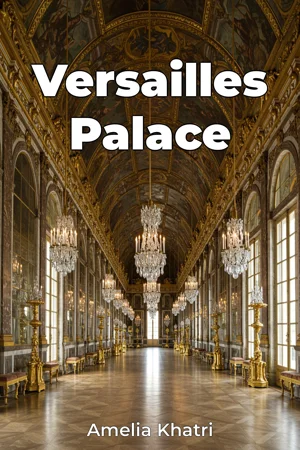
About This Book
Have you ever wondered how a single building could encapsulate the fate of a nation and the artistic sensibilities of an era? *Versailles Palace* delves into the heart of this question, exploring the architectural marvel, political instrument, and cultural symbol that is the Palace of Versailles. The book examines the palace as a physical embodiment of French absolutism, a canvas for artistic innovation, and a stage for pivotal moments in European history. Understanding these facets is crucial for grasping the complex interplay between power, art, and society in pre-revolutionary France and beyond. This book provides a comprehensive account of the Palace of Versailles, beginning with its origins as a humble hunting lodge under Louis XIII to its transformation into the opulent royal residence of Louis XIV and subsequent monarchs. It meticulously traces the architectural evolution of the palace, highlighting the contributions of key figures like Louis Le Vau, Jules Hardouin-Mansart, and André Le Nôtre. The narrative situates Versailles within the broader context of 17th- and 18th-century French society, explaining how the palace served as a tool for consolidating royal power, controlling the aristocracy, and projecting an image of unparalleled grandeur. The central argument of *Versailles Palace* is that the palace is more than just a building; it is a carefully constructed representation of power and artistic vision, reflecting the ambitions and ideologies of the French monarchy. This argument is supported by a multi-faceted approach, drawing upon architectural analysis, historical documents (letters, memoirs, official records), and artistic interpretations to reveal the intricate layers of meaning embedded within the palace's design and function. The book is structured chronologically and thematically. It begins with an overview of the pre-Versailles era, setting the stage for understanding Louis XIV's motivations for transforming the site. Chapters then explore the key phases of construction and decoration, focusing on specific areas such as the Hall of Mirrors, the Royal Apartments, and the gardens. Later sections examine the daily life of the court, the political intrigues that unfolded within the palace walls, and the impact of the French Revolution on Versailles. The book culminates with an assessment of Versailles' legacy as a museum, a tourist destination, and a symbol of French cultural heritage. Evidence presented includes detailed architectural plans, inventories of furnishings and artworks, excerpts from contemporary accounts, and analyses of the symbolic meanings embedded in the palace's iconography. The book connects to fields such as art history, political science, and social history, illustrating how Versailles served as a microcosm of French society and a reflection of broader European trends. It offers a unique perspective by considering not only the perspectives of the monarchs and architects but also the experiences of courtiers, servants, and visitors. The tone of the book is scholarly yet accessible, aiming to engage both academic readers and general audiences interested in history, architecture, and French culture. It is intended for students, researchers, tourists, and anyone seeking a deeper understanding of this iconic landmark. The scope of the book is limited to the Palace of Versailles itself and its direct historical context, focusing primarily on the period from the 17th century to the French Revolution. While it acknowledges the palace's subsequent history and restoration efforts, these aspects are not its primary focus. *Versailles Palace* also explores the real-world implications of studying Versailles, demonstrating how its design principles and political strategies continue to influence architecture, urban planning, and political symbolism today. By understanding the mechanisms of power and representation employed at Versailles, readers can gain insights into contemporary issues related to governance, public image, and cultural identity. The book acknowledges ongoing debates surrounding the historical interpretation of Versailles, such as the degree to which the palace truly represented the will of the people and the ethical implications of its construction and maintenance.
Have you ever wondered how a single building could encapsulate the fate of a nation and the artistic sensibilities of an era? *Versailles Palace* delves into the heart of this question, exploring the architectural marvel, political instrument, and cultural symbol that is the Palace of Versailles. The book examines the palace as a physical embodiment of French absolutism, a canvas for artistic innovation, and a stage for pivotal moments in European history. Understanding these facets is crucial for grasping the complex interplay between power, art, and society in pre-revolutionary France and beyond. This book provides a comprehensive account of the Palace of Versailles, beginning with its origins as a humble hunting lodge under Louis XIII to its transformation into the opulent royal residence of Louis XIV and subsequent monarchs. It meticulously traces the architectural evolution of the palace, highlighting the contributions of key figures like Louis Le Vau, Jules Hardouin-Mansart, and André Le Nôtre. The narrative situates Versailles within the broader context of 17th- and 18th-century French society, explaining how the palace served as a tool for consolidating royal power, controlling the aristocracy, and projecting an image of unparalleled grandeur. The central argument of *Versailles Palace* is that the palace is more than just a building; it is a carefully constructed representation of power and artistic vision, reflecting the ambitions and ideologies of the French monarchy. This argument is supported by a multi-faceted approach, drawing upon architectural analysis, historical documents (letters, memoirs, official records), and artistic interpretations to reveal the intricate layers of meaning embedded within the palace's design and function. The book is structured chronologically and thematically. It begins with an overview of the pre-Versailles era, setting the stage for understanding Louis XIV's motivations for transforming the site. Chapters then explore the key phases of construction and decoration, focusing on specific areas such as the Hall of Mirrors, the Royal Apartments, and the gardens. Later sections examine the daily life of the court, the political intrigues that unfolded within the palace walls, and the impact of the French Revolution on Versailles. The book culminates with an assessment of Versailles' legacy as a museum, a tourist destination, and a symbol of French cultural heritage. Evidence presented includes detailed architectural plans, inventories of furnishings and artworks, excerpts from contemporary accounts, and analyses of the symbolic meanings embedded in the palace's iconography. The book connects to fields such as art history, political science, and social history, illustrating how Versailles served as a microcosm of French society and a reflection of broader European trends. It offers a unique perspective by considering not only the perspectives of the monarchs and architects but also the experiences of courtiers, servants, and visitors. The tone of the book is scholarly yet accessible, aiming to engage both academic readers and general audiences interested in history, architecture, and French culture. It is intended for students, researchers, tourists, and anyone seeking a deeper understanding of this iconic landmark. The scope of the book is limited to the Palace of Versailles itself and its direct historical context, focusing primarily on the period from the 17th century to the French Revolution. While it acknowledges the palace's subsequent history and restoration efforts, these aspects are not its primary focus. *Versailles Palace* also explores the real-world implications of studying Versailles, demonstrating how its design principles and political strategies continue to influence architecture, urban planning, and political symbolism today. By understanding the mechanisms of power and representation employed at Versailles, readers can gain insights into contemporary issues related to governance, public image, and cultural identity. The book acknowledges ongoing debates surrounding the historical interpretation of Versailles, such as the degree to which the palace truly represented the will of the people and the ethical implications of its construction and maintenance.
"Versailles Palace" unveils the story of this iconic structure as more than just architecture; it's a symbol of French absolutism, artistic ambition, and a stage for European history. Delving into its origins as Louis XIII's hunting lodge, the book traces its transformation into the lavish royal residence under Louis XIV, highlighting the architectural genius of figures like Le Vau and Hardouin-Mansart. One intriguing aspect is how Versailles served as a tool to control the French aristocracy, projecting an image of unparalleled grandeur and solidifying royal power. The book reveals the intricate interplay between power, art, and society in pre-revolutionary France. The book uses a chronological and thematic approach. Starting with the pre-Versailles era, it progresses through key construction phases, spotlighting iconic areas such as the Hall of Mirrors and the Royal Apartments, before examining court life and political intrigues. "Versailles Palace" also explores the palace's lasting impact as a museum and symbol of French cultural heritage. By examining architectural plans, historical documents, and artistic interpretations, the book offers a multifaceted view of Versailles, making it valuable for anyone interested in history, architecture, and French culture.
Book Details
ISBN
9788233976200
Publisher
Publifye AS
Your Licenses
You don't own any licenses for this book
Purchase a license below to unlock this book and download the EPUB.
Purchase License
Select a tier to unlock this book
Need bulk licensing?
Contact us for enterprise agreements.