
About This Book
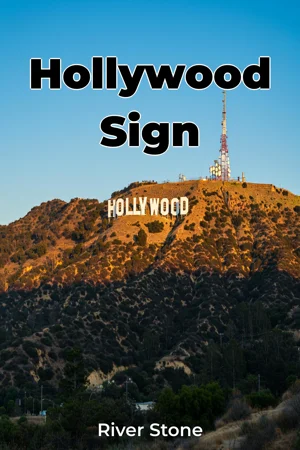
Have you ever wondered how a simple advertisement became a global symbol of dreams and ambition? This book, "Hollywood Sign," delves into the captivating history of one of the world's most recognizable landmarks, tracing its evolution from a temporary real estate promotion to an enduring emblem of the entertainment industry. This exploration focuses on three key aspects. First, it examines the sign's origins in 1923 as a billboard for the Hollywoodland housing development, revealing the initial motivations and intentions behind its construction. Second, it charts the sign's transformation through periods of disrepair, neglect, and eventual restoration, highlighting the community efforts and financial investments that secured its survival. Finally, it analyzes the sign's cultural significance, exploring its role as a visual shorthand for the promises and pitfalls of the Hollywood dream. These topics are important because they reveal the complex interplay between commerce, community, and cultural identity that shaped a global icon. The book provides the historical backdrop of Los Angeles's burgeoning real estate market in the early 20th century and the rise of the American film industry. No prior knowledge is required. The central argument of "Hollywood Sign" is that the landmark's enduring appeal lies not solely in its physical presence but in its symbolic representation of aspiration, resilience, and the ever-evolving narrative of the American Dream. This argument is significant because it challenges simplistic interpretations of the sign as merely a tourist attraction, revealing its deeper cultural resonance. The book is structured in three major parts. The first introduces the sign's creation and the context of Hollywoodland's development, including details on the sign's original design, construction, and intended lifespan. The second section details the sign's decline and near-destruction, including the factors that contributed to its deterioration, the public campaigns to save it, and the fundraising efforts that enabled its reconstruction in 1978. The third section explores the sign's modern identity, including its representation in film, television, and popular culture, as well as its role in shaping the global perception of Hollywood. The book culminates in a discussion of the sign's future and its continuing relevance in a rapidly changing world. The book relies on a variety of sources, including archival photographs, newspaper articles from the period, city planning documents, and interviews with individuals involved in the sign's preservation. Unique data sources include blueprints from the 1978 reconstruction and correspondence between the Hollywood Chamber of Commerce and donors who contributed to the restoration fund. "Hollywood Sign" also connects to broader fields of study, including urban planning, cultural geography, and media studies. Understanding how physical landmarks shape urban identity, how cultural symbols are constructed and maintained across generations, and how media representations influence public perception are all enhanced by studying the Hollywood Sign. This book offers a unique perspective by moving beyond a simple chronological history to explore the complex layers of meaning embedded in the structure. The book's tone is informative, engaging, and accessible to a broad audience. The writing style balances historical detail with compelling storytelling, aiming to entertain as well as educate. The target audience includes film buffs, history enthusiasts, Los Angeles residents, and anyone interested in the cultural significance of iconic landmarks. The book offers valuable insights into the history of Hollywood, the dynamics of urban development, and the power of cultural symbols. As a work of non-fiction, the book adheres to the genre's conventions of accuracy, objectivity, and thorough research. The book's scope is limited to the history and cultural significance of the Hollywood Sign itself, with minimal digressions into broader topics such as the history of the film industry. This laser focus allows for an in-depth exploration of the sign's multifaceted story. The information in this book can be applied practically by readers interested in urban preservation, cultural heritage management, and the power of visual communication. The book addresses ongoing discussions about the ethics of tourist infrastructure and the challenges of balancing commercial interests with community values.
Have you ever wondered how a simple advertisement became a global symbol of dreams and ambition? This book, "Hollywood Sign," delves into the captivating history of one of the world's most recognizable landmarks, tracing its evolution from a temporary real estate promotion to an enduring emblem of the entertainment industry. This exploration focuses on three key aspects. First, it examines the sign's origins in 1923 as a billboard for the Hollywoodland housing development, revealing the initial motivations and intentions behind its construction. Second, it charts the sign's transformation through periods of disrepair, neglect, and eventual restoration, highlighting the community efforts and financial investments that secured its survival. Finally, it analyzes the sign's cultural significance, exploring its role as a visual shorthand for the promises and pitfalls of the Hollywood dream. These topics are important because they reveal the complex interplay between commerce, community, and cultural identity that shaped a global icon. The book provides the historical backdrop of Los Angeles's burgeoning real estate market in the early 20th century and the rise of the American film industry. No prior knowledge is required. The central argument of "Hollywood Sign" is that the landmark's enduring appeal lies not solely in its physical presence but in its symbolic representation of aspiration, resilience, and the ever-evolving narrative of the American Dream. This argument is significant because it challenges simplistic interpretations of the sign as merely a tourist attraction, revealing its deeper cultural resonance. The book is structured in three major parts. The first introduces the sign's creation and the context of Hollywoodland's development, including details on the sign's original design, construction, and intended lifespan. The second section details the sign's decline and near-destruction, including the factors that contributed to its deterioration, the public campaigns to save it, and the fundraising efforts that enabled its reconstruction in 1978. The third section explores the sign's modern identity, including its representation in film, television, and popular culture, as well as its role in shaping the global perception of Hollywood. The book culminates in a discussion of the sign's future and its continuing relevance in a rapidly changing world. The book relies on a variety of sources, including archival photographs, newspaper articles from the period, city planning documents, and interviews with individuals involved in the sign's preservation. Unique data sources include blueprints from the 1978 reconstruction and correspondence between the Hollywood Chamber of Commerce and donors who contributed to the restoration fund. "Hollywood Sign" also connects to broader fields of study, including urban planning, cultural geography, and media studies. Understanding how physical landmarks shape urban identity, how cultural symbols are constructed and maintained across generations, and how media representations influence public perception are all enhanced by studying the Hollywood Sign. This book offers a unique perspective by moving beyond a simple chronological history to explore the complex layers of meaning embedded in the structure. The book's tone is informative, engaging, and accessible to a broad audience. The writing style balances historical detail with compelling storytelling, aiming to entertain as well as educate. The target audience includes film buffs, history enthusiasts, Los Angeles residents, and anyone interested in the cultural significance of iconic landmarks. The book offers valuable insights into the history of Hollywood, the dynamics of urban development, and the power of cultural symbols. As a work of non-fiction, the book adheres to the genre's conventions of accuracy, objectivity, and thorough research. The book's scope is limited to the history and cultural significance of the Hollywood Sign itself, with minimal digressions into broader topics such as the history of the film industry. This laser focus allows for an in-depth exploration of the sign's multifaceted story. The information in this book can be applied practically by readers interested in urban preservation, cultural heritage management, and the power of visual communication. The book addresses ongoing discussions about the ethics of tourist infrastructure and the challenges of balancing commercial interests with community values.
The "Hollywood Sign" explores the surprising history of this global icon, tracing its path from a 1923 real estate advertisement for "Hollywoodland" to a symbol of the entertainment industry. The book examines the sign's creation, near-destruction, and eventual restoration, revealing how community efforts and financial investments ensured its survival. It also analyzes the sign's cultural significance, highlighting its role as a visual representation of the American Dream and the complex interplay between commerce and cultural identity. This book uniquely moves beyond a simple history to explore the sign's deeper meanings. Did you know that the original sign was only intended to last for a year and a half? Or that its near collapse led to widespread public campaigns to save it? The book delves into archival photographs, city planning documents, and interviews to present a compelling narrative. Structured in three parts, the book first introduces the sign's origins, then details its decline and reconstruction, and finally explores its modern identity within film, television, and popular culture. Ultimately, "Hollywood Sign" provides valuable insights into urban development, cultural heritage, and the power of visual communication.
Book Details
ISBN
9788233976170
Publisher
Publifye AS
Your Licenses
You don't own any licenses for this book
Purchase a license below to unlock this book and download the EPUB.
Purchase License
Select a tier to unlock this book
Need bulk licensing?
Contact us for enterprise agreements.