
About This Book
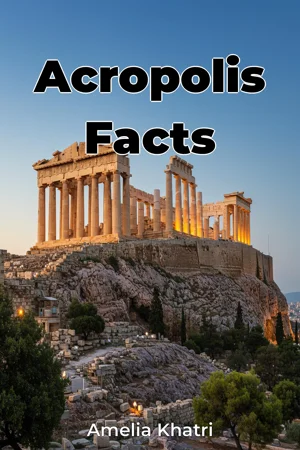
What if the stones of a ruined city could speak? *Acropolis Facts* invites you to embark on a journey through time to explore the Acropolis of Athens, not merely as a collection of ancient stones but as a vibrant testament to Greek civilization. This book delves into the architectural marvels of the Acropolis, its pivotal historical role, and its enduring influence on art, politics, and philosophy. The book primarily focuses on three key topics: the architectural evolution of the Acropolis, the religious and political significance of its temples, and its symbolic role in shaping Greek identity. These topics are crucial for understanding the Acropolis as more than just a historical site. They showcase it as a dynamic center of culture and power that reverberates through Western civilization. The reader needs no prior knowledge of classical history, while familiarity with basic concepts of architecture would enhance appreciation. The central argument of *Acropolis Facts* is that the Acropolis is a microcosm of ancient Greece, reflecting its aspirations, innovations, and its complex relationship with the divine. Its structures, particularly the Parthenon, embody the ideals of democracy, proportion, and civic pride that were central to Athenian society. The book's structure unfolds systematically. First, it introduces the geographical setting and mythical origins of the Acropolis. It then proceeds to examine the construction and function of its principal buildings, including the Parthenon, the Erechtheion, the Propylaea, and the Temple of Athena Nike. Each structure is analyzed in terms of its architectural features, purpose, and the political context of its creation. The culmination of the book explores the Acropolis' decline and its subsequent rediscovery, celebrating its lasting impact on modern architecture, art, and political thought. The book presents findings from archaeological reports, architectural surveys, and ancient literary sources. It will showcase detailed diagrams, reconstructions, and photographic evidence to support its textual analysis. *Acropolis Facts* connects to several disciplines, including archaeology, art history, and political science. By exploring the Acropolis, the readers gain insights into the material culture, political systems, and artistic achievements of ancient Greece. The book provides a comprehensive analysis of the Acropolis by combining various archaeological findings with historical resources. This book stands out by adopting an integrated approach, weaving together architectural analysis with historical context and cultural interpretation. The tone is accessible and informative, aiming to engage both scholars and general readers with an interest in ancient history and architecture. The target audience includes students of history and architecture, travelers interested in Greek antiquities, and anyone fascinated by the legacy of classical civilization. This book offers a comprehensive, fact-based account that enhances their understanding and appreciation of this iconic site. Adhering to the conventions of historical and architectural non-fiction, *Acropolis Facts* provides a meticulously researched and clearly articulated narrative supported by verifiable evidence. The scope of the book is limited to the Acropolis of Athens, excluding other acropolises. The insights from *Acropolis Facts* can be applied to various practical areas, such as urban planning, heritage conservation, and architectural design. By studying the principles of classical architecture and the integration of public spaces, readers can draw lessons for contemporary practices. The book addresses ongoing debates surrounding the restoration of the Acropolis, the interpretation of its art, and the ethics of cultural heritage management. These discussions are presented objectively to encourage critical thinking and informed decision-making.
What if the stones of a ruined city could speak? *Acropolis Facts* invites you to embark on a journey through time to explore the Acropolis of Athens, not merely as a collection of ancient stones but as a vibrant testament to Greek civilization. This book delves into the architectural marvels of the Acropolis, its pivotal historical role, and its enduring influence on art, politics, and philosophy. The book primarily focuses on three key topics: the architectural evolution of the Acropolis, the religious and political significance of its temples, and its symbolic role in shaping Greek identity. These topics are crucial for understanding the Acropolis as more than just a historical site. They showcase it as a dynamic center of culture and power that reverberates through Western civilization. The reader needs no prior knowledge of classical history, while familiarity with basic concepts of architecture would enhance appreciation. The central argument of *Acropolis Facts* is that the Acropolis is a microcosm of ancient Greece, reflecting its aspirations, innovations, and its complex relationship with the divine. Its structures, particularly the Parthenon, embody the ideals of democracy, proportion, and civic pride that were central to Athenian society. The book's structure unfolds systematically. First, it introduces the geographical setting and mythical origins of the Acropolis. It then proceeds to examine the construction and function of its principal buildings, including the Parthenon, the Erechtheion, the Propylaea, and the Temple of Athena Nike. Each structure is analyzed in terms of its architectural features, purpose, and the political context of its creation. The culmination of the book explores the Acropolis' decline and its subsequent rediscovery, celebrating its lasting impact on modern architecture, art, and political thought. The book presents findings from archaeological reports, architectural surveys, and ancient literary sources. It will showcase detailed diagrams, reconstructions, and photographic evidence to support its textual analysis. *Acropolis Facts* connects to several disciplines, including archaeology, art history, and political science. By exploring the Acropolis, the readers gain insights into the material culture, political systems, and artistic achievements of ancient Greece. The book provides a comprehensive analysis of the Acropolis by combining various archaeological findings with historical resources. This book stands out by adopting an integrated approach, weaving together architectural analysis with historical context and cultural interpretation. The tone is accessible and informative, aiming to engage both scholars and general readers with an interest in ancient history and architecture. The target audience includes students of history and architecture, travelers interested in Greek antiquities, and anyone fascinated by the legacy of classical civilization. This book offers a comprehensive, fact-based account that enhances their understanding and appreciation of this iconic site. Adhering to the conventions of historical and architectural non-fiction, *Acropolis Facts* provides a meticulously researched and clearly articulated narrative supported by verifiable evidence. The scope of the book is limited to the Acropolis of Athens, excluding other acropolises. The insights from *Acropolis Facts* can be applied to various practical areas, such as urban planning, heritage conservation, and architectural design. By studying the principles of classical architecture and the integration of public spaces, readers can draw lessons for contemporary practices. The book addresses ongoing debates surrounding the restoration of the Acropolis, the interpretation of its art, and the ethics of cultural heritage management. These discussions are presented objectively to encourage critical thinking and informed decision-making.
Explore the heart of ancient Greece with *Acropolis Facts*, a journey through Athens' iconic Acropolis. Discover how this historical site served not only as a religious center but also as a symbol of Athenian identity and power. The book unveils intriguing details, such as the Acropolis' role in shaping the ideals of democracy and civic pride, embodied particularly in the Parthenon's architectural precision and symbolic importance. This exploration delves into the Acropolis' architectural evolution, examining the religious and political significance of structures like the Erechtheion and the Temple of Athena Nike. Through archaeological findings and historical resources, the book presents a comprehensive view of the Acropolis. It highlights the site's decline and rediscovery, emphasizing its lasting impact on modern architecture and thought. The book systematically progresses from the Acropolis' mythical origins to the construction and function of its buildings. Detailed diagrams and photographic evidence support the textual analysis, making it accessible to both scholars and general readers interested in architecture and Greek history. This integrated approach combines architectural analysis with historical context, offering a valuable understanding of this crucial historical site.
Book Details
ISBN
9788233976149
Publisher
Publifye AS
Your Licenses
You don't own any licenses for this book
Purchase a license below to unlock this book and download the EPUB.
Purchase License
Select a tier to unlock this book
Need bulk licensing?
Contact us for enterprise agreements.