
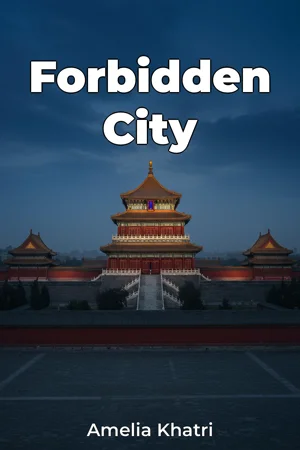
About This Book
What if the walls of the world's most iconic palace could talk? "Forbidden City" unveils the captivating story of China's imperial palace, more formally known as the Palace Museum, inviting readers on an immersive journey through centuries of political intrigue, artistic innovation, and cultural evolution. This book delves into the significance of the Forbidden City as the epicenter of Chinese power for over five centuries, a living testament to the Ming and Qing dynasties. Exploring the palace not only illuminates the lives of emperors, empresses, concubines, and eunuchs but also provides crucial insights into the complex structures of Chinese imperial governance and society. This book argues that the Forbidden City is more than just a collection of buildings; it is a meticulously designed microcosm of the Chinese empire, reflecting cosmological beliefs, social hierarchies, and artistic achievements. Understanding the Forbidden City is essential for grasping the enduring legacy of imperial China and its continued influence on modern Chinese identity. "Forbidden City" unfolds in three major parts. First, the book introduces the foundational concepts of Chinese cosmology and imperial power, explaining how the palace's design embodies the emperor's mandate of heaven and its physical layout reinforces social hierarchies. This section explores the underlying principles that shaped the Forbidden City's construction and function, including feng shui, Confucian ideals, and the symbolism embedded within the palace architecture. Then, the book ventures into the daily lives of the palace inhabitants, drawing upon historical records, memoirs, and archaeological discoveries to reconstruct the routines, rituals, and power dynamics that defined life within the Forbidden City's walls. This part will consider the roles of eunuchs, concubines, and the imperial family, revealing the intricate web of relationships that governed the palace. Finally, the book examines the Forbidden City's transformation from imperial center to a modern museum highlighting its transition provides a lens for understanding China's evolving relationship with its imperial past, including the impact of foreign influence, revolutions, and the rise of nationalism. The narrative is supported by a wealth of historical documents, architectural plans, imperial artwork, and archaeological findings. The research incorporates primary sources from the Ming and Qing dynasties, including court records, imperial edicts, and personal accounts, offering an authentic and detailed portrayal of life within the Forbidden City. "Forbidden City" connects to several interdisciplinary fields, including art history, architectural history, and political science. By examining the art and architecture of the palace, the book reveals cultural values and aesthetic preferences of the imperial court. By analyzing the palace's political structure, the book sheds light on the exercise of power and governance in imperial China. This book offers a holistic perspective on the Forbidden City, integrating cultural, social, and political dimensions. This book sets itself apart by offering a comprehensive yet accessible exploration of the Forbidden City, moving beyond a superficial description of the palace to reveal its deeper cultural and historical significance. The writing style is narrative non-fiction, aiming to engage a broad audience while maintaining scholarly accuracy. Combining vivid storytelling with rigorous research, this book presents a compelling and informative account of the Forbidden City. Targeted toward history enthusiasts, students, and anyone fascinated by Chinese culture, "Forbidden City" provides a captivating and insightful exploration of one of the world's most iconic landmarks. Given the enduring interest of Chinese history and culture, this book appeals to a wide readership eager to learn about the imperial past. The scope of "Forbidden City" focuses primarily on the physical structure and its inhabitants during Ming and Qing dynasties. While the book acknowledges the broader history of Beijing and its surrounding regions, its primary focus remains on the palace itself. The information within these pages empowers the reader with an enhanced understanding of Chinese architecture, culture and history. The insights into imperial power dynamics also present opportunities to develop comparisons with other historical empires. The book also addresses debates surrounding the Forbidden City's conservation efforts and the interpretation of its history, acknowledging the varying perspectives on how to balance preservation with modernization, and how to accurately represent the complexities of the imperial past.
What if the walls of the world's most iconic palace could talk? "Forbidden City" unveils the captivating story of China's imperial palace, more formally known as the Palace Museum, inviting readers on an immersive journey through centuries of political intrigue, artistic innovation, and cultural evolution. This book delves into the significance of the Forbidden City as the epicenter of Chinese power for over five centuries, a living testament to the Ming and Qing dynasties. Exploring the palace not only illuminates the lives of emperors, empresses, concubines, and eunuchs but also provides crucial insights into the complex structures of Chinese imperial governance and society. This book argues that the Forbidden City is more than just a collection of buildings; it is a meticulously designed microcosm of the Chinese empire, reflecting cosmological beliefs, social hierarchies, and artistic achievements. Understanding the Forbidden City is essential for grasping the enduring legacy of imperial China and its continued influence on modern Chinese identity. "Forbidden City" unfolds in three major parts. First, the book introduces the foundational concepts of Chinese cosmology and imperial power, explaining how the palace's design embodies the emperor's mandate of heaven and its physical layout reinforces social hierarchies. This section explores the underlying principles that shaped the Forbidden City's construction and function, including feng shui, Confucian ideals, and the symbolism embedded within the palace architecture. Then, the book ventures into the daily lives of the palace inhabitants, drawing upon historical records, memoirs, and archaeological discoveries to reconstruct the routines, rituals, and power dynamics that defined life within the Forbidden City's walls. This part will consider the roles of eunuchs, concubines, and the imperial family, revealing the intricate web of relationships that governed the palace. Finally, the book examines the Forbidden City's transformation from imperial center to a modern museum highlighting its transition provides a lens for understanding China's evolving relationship with its imperial past, including the impact of foreign influence, revolutions, and the rise of nationalism. The narrative is supported by a wealth of historical documents, architectural plans, imperial artwork, and archaeological findings. The research incorporates primary sources from the Ming and Qing dynasties, including court records, imperial edicts, and personal accounts, offering an authentic and detailed portrayal of life within the Forbidden City. "Forbidden City" connects to several interdisciplinary fields, including art history, architectural history, and political science. By examining the art and architecture of the palace, the book reveals cultural values and aesthetic preferences of the imperial court. By analyzing the palace's political structure, the book sheds light on the exercise of power and governance in imperial China. This book offers a holistic perspective on the Forbidden City, integrating cultural, social, and political dimensions. This book sets itself apart by offering a comprehensive yet accessible exploration of the Forbidden City, moving beyond a superficial description of the palace to reveal its deeper cultural and historical significance. The writing style is narrative non-fiction, aiming to engage a broad audience while maintaining scholarly accuracy. Combining vivid storytelling with rigorous research, this book presents a compelling and informative account of the Forbidden City. Targeted toward history enthusiasts, students, and anyone fascinated by Chinese culture, "Forbidden City" provides a captivating and insightful exploration of one of the world's most iconic landmarks. Given the enduring interest of Chinese history and culture, this book appeals to a wide readership eager to learn about the imperial past. The scope of "Forbidden City" focuses primarily on the physical structure and its inhabitants during Ming and Qing dynasties. While the book acknowledges the broader history of Beijing and its surrounding regions, its primary focus remains on the palace itself. The information within these pages empowers the reader with an enhanced understanding of Chinese architecture, culture and history. The insights into imperial power dynamics also present opportunities to develop comparisons with other historical empires. The book also addresses debates surrounding the Forbidden City's conservation efforts and the interpretation of its history, acknowledging the varying perspectives on how to balance preservation with modernization, and how to accurately represent the complexities of the imperial past.
"Forbidden City" unveils the captivating history of China's imperial palace, the Palace Museum, exploring its role as the epicenter of power for over five centuries. More than just a collection of buildings, the Forbidden City embodies Chinese cosmology, social hierarchies, and artistic achievements. The book highlights the intricate lives within its walls, from emperors and concubines to eunuchs, revealing the complex power dynamics of Imperial China. The book progresses through three sections, beginning with the foundational concepts of Chinese cosmology and imperial power, explaining how the palace's design embodies the emperor's mandate of heaven. It then ventures into the daily lives of the palace inhabitants, reconstructing their routines, rituals, and power dynamics. Finally, it examines the Forbidden City's transformation into a modern museum, providing insights into China's evolving relationship with its imperial past. This book distinguishes itself by offering a comprehensive yet accessible exploration of the Forbidden City, moving beyond superficial descriptions to reveal the palace's deeper cultural and historical significance. Understanding the Forbidden City is essential for grasping the enduring legacy of imperial China and its continued influence on modern Chinese identity.
Book Details
ISBN
9788233976040
Publisher
Publifye AS
Your Licenses
You don't own any licenses for this book
Purchase a license below to unlock this book and download the EPUB.
Purchase License
Select a tier to unlock this book
Need bulk licensing?
Contact us for enterprise agreements.