
About This Book
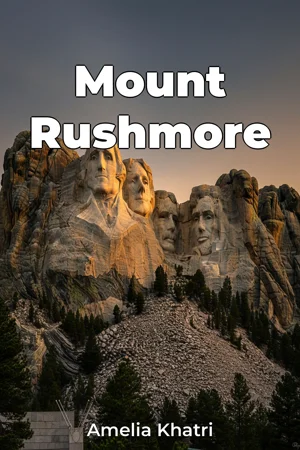
How did a colossal sculpture of four American presidents come to be carved into the face of a sacred mountain, and what is the complete story behind this iconic monument? This book, *Mount Rushmore*, delves into the complex history of this monumental project, the architectural and engineering feats required for its creation, and the multifaceted controversies that surround it to this day. Understanding Mount Rushmore requires grappling with themes of national identity, artistic vision, and the often-fraught relationship between human ambition and the natural world. This book argues that Mount Rushmore, while a symbol of American achievement and democratic ideals, is equally a testament to the fraught history of westward expansion, Native American displacement, and the complex legacy of the individuals it portrays. Examining the monument solely through the lens of national pride obscures the intricate and often conflicting narratives embedded within its creation. The book begins by exploring the initial conception of Mount Rushmore. It details how South Dakota state historian Doane Robinson sought to create a monument to draw tourism to the Black Hills. The narrative then transitions to the selection of Gutzon Borglum as the sculptor, chronicling his artistic vision and the engineering techniques employed to carve the massive sculpture. This section examines the innovative uses of dynamite and other tools, alongside the contributions of hundreds of laborers, many of whom were local miners. The core of the book focuses on each of the presidents depicted: George Washington, Thomas Jefferson, Abraham Lincoln, and Theodore Roosevelt. For each president, the book analyzes the rationale behind their inclusion, their individual contributions to American history, and the contrasting interpretations of their legacies. This segment aims to provide a balanced perspective, acknowledging both their accomplishments and the criticisms levied against them. A significant portion of the book is dedicated to the controversies surrounding Mount Rushmore. It explores the Lakota Sioux's perspective, detailing their claims to the Black Hills, which they consider sacred land stolen by the U.S. government. The book presents the history of broken treaties and the ongoing struggle for land rights, giving voice to the descendants of those who were displaced. The book draws upon archival documents, Borglum's personal papers, government reports, and oral histories from Lakota community members. It integrates architectural analysis and historical research to present a comprehensive account. "Mount Rushmore" connects to various disciplines, including American history, Native American studies, art history, and environmental studies. These interdisciplinary connections enrich the understanding of the monument's complex significance and its ongoing relevance. This book takes a nuanced approach, acknowledging the monument's significance as a symbol of American democracy while critically examining the historical context and the ethical considerations involved in its creation. Written in a clear, accessible style, this book is aimed at a broad audience interested in American history, art, architecture, and Native American issues. It will appeal to students, researchers, and anyone seeking a comprehensive understanding of this iconic monument. The book's scope is limited to the history, creation, and legacy of Mount Rushmore itself, focusing primarily on the period from the early 20th century to the present day. While it touches on broader themes of American history and Native American relations, its central focus remains on the monument and its immediate context. The information presented in this book can be applied to understanding the complexities of historical memory, the challenges of preserving cultural heritage, and the importance of acknowledging multiple perspectives when interpreting national symbols. Finally, the book addresses ongoing debates surrounding the monument, including calls for its removal or alteration, and explores alternative proposals for acknowledging Native American history and culture in the Black Hills region. By presenting different viewpoints, the book encourages readers to engage critically with the complex legacy of Mount Rushmore and its place in American society.
How did a colossal sculpture of four American presidents come to be carved into the face of a sacred mountain, and what is the complete story behind this iconic monument? This book, *Mount Rushmore*, delves into the complex history of this monumental project, the architectural and engineering feats required for its creation, and the multifaceted controversies that surround it to this day. Understanding Mount Rushmore requires grappling with themes of national identity, artistic vision, and the often-fraught relationship between human ambition and the natural world. This book argues that Mount Rushmore, while a symbol of American achievement and democratic ideals, is equally a testament to the fraught history of westward expansion, Native American displacement, and the complex legacy of the individuals it portrays. Examining the monument solely through the lens of national pride obscures the intricate and often conflicting narratives embedded within its creation. The book begins by exploring the initial conception of Mount Rushmore. It details how South Dakota state historian Doane Robinson sought to create a monument to draw tourism to the Black Hills. The narrative then transitions to the selection of Gutzon Borglum as the sculptor, chronicling his artistic vision and the engineering techniques employed to carve the massive sculpture. This section examines the innovative uses of dynamite and other tools, alongside the contributions of hundreds of laborers, many of whom were local miners. The core of the book focuses on each of the presidents depicted: George Washington, Thomas Jefferson, Abraham Lincoln, and Theodore Roosevelt. For each president, the book analyzes the rationale behind their inclusion, their individual contributions to American history, and the contrasting interpretations of their legacies. This segment aims to provide a balanced perspective, acknowledging both their accomplishments and the criticisms levied against them. A significant portion of the book is dedicated to the controversies surrounding Mount Rushmore. It explores the Lakota Sioux's perspective, detailing their claims to the Black Hills, which they consider sacred land stolen by the U.S. government. The book presents the history of broken treaties and the ongoing struggle for land rights, giving voice to the descendants of those who were displaced. The book draws upon archival documents, Borglum's personal papers, government reports, and oral histories from Lakota community members. It integrates architectural analysis and historical research to present a comprehensive account. "Mount Rushmore" connects to various disciplines, including American history, Native American studies, art history, and environmental studies. These interdisciplinary connections enrich the understanding of the monument's complex significance and its ongoing relevance. This book takes a nuanced approach, acknowledging the monument's significance as a symbol of American democracy while critically examining the historical context and the ethical considerations involved in its creation. Written in a clear, accessible style, this book is aimed at a broad audience interested in American history, art, architecture, and Native American issues. It will appeal to students, researchers, and anyone seeking a comprehensive understanding of this iconic monument. The book's scope is limited to the history, creation, and legacy of Mount Rushmore itself, focusing primarily on the period from the early 20th century to the present day. While it touches on broader themes of American history and Native American relations, its central focus remains on the monument and its immediate context. The information presented in this book can be applied to understanding the complexities of historical memory, the challenges of preserving cultural heritage, and the importance of acknowledging multiple perspectives when interpreting national symbols. Finally, the book addresses ongoing debates surrounding the monument, including calls for its removal or alteration, and explores alternative proposals for acknowledging Native American history and culture in the Black Hills region. By presenting different viewpoints, the book encourages readers to engage critically with the complex legacy of Mount Rushmore and its place in American society.
"Mount Rushmore" explores the multifaceted story behind the iconic sculpture carved into the Black Hills, examining its construction, the figures it portrays, and the controversies it embodies. The book delves into how this colossal monument, intended to draw tourism to South Dakota, became a complex symbol of American achievement intertwined with the displacement of the Lakota Sioux, who consider the Black Hills sacred land. Understanding the monument requires acknowledging both its artistic and architectural grandeur and the fraught history of westward expansion. The book examines the selection of Gutzon Borglum, the sculptor, and the innovative engineering techniques employed to carve the presidential faces, including the contributions of local miners. It dedicates significant attention to the four presidents depicted—Washington, Jefferson, Lincoln, and Roosevelt—analyzing the rationale behind their inclusion and the conflicting interpretations of their legacies. Drawing upon archival documents, personal papers, and oral histories, the book progresses from the monument's conception to its ongoing debates, offering a comprehensive account that connects American history, Native American studies, and art history. This exploration provides a nuanced perspective, acknowledging Mount Rushmore as a symbol of American democracy while critically examining its historical context and ethical considerations. By addressing ongoing debates and alternative proposals, the book encourages readers to engage critically with the complex legacy of Mount Rushmore and its place in American society, enriching the understanding of historical memory and the challenges of preserving cultural heritage.
Book Details
ISBN
9788233976033
Publisher
Publifye AS
Your Licenses
You don't own any licenses for this book
Purchase a license below to unlock this book and download the EPUB.
Purchase License
Select a tier to unlock this book
Need bulk licensing?
Contact us for enterprise agreements.