
About This Book
What secrets lie within the stones of an ancient city, whispering tales of a civilization both brilliant and enigmatic? "Chichen Itza" delves into the heart of one of the most iconic Mayan cities, exploring its monumental architecture, the sophisticated knowledge embedded within its design, and its enduring legacy on our understanding of pre-Columbian America. This book focuses on understanding Chichen Itza’s architecture in depth, the history of the people who built it and the city’s importance as a seat of power. The core focus is an analysis of the architectural marvels of Chichen Itza, notably its pyramids like El Castillo, and how their design reflected Mayan cosmology, astronomical understanding, and societal structure. Why is Chichen Itza so significant? Its unique blend of Mayan and Toltec influences distinguishes it from other Mayan sites, offering a window into a complex period of cultural exchange and political maneuvering. Furthermore, unraveling the meaning behind its architecture provides insights into the Mayan worldview and their sophisticated grasp of mathematics, astronomy, and engineering. The book offers a comprehensive historical and cultural backdrop, exploring the rise and fall of Chichen Itza within the broader context of Mayan civilization. This includes an examination of Mayan social hierarchy, religious beliefs, and their intricate calendar system, which are all essential for interpreting the symbolism found in the city's architecture. No specialized knowledge is needed to fully understand the topics, but an interest in history and archaeology will be useful. "Chichen Itza" argues that the city served as a crucial nexus of power, religion, and scientific knowledge within the Mayan world. It demonstrates how its architectural design promoted specific ideologies, social structures, and religious beliefs. Exploring this argument is vital for comprehending the complexities of Mayan society and Chichen Itza's lasting influence on subsequent Mesoamerican cultures. The book begins by introducing the main concepts of Mayan architecture, cosmology, and history. It then delves into the specifics of Chichen Itza, detailing the construction, purpose, and symbolism of key structures such as El Castillo, the Great Ball Court, and the Temple of the Warriors. Further chapters will explore specific engineering concepts, such as the structural advantages of corbel arches, and the use of specific dimensions that reflect the Mayan calendar. The final chapters synthesize these findings, offering a comprehensive interpretation of Chichen Itza as a reflection of the Maya’s intellectual achievements and societal organization. The arguments presented are supported by archaeological evidence, epigraphic studies of Mayan hieroglyphs, and comparative analysis of architectural styles across different Mayan sites. Primary sources, such as Mayan codices and inscriptions, are interpreted alongside contemporary archaeological reports and scholarly analyses. The book connects to other fields of study, including anthropology, art history, astronomy, and religious studies. These interdisciplinary connections enrich our understanding of Mayan civilization and provide a more holistic interpretation of Chichen Itza. This book offers a unique perspective by integrating archaeological findings with art historical analysis and an interpretation of Mayan cosmology. This integrated approach uncovers previously unexplored layers of meaning within the city's architecture. The writing style is accessible to a broad audience, blending scholarly rigor with engaging prose. While grounded in academic research, the book avoids jargon and presents complex concepts in a clear and understandable manner. The target audience includes history enthusiasts, archaeology buffs, students of Mesoamerican cultures, and travelers interested in learning more about Chichen Itza. This book provides valuable insights into the history, architecture, and cultural significance of this important Mayan city. As a work of history and architecture, this book adheres to the conventions of academic rigor, providing well-sourced information, clear analysis, and a balanced presentation of different perspectives. While the book focuses primarily on the architecture and cultural significance of Chichen Itza, it does not delve into recent political developments in the region or the modern tourism industry surrounding the site. The book's scope remains within the academic sphere of Mayan studies. The information presented can be practically applied by travelers visiting Chichen Itza, providing them with a deeper understanding of the site's history, architecture, and cultural importance. It can also inform educational programs about Mayan history and culture. While there is a general scholarly consensus on the overarching significance of Chichen Itza as a major Mayan center, debates persist regarding the specific dating of certain structures, the interpretation of some hieroglyphic inscriptions, and the precise nature of the relationship between the Maya and the Toltecs. These debates, where relevant, are discussed in the book.
What secrets lie within the stones of an ancient city, whispering tales of a civilization both brilliant and enigmatic? "Chichen Itza" delves into the heart of one of the most iconic Mayan cities, exploring its monumental architecture, the sophisticated knowledge embedded within its design, and its enduring legacy on our understanding of pre-Columbian America. This book focuses on understanding Chichen Itza’s architecture in depth, the history of the people who built it and the city’s importance as a seat of power. The core focus is an analysis of the architectural marvels of Chichen Itza, notably its pyramids like El Castillo, and how their design reflected Mayan cosmology, astronomical understanding, and societal structure. Why is Chichen Itza so significant? Its unique blend of Mayan and Toltec influences distinguishes it from other Mayan sites, offering a window into a complex period of cultural exchange and political maneuvering. Furthermore, unraveling the meaning behind its architecture provides insights into the Mayan worldview and their sophisticated grasp of mathematics, astronomy, and engineering. The book offers a comprehensive historical and cultural backdrop, exploring the rise and fall of Chichen Itza within the broader context of Mayan civilization. This includes an examination of Mayan social hierarchy, religious beliefs, and their intricate calendar system, which are all essential for interpreting the symbolism found in the city's architecture. No specialized knowledge is needed to fully understand the topics, but an interest in history and archaeology will be useful. "Chichen Itza" argues that the city served as a crucial nexus of power, religion, and scientific knowledge within the Mayan world. It demonstrates how its architectural design promoted specific ideologies, social structures, and religious beliefs. Exploring this argument is vital for comprehending the complexities of Mayan society and Chichen Itza's lasting influence on subsequent Mesoamerican cultures. The book begins by introducing the main concepts of Mayan architecture, cosmology, and history. It then delves into the specifics of Chichen Itza, detailing the construction, purpose, and symbolism of key structures such as El Castillo, the Great Ball Court, and the Temple of the Warriors. Further chapters will explore specific engineering concepts, such as the structural advantages of corbel arches, and the use of specific dimensions that reflect the Mayan calendar. The final chapters synthesize these findings, offering a comprehensive interpretation of Chichen Itza as a reflection of the Maya’s intellectual achievements and societal organization. The arguments presented are supported by archaeological evidence, epigraphic studies of Mayan hieroglyphs, and comparative analysis of architectural styles across different Mayan sites. Primary sources, such as Mayan codices and inscriptions, are interpreted alongside contemporary archaeological reports and scholarly analyses. The book connects to other fields of study, including anthropology, art history, astronomy, and religious studies. These interdisciplinary connections enrich our understanding of Mayan civilization and provide a more holistic interpretation of Chichen Itza. This book offers a unique perspective by integrating archaeological findings with art historical analysis and an interpretation of Mayan cosmology. This integrated approach uncovers previously unexplored layers of meaning within the city's architecture. The writing style is accessible to a broad audience, blending scholarly rigor with engaging prose. While grounded in academic research, the book avoids jargon and presents complex concepts in a clear and understandable manner. The target audience includes history enthusiasts, archaeology buffs, students of Mesoamerican cultures, and travelers interested in learning more about Chichen Itza. This book provides valuable insights into the history, architecture, and cultural significance of this important Mayan city. As a work of history and architecture, this book adheres to the conventions of academic rigor, providing well-sourced information, clear analysis, and a balanced presentation of different perspectives. While the book focuses primarily on the architecture and cultural significance of Chichen Itza, it does not delve into recent political developments in the region or the modern tourism industry surrounding the site. The book's scope remains within the academic sphere of Mayan studies. The information presented can be practically applied by travelers visiting Chichen Itza, providing them with a deeper understanding of the site's history, architecture, and cultural importance. It can also inform educational programs about Mayan history and culture. While there is a general scholarly consensus on the overarching significance of Chichen Itza as a major Mayan center, debates persist regarding the specific dating of certain structures, the interpretation of some hieroglyphic inscriptions, and the precise nature of the relationship between the Maya and the Toltecs. These debates, where relevant, are discussed in the book.
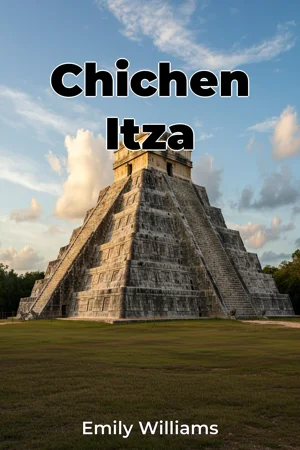
"Chichen Itza" explores the history, architecture, and cultural significance of this renowned Mayan city. The book unveils how the city's monumental structures, like El Castillo, reflect Mayan cosmology and astronomical knowledge. It highlights Chichen Itza's unique blend of Mayan and Toltec influences, setting it apart from other Mayan sites and offering insights into a period of cultural exchange. Unraveling the meaning behind its architecture provides a window into the Mayan worldview and their sophisticated understanding of mathematics and engineering. The book adopts a comprehensive approach, integrating archaeological findings with art historical analysis to uncover deeper layers of meaning within the city's architecture. It begins by laying the groundwork with introductions to Mayan architecture, cosmology, and history. Subsequent chapters delve into structures like the Great Ball Court and the Temple of Warriors, exploring specific engineering concepts such as the structural advantages of corbel arches. The book argues that Chichen Itza served as a nexus of power, religion, and scientific knowledge. The final chapters synthesize these findings, presenting a comprehensive interpretation of Chichen Itza as a reflection of the Maya’s intellectual achievements and societal organization. Supported by archaeological evidence and epigraphic studies, this book offers valuable insights for history enthusiasts, archaeology buffs, and anyone interested in understanding the lasting legacy of Chichen Itza and the Mayan civilization.
Book Details
ISBN
9788233976026
Publisher
Publifye AS
Your Licenses
You don't own any licenses for this book
Purchase a license below to unlock this book and download the EPUB.
Purchase License
Select a tier to unlock this book
Need bulk licensing?
Contact us for enterprise agreements.