
About This Book
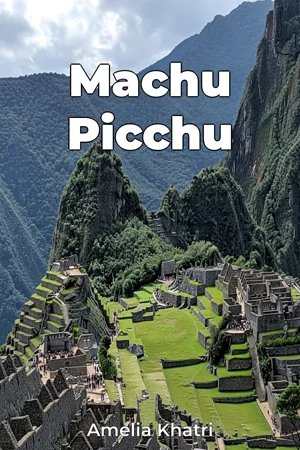
What secrets lie hidden within the stones of Machu Picchu, the iconic Incan city perched high in the Andes Mountains? This book, *Machu Picchu*, delves into the history, construction, and enduring mystery of this remarkable site, exploring its significance as a testament to Incan ingenuity and its cultural importance in the modern world. Its narrative weaves together archaeological evidence, historical accounts, and geographical analysis to provide a comprehensive understanding of Machu Picchu's place in history. The book addresses several key topics: the construction and purpose of Machu Picchu, the societal structure of the Inca Empire that enabled its creation, and the reasons for its eventual abandonment and rediscovery. These topics are critical because they offer insights into a civilization that thrived in a challenging environment and whose achievements continue to captivate researchers and the public alike. Understanding Machu Picchu is not solely about appreciating a collection of ruins; it’s about deciphering a complex society, its technological capabilities, and its intricate relationship with the natural world. The narrative unfolds against the backdrop of the expanding Inca Empire, a civilization that dominated the Andean region in the centuries before the Spanish conquest. The reader will gain valuable context about Incan governance, agricultural practices, and religious beliefs, including an examination of the empire's sophisticated road system, agricultural terracing, and sun worship. Some familiarity with basic historical timelines and geographic awareness of South America will enhance the reader’s comprehension, although this is reviewed throughout the book. The book's central argument is that Machu Picchu was not merely a royal estate or a religious sanctuary, but a microcosm of the Incan world, reflecting the empire's organizational prowess and its ability to integrate diverse populations and resources. This argument is important because it challenges simplistic interpretations of the site and provides a more nuanced understanding of its function within the broader Incan societal framework. The book begins by introducing the geographical setting of Machu Picchu and the historical context of the Inca Empire. It then develops three major points: first, the construction techniques and engineering marvels involved in building the city; second, the evidence for different social classes and their roles within Machu Picchu; and third, the theories surrounding its abandonment and subsequent rediscovery by Hiram Bingham. The narrative culminates in an analysis of Machu Picchu's present-day significance as a UNESCO World Heritage site and a focal point for archaeological research and tourism, and a concluding chapter explores the ongoing debates and unanswered questions about the site. The arguments presented in the book are supported by a range of evidence, including architectural analysis of the site, examination of recovered artifacts, and interpretations of colonial-era documents. It also utilizes recent scientific advancements to scrutinize the skeletal remains found, providing insights into the lives and health of Machu Picchu’s inhabitants. The book also connects to other fields of study, such as anthropology, sociology, and environmental science. Anthropological studies offer insights into the social organization of the Inca. Sociological perspectives help understand the power dynamics within the empire. Environmental science provides a lens through which to analyze how the Incas interacted with and adapted to their surroundings. These interdisciplinary connections enrich the reader’s understanding of Machu Picchu as a complex, multifaceted phenomenon. Unlike some popular accounts that focus on romanticized narratives, this book adopts a fact-based approach, emphasizing critical analysis of evidence and scholarly debate. It seeks to present a balanced and objective view of Machu Picchu, acknowledging the uncertainties and complexities that remain despite extensive research. The book is aimed at a general audience with an interest in world history, archaeology, and travel. Readers interested in learning about ancient civilizations, engineering marvels, and the mysteries of the past will find this book engaging and informative. It avoids jargon and explains technical concepts clearly, making it accessible to readers without specialized knowledge. As a work of world history and travel, this book provides accurate historical information while also inspiring readers to explore and appreciate the cultural heritage of Machu Picchu. It combines scholarly rigor with engaging storytelling to convey both the facts and the fascination surrounding this iconic site. The scope of the book encompasses the history of Machu Picchu from its construction to the present day. In order to maintain a tight focus, the book does not delve deeply into the broader history of the Inca Empire beyond its direct relevance to understanding Machu Picchu. The insights in this book extend beyond academic interest. Understanding the successes and failures of the Inca civilization can offer valuable lessons about sustainable development, social organization, and resilience in the face of environmental challenges. These lessons are relevant to contemporary issues facing societies around the world. The interpretation of Machu Picchu is not without controversy, and this book addresses some of the ongoing debates. These include disagreements over its precise function, the social status of its inhabitants, and the reasons for its abandonment. By presenting multiple perspectives, the book encourages readers to think critically about the evidence and draw their own conclusions.
What secrets lie hidden within the stones of Machu Picchu, the iconic Incan city perched high in the Andes Mountains? This book, *Machu Picchu*, delves into the history, construction, and enduring mystery of this remarkable site, exploring its significance as a testament to Incan ingenuity and its cultural importance in the modern world. Its narrative weaves together archaeological evidence, historical accounts, and geographical analysis to provide a comprehensive understanding of Machu Picchu's place in history. The book addresses several key topics: the construction and purpose of Machu Picchu, the societal structure of the Inca Empire that enabled its creation, and the reasons for its eventual abandonment and rediscovery. These topics are critical because they offer insights into a civilization that thrived in a challenging environment and whose achievements continue to captivate researchers and the public alike. Understanding Machu Picchu is not solely about appreciating a collection of ruins; it’s about deciphering a complex society, its technological capabilities, and its intricate relationship with the natural world. The narrative unfolds against the backdrop of the expanding Inca Empire, a civilization that dominated the Andean region in the centuries before the Spanish conquest. The reader will gain valuable context about Incan governance, agricultural practices, and religious beliefs, including an examination of the empire's sophisticated road system, agricultural terracing, and sun worship. Some familiarity with basic historical timelines and geographic awareness of South America will enhance the reader’s comprehension, although this is reviewed throughout the book. The book's central argument is that Machu Picchu was not merely a royal estate or a religious sanctuary, but a microcosm of the Incan world, reflecting the empire's organizational prowess and its ability to integrate diverse populations and resources. This argument is important because it challenges simplistic interpretations of the site and provides a more nuanced understanding of its function within the broader Incan societal framework. The book begins by introducing the geographical setting of Machu Picchu and the historical context of the Inca Empire. It then develops three major points: first, the construction techniques and engineering marvels involved in building the city; second, the evidence for different social classes and their roles within Machu Picchu; and third, the theories surrounding its abandonment and subsequent rediscovery by Hiram Bingham. The narrative culminates in an analysis of Machu Picchu's present-day significance as a UNESCO World Heritage site and a focal point for archaeological research and tourism, and a concluding chapter explores the ongoing debates and unanswered questions about the site. The arguments presented in the book are supported by a range of evidence, including architectural analysis of the site, examination of recovered artifacts, and interpretations of colonial-era documents. It also utilizes recent scientific advancements to scrutinize the skeletal remains found, providing insights into the lives and health of Machu Picchu’s inhabitants. The book also connects to other fields of study, such as anthropology, sociology, and environmental science. Anthropological studies offer insights into the social organization of the Inca. Sociological perspectives help understand the power dynamics within the empire. Environmental science provides a lens through which to analyze how the Incas interacted with and adapted to their surroundings. These interdisciplinary connections enrich the reader’s understanding of Machu Picchu as a complex, multifaceted phenomenon. Unlike some popular accounts that focus on romanticized narratives, this book adopts a fact-based approach, emphasizing critical analysis of evidence and scholarly debate. It seeks to present a balanced and objective view of Machu Picchu, acknowledging the uncertainties and complexities that remain despite extensive research. The book is aimed at a general audience with an interest in world history, archaeology, and travel. Readers interested in learning about ancient civilizations, engineering marvels, and the mysteries of the past will find this book engaging and informative. It avoids jargon and explains technical concepts clearly, making it accessible to readers without specialized knowledge. As a work of world history and travel, this book provides accurate historical information while also inspiring readers to explore and appreciate the cultural heritage of Machu Picchu. It combines scholarly rigor with engaging storytelling to convey both the facts and the fascination surrounding this iconic site. The scope of the book encompasses the history of Machu Picchu from its construction to the present day. In order to maintain a tight focus, the book does not delve deeply into the broader history of the Inca Empire beyond its direct relevance to understanding Machu Picchu. The insights in this book extend beyond academic interest. Understanding the successes and failures of the Inca civilization can offer valuable lessons about sustainable development, social organization, and resilience in the face of environmental challenges. These lessons are relevant to contemporary issues facing societies around the world. The interpretation of Machu Picchu is not without controversy, and this book addresses some of the ongoing debates. These include disagreements over its precise function, the social status of its inhabitants, and the reasons for its abandonment. By presenting multiple perspectives, the book encourages readers to think critically about the evidence and draw their own conclusions.
"Machu Picchu" explores the secrets of the iconic Incan city nestled in the Andes Mountains, delving into its history, construction, and the enduring mysteries surrounding it. The book highlights Machu Picchu's significance as a testament to Incan ingenuity, showcasing a civilization that thrived in a challenging environment. Readers will discover how the Inca Empire's sophisticated road system and agricultural terracing contributed to the city's unique character. The book argues that Machu Picchu was more than just a royal estate; it was a microcosm reflecting the empire's organizational prowess. The narrative unfolds by first introducing the geographical setting and historical context of the Inca Empire. It then progresses through the construction techniques, the evidence for different social classes within Machu Picchu, and the theories surrounding its abandonment and rediscovery by Hiram Bingham. The book emphasizes critical analysis of evidence, presenting a balanced view and acknowledging the uncertainties that remain despite extensive research. Ultimately, "Machu Picchu" connects ancient history with contemporary interests in archaeology, travel, and the ongoing debates about this UNESCO World Heritage Site.
Book Details
ISBN
9788233975968
Publisher
Publifye AS
Your Licenses
You don't own any licenses for this book
Purchase a license below to unlock this book and download the EPUB.
Purchase License
Select a tier to unlock this book
Need bulk licensing?
Contact us for enterprise agreements.