
About This Book
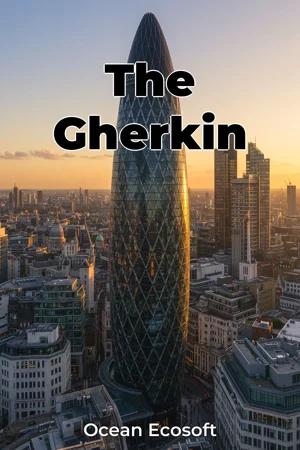
What makes a building iconic? The Gherkin, formally known as 30 St Mary Axe, has indelibly marked the London skyline, but its significance extends far beyond its distinctive silhouette. This book, "The Gherkin," delves into the multifaceted story of this architectural landmark, exploring its conception, design intricacies, construction challenges, and its profound impact on urban design and the city of London itself. We will examine three crucial themes: the architectural innovation that propelled the Gherkin to global recognition, the sustainable design principles integrated into its very structure, and the building's influence on London's evolving urban landscape and identity. These topics are vital as they highlight the interplay between architectural vision, environmental responsibility, and the shaping of a modern metropolis. Understanding The Gherkin requires acknowledging the context of late 20th and early 21st-century architecture, a period marked by a shift towards sustainable building practices and a desire for iconic structures that could redefine cityscapes. Prior knowledge of architectural styles, particularly modernism and post-modernism, will enhance the reader's appreciation, though the book will provide sufficient background information to be accessible to a broad audience. The central argument proposes that The Gherkin is more than just a visually striking building; it represents a successful synthesis of innovative design, environmental consciousness, and urban integration, setting a precedent for future architectural endeavors. This argument is essential because it challenges conventional notions of architectural success, emphasizing the importance of sustainability and urban harmony alongside aesthetic appeal. The book begins by introducing the genesis of The Gherkin, detailing the initial design concepts and the vision of its architect, Norman Foster. It then develops into exploring the structural engineering that allowed for its unique shape, discussing the challenges and innovations involved in its construction. Major points include chapters dedicated to the building's environmental features, such as its natural ventilation system and energy-efficient design, and its impact on the surrounding urban fabric, including its contribution to the revitalization of the City of London. The culmination of the argument demonstrates how The Gherkin has become a model for sustainable and iconic architecture, informing urban planning and design strategies worldwide. The book concludes with practical implications, discussing how other cities and architects can draw inspiration from The Gherkin's success to create more sustainable and impactful urban environments. Evidence will be drawn from architectural plans, engineering reports, interviews with the architects and engineers involved, and analysis of the building's energy performance data. Unique data sources include records from the City of London planning department and detailed studies of the building's environmental impact. The book connects to several other fields, including environmental science through its discussion of sustainable building practices, sociology through its examination of the building's impact on urban communities, and economics through its analysis of the building's contribution to London's financial district. These connections demonstrate the interdisciplinary nature of architecture and its influence on various aspects of society. What distinguishes this book is its comprehensive and nuanced exploration of The Gherkin, moving beyond superficial descriptions to delve into the building's technical, environmental, and social implications. The narrative will be presented in a balanced and informative style. The intended audience includes architects, urban planners, students of architecture and urban design, and anyone interested in sustainable building practices and the evolution of modern cities. This book is valuable because it offers a comprehensive case study of a successful architectural project, providing insights and lessons that can be applied to future urban development. In line with architectural writing, the book will maintain a high degree of factual accuracy, supported by credible sources, and will be visually enhanced with photographs, diagrams, and architectural renderings. The scope of the book encompasses the design, construction, and impact of The Gherkin, but it does not extend to a broader history of skyscraper architecture. The information presented can be applied practically by readers seeking to understand and implement sustainable design principles, evaluate the success of urban development projects, and appreciate the role of architecture in shaping modern cities. While universally lauded, the book addresses debates regarding the cost-effectiveness of some of its sustainable features and its impact on the skyline's homogeneity. "The Gherkin" provides a complete examination.
What makes a building iconic? The Gherkin, formally known as 30 St Mary Axe, has indelibly marked the London skyline, but its significance extends far beyond its distinctive silhouette. This book, "The Gherkin," delves into the multifaceted story of this architectural landmark, exploring its conception, design intricacies, construction challenges, and its profound impact on urban design and the city of London itself. We will examine three crucial themes: the architectural innovation that propelled the Gherkin to global recognition, the sustainable design principles integrated into its very structure, and the building's influence on London's evolving urban landscape and identity. These topics are vital as they highlight the interplay between architectural vision, environmental responsibility, and the shaping of a modern metropolis. Understanding The Gherkin requires acknowledging the context of late 20th and early 21st-century architecture, a period marked by a shift towards sustainable building practices and a desire for iconic structures that could redefine cityscapes. Prior knowledge of architectural styles, particularly modernism and post-modernism, will enhance the reader's appreciation, though the book will provide sufficient background information to be accessible to a broad audience. The central argument proposes that The Gherkin is more than just a visually striking building; it represents a successful synthesis of innovative design, environmental consciousness, and urban integration, setting a precedent for future architectural endeavors. This argument is essential because it challenges conventional notions of architectural success, emphasizing the importance of sustainability and urban harmony alongside aesthetic appeal. The book begins by introducing the genesis of The Gherkin, detailing the initial design concepts and the vision of its architect, Norman Foster. It then develops into exploring the structural engineering that allowed for its unique shape, discussing the challenges and innovations involved in its construction. Major points include chapters dedicated to the building's environmental features, such as its natural ventilation system and energy-efficient design, and its impact on the surrounding urban fabric, including its contribution to the revitalization of the City of London. The culmination of the argument demonstrates how The Gherkin has become a model for sustainable and iconic architecture, informing urban planning and design strategies worldwide. The book concludes with practical implications, discussing how other cities and architects can draw inspiration from The Gherkin's success to create more sustainable and impactful urban environments. Evidence will be drawn from architectural plans, engineering reports, interviews with the architects and engineers involved, and analysis of the building's energy performance data. Unique data sources include records from the City of London planning department and detailed studies of the building's environmental impact. The book connects to several other fields, including environmental science through its discussion of sustainable building practices, sociology through its examination of the building's impact on urban communities, and economics through its analysis of the building's contribution to London's financial district. These connections demonstrate the interdisciplinary nature of architecture and its influence on various aspects of society. What distinguishes this book is its comprehensive and nuanced exploration of The Gherkin, moving beyond superficial descriptions to delve into the building's technical, environmental, and social implications. The narrative will be presented in a balanced and informative style. The intended audience includes architects, urban planners, students of architecture and urban design, and anyone interested in sustainable building practices and the evolution of modern cities. This book is valuable because it offers a comprehensive case study of a successful architectural project, providing insights and lessons that can be applied to future urban development. In line with architectural writing, the book will maintain a high degree of factual accuracy, supported by credible sources, and will be visually enhanced with photographs, diagrams, and architectural renderings. The scope of the book encompasses the design, construction, and impact of The Gherkin, but it does not extend to a broader history of skyscraper architecture. The information presented can be applied practically by readers seeking to understand and implement sustainable design principles, evaluate the success of urban development projects, and appreciate the role of architecture in shaping modern cities. While universally lauded, the book addresses debates regarding the cost-effectiveness of some of its sustainable features and its impact on the skyline's homogeneity. "The Gherkin" provides a complete examination.
"The Gherkin" explores the story behind this iconic London landmark, examining its architectural innovation, sustainable design, and impact on the urban landscape. The book delves into how Norman Foster's vision redefined the city skyline while integrating groundbreaking environmental features. Did you know that The Gherkin's design incorporates a natural ventilation system, significantly reducing its energy consumption? Or that its construction presented unique engineering challenges due to its distinctive curved shape? The book progresses from the initial design concepts to the construction process, highlighting the integration of sustainable features and the building's role in revitalizing London's financial district. It argues that The Gherkin represents a successful blend of innovative design, environmental consciousness, and urban integration, offering a model for future architectural projects. It emphasizes the importance of sustainable building practices in modern architecture. This exploration of The Gherkin goes beyond aesthetics, offering a comprehensive look at its technical, environmental, and social implications. It provides valuable insights for architects, urban planners, and anyone interested in understanding how sustainable design can shape our cities. The book showcases how architectural innovation can contribute to a more sustainable and harmonious urban environment.
Book Details
ISBN
9788233975920
Publisher
Publifye AS
Your Licenses
You don't own any licenses for this book
Purchase a license below to unlock this book and download the EPUB.
Purchase License
Select a tier to unlock this book
Need bulk licensing?
Contact us for enterprise agreements.