
About This Book
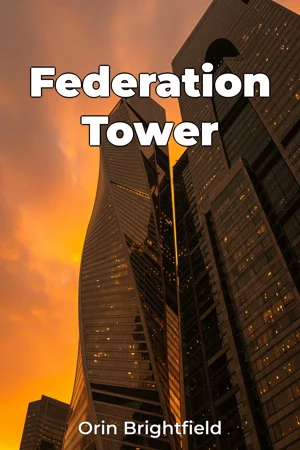
What does it take to redefine a city's skyline and challenge global perceptions of architectural ambition? This book, "Federation Tower," delves into the intricate story of Moscow's Federation Tower, exploring far more than just its physical construction. We examine its symbolic weight as a representation of Russia's resurgence on the world stage, its innovative design, and its ultimately successful race to become one of Europe's tallest structures. This pursuit places the tower at the intersection of world history, architectural innovation, and national aspiration. The book will explore three key areas: firstly, the historical context of skyscraper construction in Russia, especially in Moscow, detailing previous attempts at creating landmark structures and the political and economic climates that either fostered or hindered such projects. Secondly, a detailed examination of the architectural designs of the Federation Tower, including the engineering challenges overcome, the materials utilized, and the aesthetic considerations that shaped its distinctive twin-tower form. Finally, the book will analyze the intense competition among European cities to erect the tallest buildings, investigating how this "race to the sky" reflects broader geopolitical and economic rivalries and the impact of this competition on architectural innovation. Understanding the Federation Tower requires some knowledge of post-Soviet Russia, including its economic development and its drive to assert its global influence. Prior familiarity with basic architectural concepts, such as structural engineering and design principles, will also enhance the reader's appreciation of the book's technical aspects. The central argument of "Federation Tower" is that the tower's construction represents a pivotal moment in Russia's modern history. It is not just a building; it embodies the nation's ambitions for economic prosperity, technological advancement, and international recognition. This argument is crucial for understanding how architecture functions as a form of cultural and political expression. This book is structured to guide the reader through a comprehensive analysis of the Federation Tower. First, it introduces the historical and architectural context surrounding its conception and development. Then, it delves into the design and construction phases, highlighting the key innovations and challenges. This section includes detailed analysis of the tower's structural engineering, facade design, and internal organization. Finally, the book culminates in an examination of the tower's impact on Moscow's urban landscape, its role in shaping Russia's image on the global stage, and its legacy as a symbol of national pride. The book also touches on implications for sustainable design and the potential for similar projects in other emerging economies. To support its claims, the book will present evidence gathered from a variety of sources, including architectural plans, engineering reports, interviews with architects and engineers involved in the project, and historical documents relating to urban planning and economic development in Moscow. Unique data sources include access to previously untranslated Russian-language materials and firsthand accounts from individuals who played key roles in the tower's creation. The book connects to other areas of study, including urban sociology, political science, and economic history. The tower's impact on Moscow's social fabric and the ways it has reshaped urban life connect to urban sociology. The political decisions that enabled and supported the tower's construction and its role in international relations are relevant to political science. The economic factors that drove the project and its impact on the Russian economy are relevant to economic history. These interdisciplinary connections enrich the book's analysis and provide a more holistic understanding of the Federation Tower's significance. "Federation Tower" offers a unique perspective by situating the tower within the broader context of post-Soviet Russia's attempts to modernize and reassert its global influence. It goes beyond a technical description of the building to explore its symbolic meaning and its impact on both the city of Moscow and the nation as a whole. The book adopts a balanced and analytical tone. It presents factual information in a clear and accessible manner. While acknowledging the architectural achievements, it also addresses the challenges and controversies associated with the project. The target audience includes students and scholars of architecture, urban planning, and Russian history, as well as anyone interested in skyscraper construction, urban development, and the interplay between architecture and national identity. The book will be valuable to those seeking a deeper understanding of how buildings can reflect and shape cultural, political, and economic forces. A common expectation of architectural non-fiction is an in-depth analysis of design and construction techniques. "Federation Tower" meets this expectation while also broadening the scope to include historical and cultural context, which aligns with its secondary genres of 'World History' and 'History World'. The book focuses specifically on the Federation Tower and its immediate context in Moscow. While it touches on broader trends in skyscraper construction, it does not attempt to provide a comprehensive history of skyscrapers or a detailed analysis of other buildings in Moscow or elsewhere. The insights in the book can be applied practically by urban planners, architects, and policymakers interested in understanding the factors that contribute to successful urban development projects and the challenges of constructing landmark buildings in complex urban environments. The project did face controversies related to construction delays, funding, and environmental concerns. The book confronts these debates by presenting multiple perspectives and analyzing the evidence objectively.
What does it take to redefine a city's skyline and challenge global perceptions of architectural ambition? This book, "Federation Tower," delves into the intricate story of Moscow's Federation Tower, exploring far more than just its physical construction. We examine its symbolic weight as a representation of Russia's resurgence on the world stage, its innovative design, and its ultimately successful race to become one of Europe's tallest structures. This pursuit places the tower at the intersection of world history, architectural innovation, and national aspiration. The book will explore three key areas: firstly, the historical context of skyscraper construction in Russia, especially in Moscow, detailing previous attempts at creating landmark structures and the political and economic climates that either fostered or hindered such projects. Secondly, a detailed examination of the architectural designs of the Federation Tower, including the engineering challenges overcome, the materials utilized, and the aesthetic considerations that shaped its distinctive twin-tower form. Finally, the book will analyze the intense competition among European cities to erect the tallest buildings, investigating how this "race to the sky" reflects broader geopolitical and economic rivalries and the impact of this competition on architectural innovation. Understanding the Federation Tower requires some knowledge of post-Soviet Russia, including its economic development and its drive to assert its global influence. Prior familiarity with basic architectural concepts, such as structural engineering and design principles, will also enhance the reader's appreciation of the book's technical aspects. The central argument of "Federation Tower" is that the tower's construction represents a pivotal moment in Russia's modern history. It is not just a building; it embodies the nation's ambitions for economic prosperity, technological advancement, and international recognition. This argument is crucial for understanding how architecture functions as a form of cultural and political expression. This book is structured to guide the reader through a comprehensive analysis of the Federation Tower. First, it introduces the historical and architectural context surrounding its conception and development. Then, it delves into the design and construction phases, highlighting the key innovations and challenges. This section includes detailed analysis of the tower's structural engineering, facade design, and internal organization. Finally, the book culminates in an examination of the tower's impact on Moscow's urban landscape, its role in shaping Russia's image on the global stage, and its legacy as a symbol of national pride. The book also touches on implications for sustainable design and the potential for similar projects in other emerging economies. To support its claims, the book will present evidence gathered from a variety of sources, including architectural plans, engineering reports, interviews with architects and engineers involved in the project, and historical documents relating to urban planning and economic development in Moscow. Unique data sources include access to previously untranslated Russian-language materials and firsthand accounts from individuals who played key roles in the tower's creation. The book connects to other areas of study, including urban sociology, political science, and economic history. The tower's impact on Moscow's social fabric and the ways it has reshaped urban life connect to urban sociology. The political decisions that enabled and supported the tower's construction and its role in international relations are relevant to political science. The economic factors that drove the project and its impact on the Russian economy are relevant to economic history. These interdisciplinary connections enrich the book's analysis and provide a more holistic understanding of the Federation Tower's significance. "Federation Tower" offers a unique perspective by situating the tower within the broader context of post-Soviet Russia's attempts to modernize and reassert its global influence. It goes beyond a technical description of the building to explore its symbolic meaning and its impact on both the city of Moscow and the nation as a whole. The book adopts a balanced and analytical tone. It presents factual information in a clear and accessible manner. While acknowledging the architectural achievements, it also addresses the challenges and controversies associated with the project. The target audience includes students and scholars of architecture, urban planning, and Russian history, as well as anyone interested in skyscraper construction, urban development, and the interplay between architecture and national identity. The book will be valuable to those seeking a deeper understanding of how buildings can reflect and shape cultural, political, and economic forces. A common expectation of architectural non-fiction is an in-depth analysis of design and construction techniques. "Federation Tower" meets this expectation while also broadening the scope to include historical and cultural context, which aligns with its secondary genres of 'World History' and 'History World'. The book focuses specifically on the Federation Tower and its immediate context in Moscow. While it touches on broader trends in skyscraper construction, it does not attempt to provide a comprehensive history of skyscrapers or a detailed analysis of other buildings in Moscow or elsewhere. The insights in the book can be applied practically by urban planners, architects, and policymakers interested in understanding the factors that contribute to successful urban development projects and the challenges of constructing landmark buildings in complex urban environments. The project did face controversies related to construction delays, funding, and environmental concerns. The book confronts these debates by presenting multiple perspectives and analyzing the evidence objectively.
"Federation Tower" explores the story of Moscow's iconic skyscraper, examining its architectural innovation and symbolic representation of Russia's resurgence. The book delves into the historical context of skyscraper construction in Russia, detailing previous attempts and the political and economic climates that shaped them. It also examines the architectural designs, the engineering challenges overcome, and the aesthetic considerations that led to its distinctive twin-tower form. The book highlights the intense competition among European cities to erect the tallest buildings, which reflects broader geopolitical and economic rivalries. The book analyzes the Federation Tower as a pivotal moment in Russia's modern history, embodying the nation's ambitions for economic prosperity, technological advancement, and international recognition. Beginning with the historical and architectural context, the book progresses through design and construction phases, highlighting innovations and challenges. It culminates in an examination of the tower's impact on Moscow's urban landscape and its legacy as a symbol of national pride. This approach provides a comprehensive understanding of the tower's significance beyond its physical presence.
Book Details
ISBN
9788233975906
Publisher
Publifye AS
Your Licenses
You don't own any licenses for this book
Purchase a license below to unlock this book and download the EPUB.
Purchase License
Select a tier to unlock this book
Need bulk licensing?
Contact us for enterprise agreements.