
About This Book
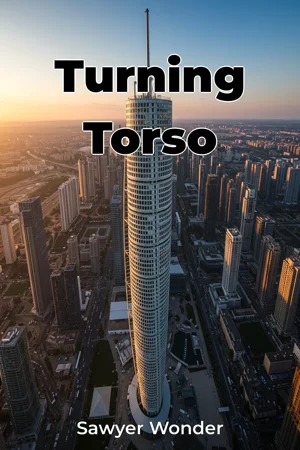
What if a skyscraper could defy conventional architectural norms, becoming a symbol of innovation and a catalyst for urban revitalization? "Turning Torso" explores the groundbreaking design and construction of Santiago Calatrava's Turning Torso in Malmö, Sweden, a building that radically redefined skyscraper aesthetics and engineering possibilities. This book examines the complex interplay of architectural vision, engineering ingenuity, and urban planning that brought this iconic structure to life. Understanding the Turning Torso's creation is important because it offers insight into the future of sustainable urban development and the potential of daring architectural design to reshape cityscapes. The book is structured around three core themes: the architectural concept and design innovations, the engineering challenges and solutions, and the building's impact on urban development and architectural discourse. The architectural concept focuses on Calatrava's vision of a twisting, sculptural form inspired by a human torso, detailing how this vision was translated into a functional and habitable building. The engineering challenges section delves into the complex structural solutions required to realize the twisting design, exploring the innovative use of reinforced concrete and advanced construction techniques. Finally, the impact section examines the Turning Torso's role in revitalizing the Western Harbour area of Malmö and its influence on subsequent skyscraper designs worldwide. The book argues that the Turning Torso represents a pivotal moment in architectural history, demonstrating the feasibility of complex, sculptural designs in high-rise construction and setting a new precedent for sustainable and aesthetically daring urban development. This argument is crucial as cities increasingly seek innovative solutions to urban density and environmental challenges. The content unfolds as follows: The initial chapters introduce the architectural and historical context of skyscraper design, setting the stage for understanding the radical departure represented by the Turning Torso. Subsequent chapters detail the design process, from Calatrava's initial sketches to the final construction drawings, highlighting the key design decisions and their impact on the building's form and function. A significant portion of the book is dedicated to the engineering challenges, with detailed explanations of the structural system, the construction methods employed, and the innovative solutions developed to overcome the unique challenges posed by the twisting design. The book draws on interviews with architects, engineers, and developers involved in the project, as well as detailed architectural drawings, construction photographs, and technical specifications. The book makes connections to fields like structural engineering, materials science, and urban planning. The discussion of the building's structural system connects to engineering principles and innovations in concrete technology. The analysis of its impact on the Western Harbour area links to urban planning theories and the role of landmark architecture in urban regeneration. Further, its design connects to art history and the influence of sculpture on architectural form. What sets this book apart is its comprehensive and interdisciplinary approach, combining architectural analysis, engineering insights, and urban planning perspectives to provide a holistic understanding of the Turning Torso. The writing style is accessible yet rigorous, aiming to engage both specialists and general readers interested in architecture, design, and urban development. The target audience includes architects, engineers, urban planners, students of architecture and engineering, and anyone interested in innovative design and sustainable urban development. The book provides valuable insights into the design and construction process of a landmark building, offering practical lessons and inspiration for future projects. As a work of architectural nonfiction, "Turning Torso" adheres to the genre's emphasis on factual accuracy, detailed analysis, and visual documentation. The book's scope is primarily focused on the design, construction, and impact of the Turning Torso, with limited discussion of other skyscrapers or broader architectural trends. The information presented has real-world applications for architects and engineers seeking to push the boundaries of design and construction, as well as for urban planners looking to revitalize urban areas through innovative architecture. While the Turning Torso has received widespread acclaim, the book also addresses some critiques, such as concerns about its cost and potential for energy inefficiency, providing a balanced perspective on the building's legacy.
What if a skyscraper could defy conventional architectural norms, becoming a symbol of innovation and a catalyst for urban revitalization? "Turning Torso" explores the groundbreaking design and construction of Santiago Calatrava's Turning Torso in Malmö, Sweden, a building that radically redefined skyscraper aesthetics and engineering possibilities. This book examines the complex interplay of architectural vision, engineering ingenuity, and urban planning that brought this iconic structure to life. Understanding the Turning Torso's creation is important because it offers insight into the future of sustainable urban development and the potential of daring architectural design to reshape cityscapes. The book is structured around three core themes: the architectural concept and design innovations, the engineering challenges and solutions, and the building's impact on urban development and architectural discourse. The architectural concept focuses on Calatrava's vision of a twisting, sculptural form inspired by a human torso, detailing how this vision was translated into a functional and habitable building. The engineering challenges section delves into the complex structural solutions required to realize the twisting design, exploring the innovative use of reinforced concrete and advanced construction techniques. Finally, the impact section examines the Turning Torso's role in revitalizing the Western Harbour area of Malmö and its influence on subsequent skyscraper designs worldwide. The book argues that the Turning Torso represents a pivotal moment in architectural history, demonstrating the feasibility of complex, sculptural designs in high-rise construction and setting a new precedent for sustainable and aesthetically daring urban development. This argument is crucial as cities increasingly seek innovative solutions to urban density and environmental challenges. The content unfolds as follows: The initial chapters introduce the architectural and historical context of skyscraper design, setting the stage for understanding the radical departure represented by the Turning Torso. Subsequent chapters detail the design process, from Calatrava's initial sketches to the final construction drawings, highlighting the key design decisions and their impact on the building's form and function. A significant portion of the book is dedicated to the engineering challenges, with detailed explanations of the structural system, the construction methods employed, and the innovative solutions developed to overcome the unique challenges posed by the twisting design. The book draws on interviews with architects, engineers, and developers involved in the project, as well as detailed architectural drawings, construction photographs, and technical specifications. The book makes connections to fields like structural engineering, materials science, and urban planning. The discussion of the building's structural system connects to engineering principles and innovations in concrete technology. The analysis of its impact on the Western Harbour area links to urban planning theories and the role of landmark architecture in urban regeneration. Further, its design connects to art history and the influence of sculpture on architectural form. What sets this book apart is its comprehensive and interdisciplinary approach, combining architectural analysis, engineering insights, and urban planning perspectives to provide a holistic understanding of the Turning Torso. The writing style is accessible yet rigorous, aiming to engage both specialists and general readers interested in architecture, design, and urban development. The target audience includes architects, engineers, urban planners, students of architecture and engineering, and anyone interested in innovative design and sustainable urban development. The book provides valuable insights into the design and construction process of a landmark building, offering practical lessons and inspiration for future projects. As a work of architectural nonfiction, "Turning Torso" adheres to the genre's emphasis on factual accuracy, detailed analysis, and visual documentation. The book's scope is primarily focused on the design, construction, and impact of the Turning Torso, with limited discussion of other skyscrapers or broader architectural trends. The information presented has real-world applications for architects and engineers seeking to push the boundaries of design and construction, as well as for urban planners looking to revitalize urban areas through innovative architecture. While the Turning Torso has received widespread acclaim, the book also addresses some critiques, such as concerns about its cost and potential for energy inefficiency, providing a balanced perspective on the building's legacy.
"Turning Torso" explores the revolutionary design and construction of Santiago Calatrava's iconic skyscraper in Malmö, Sweden, a building that defied conventional architectural norms. The book delves into the intricate details of how architectural vision, engineering ingenuity, and urban planning converged to create this landmark structure, examining its impact on sustainable urban development and architectural innovation. One intriguing aspect highlighted is the building's twisting form, inspired by a human torso, which presented unprecedented engineering challenges. Another is the innovative use of reinforced concrete and advanced construction techniques necessary to realize Calatrava's daring vision. The book examines the Turning Torso's architectural concept, engineering solutions, and impact on urban development. It emphasizes how this building served as a catalyst for revitalizing Malmö's Western Harbour area and influenced subsequent skyscraper designs globally. Through detailed architectural drawings, construction photographs, and interviews with key figures involved in the project, the book uncovers the complex processes behind its creation. The narrative progresses from the initial architectural and historical context to the design process, engineering challenges, and the building's overall impact.
Book Details
ISBN
9788233975845
Publisher
Publifye AS
Your Licenses
You don't own any licenses for this book
Purchase a license below to unlock this book and download the EPUB.
Purchase License
Select a tier to unlock this book
Need bulk licensing?
Contact us for enterprise agreements.