
About This Book
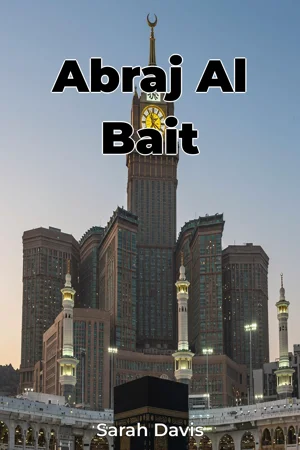
How did a modern architectural marvel become a focal point of both reverence and controversy in the holiest city in Islam? *Abraj Al Bait* delves into the multifaceted story of the Abraj Al Bait Clock Tower in Mecca, exploring its architectural design, its symbolic importance to the Islamic world, and the complex debates surrounding its construction and impact on the historical landscape of Mecca. This book will examine the Abraj Al Bait not merely as a building, but as a representation of evolving religious, cultural, and economic forces. The book addresses three key topics: first, the architectural innovation and engineering feats involved in constructing one of the world's tallest buildings; second, the symbolic integration of Islamic motifs and astronomical timekeeping into the tower's design, reflecting a blend of tradition and modernity; and third, the socio-cultural ramifications of the project, including the displacement of historical sites and the introduction of commercial development in proximity to the Grand Mosque. Understanding these topics is crucial for grasping the complex relationship between religious heritage and modern urban development. To fully appreciate the significance of Abraj Al Bait, the book provides necessary historical context, tracing the evolution of Mecca from a small trading center to a global pilgrimage destination. It also outlines the foundational principles of Islamic architecture and art, elucidating how these principles have traditionally shaped sacred spaces. Readers will benefit from a basic understanding of Islamic history and architectural styles, but the book is written to be accessible to a broad audience. The central argument of *Abraj Al Bait* is that the tower exemplifies a tension between preserving Islamic heritage and embracing contemporary development. The book posits that while the Abraj Al Bait serves a functional purpose by accommodating the growing number of pilgrims, its presence raises fundamental questions about the appropriate scale and character of development in sacred cities. This argument challenges readers to consider the long-term implications of prioritizing modern infrastructure over historical preservation. The book is structured to methodically unfold the story of the Abraj Al Bait. It begins with an introduction to the historical and religious significance of Mecca. It then transitions into a detailed exploration of the tower's design and structural engineering. The book dedicates specific chapters to examining the controversy surrounding the project, analyzing the ethical and cultural considerations raised by its construction. Finally, it concludes with a discussion of the Abraj Al Bait's impact on the urban environment and the future of Mecca's architectural landscape. The analysis presented in this book is grounded in a range of evidence, including architectural plans, historical documents, interviews with architects and religious scholars, and photographic documentation of the construction process. The book also draws upon urban planning studies and reports from heritage organizations, providing a multi-faceted perspective on the project. Interdisciplinary connections enrich the analysis within *Abraj Al Bait*. It connects to the fields of urban planning by examining the impact of large-scale developments on urban environments. It connects to the fields of religious studies by exploring the intersection of faith and architecture. It connects to the fields of economics by analyzing the economic drivers behind major construction projects in religious tourism destinations. These connections provide a more nuanced understanding of the Abraj Al Bait's place in a wider context. The book offers a unique perspective by critically assessing the Abraj Al Bait through the lenses of both architectural achievement and cultural sensitivity. It moves beyond simple celebration or condemnation, offering a balanced evaluation of the project's merits and drawbacks and encouraging a more informed discussion about the future of sacred spaces. The tone of *Abraj Al Bait* is both informative and analytical, providing a balanced and objective assessment of the Abraj Al Bait. The information is presented in a clear and accessible manner, avoiding overly technical jargon and making the book suitable for both academic and general audiences. The target audience for this book includes students and scholars of architecture, Islamic studies, and urban planning, as well as general readers interested in Islamic culture, modern architecture, and the challenges of preserving historical sites. This book will be valuable to anyone seeking a deeper understanding of the complexities of development in religiously significant locations. As a work of non-fiction architecture, *Abraj Al Bait* adheres to the genre's conventions by providing factual information, detailed analysis, and visual documentation. It uses clear language and rigorous research to present a comprehensive and convincing account of its subject. While *Abraj Al Bait* aims to provide a comprehensive overview of the tower, its scope is intentionally limited to the architectural, cultural, and religious aspects of the project. It does not delve into the specific financial details of its construction or the political motivations of individual stakeholders, focusing instead on the broader implications of the project for the city of Mecca and the Islamic world. The insights gleaned from this book can be applied to real-world scenarios involving urban development near historical or religious sites. It offers guidance for policymakers, architects, and community stakeholders seeking to balance the needs of modernization with the preservation of cultural heritage. By examining the successes and shortcomings of the Abraj Al Bait project, readers can gain valuable lessons for future development projects in similar contexts. The book acknowledges the ongoing debates within the architectural and religious communities regarding the appropriateness of the Abraj Al Bait's scale and design. It presents multiple perspectives on these controversies, fostering a more informed discussion about the future of sacred spaces and the role of modern architecture in preserving cultural heritage.
How did a modern architectural marvel become a focal point of both reverence and controversy in the holiest city in Islam? *Abraj Al Bait* delves into the multifaceted story of the Abraj Al Bait Clock Tower in Mecca, exploring its architectural design, its symbolic importance to the Islamic world, and the complex debates surrounding its construction and impact on the historical landscape of Mecca. This book will examine the Abraj Al Bait not merely as a building, but as a representation of evolving religious, cultural, and economic forces. The book addresses three key topics: first, the architectural innovation and engineering feats involved in constructing one of the world's tallest buildings; second, the symbolic integration of Islamic motifs and astronomical timekeeping into the tower's design, reflecting a blend of tradition and modernity; and third, the socio-cultural ramifications of the project, including the displacement of historical sites and the introduction of commercial development in proximity to the Grand Mosque. Understanding these topics is crucial for grasping the complex relationship between religious heritage and modern urban development. To fully appreciate the significance of Abraj Al Bait, the book provides necessary historical context, tracing the evolution of Mecca from a small trading center to a global pilgrimage destination. It also outlines the foundational principles of Islamic architecture and art, elucidating how these principles have traditionally shaped sacred spaces. Readers will benefit from a basic understanding of Islamic history and architectural styles, but the book is written to be accessible to a broad audience. The central argument of *Abraj Al Bait* is that the tower exemplifies a tension between preserving Islamic heritage and embracing contemporary development. The book posits that while the Abraj Al Bait serves a functional purpose by accommodating the growing number of pilgrims, its presence raises fundamental questions about the appropriate scale and character of development in sacred cities. This argument challenges readers to consider the long-term implications of prioritizing modern infrastructure over historical preservation. The book is structured to methodically unfold the story of the Abraj Al Bait. It begins with an introduction to the historical and religious significance of Mecca. It then transitions into a detailed exploration of the tower's design and structural engineering. The book dedicates specific chapters to examining the controversy surrounding the project, analyzing the ethical and cultural considerations raised by its construction. Finally, it concludes with a discussion of the Abraj Al Bait's impact on the urban environment and the future of Mecca's architectural landscape. The analysis presented in this book is grounded in a range of evidence, including architectural plans, historical documents, interviews with architects and religious scholars, and photographic documentation of the construction process. The book also draws upon urban planning studies and reports from heritage organizations, providing a multi-faceted perspective on the project. Interdisciplinary connections enrich the analysis within *Abraj Al Bait*. It connects to the fields of urban planning by examining the impact of large-scale developments on urban environments. It connects to the fields of religious studies by exploring the intersection of faith and architecture. It connects to the fields of economics by analyzing the economic drivers behind major construction projects in religious tourism destinations. These connections provide a more nuanced understanding of the Abraj Al Bait's place in a wider context. The book offers a unique perspective by critically assessing the Abraj Al Bait through the lenses of both architectural achievement and cultural sensitivity. It moves beyond simple celebration or condemnation, offering a balanced evaluation of the project's merits and drawbacks and encouraging a more informed discussion about the future of sacred spaces. The tone of *Abraj Al Bait* is both informative and analytical, providing a balanced and objective assessment of the Abraj Al Bait. The information is presented in a clear and accessible manner, avoiding overly technical jargon and making the book suitable for both academic and general audiences. The target audience for this book includes students and scholars of architecture, Islamic studies, and urban planning, as well as general readers interested in Islamic culture, modern architecture, and the challenges of preserving historical sites. This book will be valuable to anyone seeking a deeper understanding of the complexities of development in religiously significant locations. As a work of non-fiction architecture, *Abraj Al Bait* adheres to the genre's conventions by providing factual information, detailed analysis, and visual documentation. It uses clear language and rigorous research to present a comprehensive and convincing account of its subject. While *Abraj Al Bait* aims to provide a comprehensive overview of the tower, its scope is intentionally limited to the architectural, cultural, and religious aspects of the project. It does not delve into the specific financial details of its construction or the political motivations of individual stakeholders, focusing instead on the broader implications of the project for the city of Mecca and the Islamic world. The insights gleaned from this book can be applied to real-world scenarios involving urban development near historical or religious sites. It offers guidance for policymakers, architects, and community stakeholders seeking to balance the needs of modernization with the preservation of cultural heritage. By examining the successes and shortcomings of the Abraj Al Bait project, readers can gain valuable lessons for future development projects in similar contexts. The book acknowledges the ongoing debates within the architectural and religious communities regarding the appropriateness of the Abraj Al Bait's scale and design. It presents multiple perspectives on these controversies, fostering a more informed discussion about the future of sacred spaces and the role of modern architecture in preserving cultural heritage.
Abraj Al Bait in Mecca stands as a towering example of modern architecture intersecting with religious heritage, sparking both admiration and debate. This book explores the Abraj Al Bait Clock Tower, not just as a feat of engineering, but as a symbol of the evolving dynamics within the Islamic world. It delves into the intricate architectural design that incorporates Islamic motifs alongside modern astronomical timekeeping, illustrating a unique blend of tradition and innovation. The Abraj Al Bait also examines the socio-cultural impacts, such as the displacement of historical sites, raising important questions about balancing urban development with the preservation of sacred spaces. The book methodically progresses from the historical significance of Mecca to the tower's detailed design and the controversies surrounding its construction. It highlights the tension between accommodating the growing number of pilgrims and maintaining the historical integrity of the sacred city. As one of the world's tallest buildings, the Abraj Al Bait reflects a growing trend of modern development in religiously significant locations, prompting a discussion about the scale and character of such projects. Through architectural plans, historical documents, and interviews, the book provides a multi-faceted perspective on the Abraj Al Bait. It offers a balanced assessment, encouraging readers to consider the long-term implications of prioritizing modern infrastructure in historically and religiously sensitive areas. The goal is to promote an informed discussion about the future of sacred spaces and the role of architecture in preserving cultural heritage.
Book Details
ISBN
9788233975807
Publisher
Publifye AS
Your Licenses
You don't own any licenses for this book
Purchase a license below to unlock this book and download the EPUB.
Purchase License
Select a tier to unlock this book
Need bulk licensing?
Contact us for enterprise agreements.