
About This Book
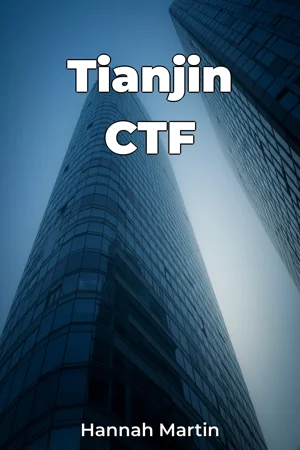
Can a single building redefine a city's skyline while simultaneously setting new benchmarks for sustainable design? "Tianjin CTF" explores the myriad facets of this iconic skyscraper, dissecting its architectural prowess, its impact on urban development, and its pioneering approach to energy efficiency. This book is an in-depth examination of the Tianjin CTF Finance Centre, a mixed-use development that stands as a testament to innovative design and engineering. This book delves into three core areas: the architectural design and structural engineering that brought the Tianjin CTF to life, the mixed-use functionality that integrates the building into the urban fabric, and the sustainable design principles employed to minimize its environmental impact. These topics are paramount as cities worldwide grapple with the challenges of vertical urbanism, seeking to create sustainable, livable, and economically viable environments. Understanding the Tianjin CTF requires a grasp of the historical context of skyscraper design and the evolving demands of modern urban living. The book provides a background on the technological advancements that have enabled the construction of supertall buildings, as well as the changing social and economic factors that drive the demand for mixed-use developments. The central argument of "Tianjin CTF" is that the building represents a successful synthesis of aesthetic design, functional programming, and environmental responsibility. It demonstrates how a supertall structure can serve as a catalyst for urban regeneration while minimizing its carbon footprint. This argument is critical for architects, urban planners, and policymakers seeking sustainable solutions for the future of cities. The book is structured to provide a comprehensive understanding of the Tianjin CTF. It begins with an introduction to the project's conception and design philosophy. The subsequent sections detail the building's key architectural features, including its curvilinear façade, its structural system designed to withstand seismic activity, and its advanced vertical transportation system. Further chapters explore the building's mixed-use program, examining the integration of office spaces, residential units, and hotel facilities. A significant portion of the book is dedicated to the sustainable design strategies employed, covering topics such as energy-efficient glazing, rainwater harvesting, and intelligent building management systems. The book culminates with a discussion of the Tianjin CTF's impact on the surrounding urban environment and its implications for future skyscraper design. The analysis presented in this book is supported by a range of evidence, including architectural drawings, engineering specifications, performance data, and expert interviews. Unique data sources, such as energy consumption reports and post-occupancy surveys, provide insights into the building's real-world performance. "Tianjin CTF" connects to the fields of urban planning, sustainable development, and materials science. The book explores how the building contributes to broader urban development goals, how it aligns with global sustainability targets, and how its innovative use of materials enhances its performance. These interdisciplinary connections enrich the understanding of the Tianjin CTF as a holistic and integrated project. This book offers a unique perspective by combining a detailed architectural analysis with an assessment of the building's environmental and social impact. It moves beyond a purely aesthetic appreciation to examine the practical challenges and opportunities of designing and operating a supertall, mixed-use structure in the 21st century. The tone of the book is informative and analytical, with a focus on presenting factual information in a clear and accessible manner. While grounded in technical detail, the writing style is intended to engage a broad audience interested in architecture, design, and sustainable development. The target audience includes architects, engineers, urban planners, students, and anyone interested in the design and construction of tall buildings. It is valuable for professionals seeking to learn from best practices in sustainable design and for students looking for a comprehensive case study of a landmark architectural project. As a work of architectural non-fiction, the book adheres to the conventions of detailed documentation, rigorous analysis, and clear communication of technical information, common for this genre. The scope of the book is limited to a detailed examination of the Tianjin CTF Finance Centre. While the project's context within the broader landscape of skyscraper design is considered, the primary focus remains on the specific design and performance characteristics of this single building. The information in this book can be applied to inform the design of future tall buildings, to guide the development of sustainable urban environments, and to educate students and professionals about the principles of high-performance architecture. While the Tianjin CTF has been widely praised for its design and sustainability features, some debate exists regarding the economic viability of supertall buildings and their impact on urban density. The book addresses these debates by providing a balanced assessment of the project's strengths and weaknesses.
Can a single building redefine a city's skyline while simultaneously setting new benchmarks for sustainable design? "Tianjin CTF" explores the myriad facets of this iconic skyscraper, dissecting its architectural prowess, its impact on urban development, and its pioneering approach to energy efficiency. This book is an in-depth examination of the Tianjin CTF Finance Centre, a mixed-use development that stands as a testament to innovative design and engineering. This book delves into three core areas: the architectural design and structural engineering that brought the Tianjin CTF to life, the mixed-use functionality that integrates the building into the urban fabric, and the sustainable design principles employed to minimize its environmental impact. These topics are paramount as cities worldwide grapple with the challenges of vertical urbanism, seeking to create sustainable, livable, and economically viable environments. Understanding the Tianjin CTF requires a grasp of the historical context of skyscraper design and the evolving demands of modern urban living. The book provides a background on the technological advancements that have enabled the construction of supertall buildings, as well as the changing social and economic factors that drive the demand for mixed-use developments. The central argument of "Tianjin CTF" is that the building represents a successful synthesis of aesthetic design, functional programming, and environmental responsibility. It demonstrates how a supertall structure can serve as a catalyst for urban regeneration while minimizing its carbon footprint. This argument is critical for architects, urban planners, and policymakers seeking sustainable solutions for the future of cities. The book is structured to provide a comprehensive understanding of the Tianjin CTF. It begins with an introduction to the project's conception and design philosophy. The subsequent sections detail the building's key architectural features, including its curvilinear façade, its structural system designed to withstand seismic activity, and its advanced vertical transportation system. Further chapters explore the building's mixed-use program, examining the integration of office spaces, residential units, and hotel facilities. A significant portion of the book is dedicated to the sustainable design strategies employed, covering topics such as energy-efficient glazing, rainwater harvesting, and intelligent building management systems. The book culminates with a discussion of the Tianjin CTF's impact on the surrounding urban environment and its implications for future skyscraper design. The analysis presented in this book is supported by a range of evidence, including architectural drawings, engineering specifications, performance data, and expert interviews. Unique data sources, such as energy consumption reports and post-occupancy surveys, provide insights into the building's real-world performance. "Tianjin CTF" connects to the fields of urban planning, sustainable development, and materials science. The book explores how the building contributes to broader urban development goals, how it aligns with global sustainability targets, and how its innovative use of materials enhances its performance. These interdisciplinary connections enrich the understanding of the Tianjin CTF as a holistic and integrated project. This book offers a unique perspective by combining a detailed architectural analysis with an assessment of the building's environmental and social impact. It moves beyond a purely aesthetic appreciation to examine the practical challenges and opportunities of designing and operating a supertall, mixed-use structure in the 21st century. The tone of the book is informative and analytical, with a focus on presenting factual information in a clear and accessible manner. While grounded in technical detail, the writing style is intended to engage a broad audience interested in architecture, design, and sustainable development. The target audience includes architects, engineers, urban planners, students, and anyone interested in the design and construction of tall buildings. It is valuable for professionals seeking to learn from best practices in sustainable design and for students looking for a comprehensive case study of a landmark architectural project. As a work of architectural non-fiction, the book adheres to the conventions of detailed documentation, rigorous analysis, and clear communication of technical information, common for this genre. The scope of the book is limited to a detailed examination of the Tianjin CTF Finance Centre. While the project's context within the broader landscape of skyscraper design is considered, the primary focus remains on the specific design and performance characteristics of this single building. The information in this book can be applied to inform the design of future tall buildings, to guide the development of sustainable urban environments, and to educate students and professionals about the principles of high-performance architecture. While the Tianjin CTF has been widely praised for its design and sustainability features, some debate exists regarding the economic viability of supertall buildings and their impact on urban density. The book addresses these debates by providing a balanced assessment of the project's strengths and weaknesses.
"Tianjin CTF" offers an in-depth exploration of the Tianjin CTF Finance Centre, a skyscraper that exemplifies innovative architectural and sustainable design. The book examines how this mixed-use development redefines urban skylines while pushing the boundaries of energy efficiency and vertical urbanism. Readers gain insights into the building's curvilinear facade and its structural system designed to withstand seismic activity, showcasing how aesthetic design can merge with functional and environmental responsibility. The analysis connects architectural design with urban planning and sustainable development goals. The book approaches the subject by dissecting the building's conception, key architectural features, and mixed-use program, including office spaces, residential units, and hotel facilities. A significant portion is dedicated to sustainable design strategies, such as energy-efficient glazing and rainwater harvesting. By combining architectural analysis with the building's environmental impact, the book provides a balanced assessment of its strengths and weaknesses. The chapters progress from the initial design philosophy to the building's impact on the urban environment, offering a comprehensive understanding of this landmark project.
Book Details
ISBN
9788233975791
Publisher
Publifye AS
Your Licenses
You don't own any licenses for this book
Purchase a license below to unlock this book and download the EPUB.
Purchase License
Select a tier to unlock this book
Need bulk licensing?
Contact us for enterprise agreements.