
About This Book
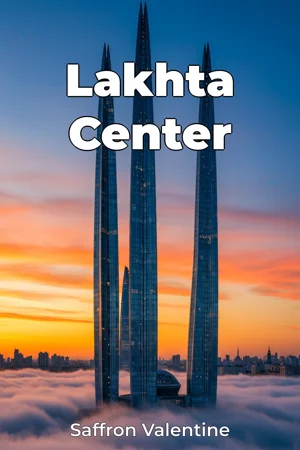
How did a city steeped in historical architecture embrace a structure that redefined its skyline and challenged conventional design paradigms? "Lakhta Center" delves into the comprehensive story of Europe's tallest skyscraper, exploring its conception, design intricacies, construction challenges, and lasting influence on the architectural landscape of Russia and beyond. This book addresses three primary areas. First, it examines the architectural design of the Lakhta Center, dissecting its innovative form, facade engineering, and structural solutions that enable its impressive height and resilience against the harsh St. Petersburg climate. Second, it investigates the building’s construction process, detailing the logistical operations and technological advancements employed to realize such an ambitious project, including deep foundation techniques and high-rise construction management. Finally, it analyzes the Lakhta Center’s impact on the urban environment and its role in shaping the future of Russian architecture, considering both its symbolic representation of modern Russia and its practical contribution to sustainable design and engineering. These topics are significant because they provide critical insights into the complexities of modern skyscraper design and construction, the interplay between architectural ambition and technological capability, and the wider impact of landmark buildings on urban development and national identity. To fully appreciate the Lakhta Center, one must understand the historical context of Russian architecture, particularly the tension between preserving traditional styles and embracing contemporary innovations. The book provides a background on Russian architectural history, tracing its evolution from imperial grandeur to Soviet functionalism and then to its current era of experimentation and global integration. Central to the book is the argument that the Lakhta Center represents a pivotal shift in Russian architectural thinking, demonstrating a willingness to adopt cutting-edge technologies and sustainable practices while also reflecting a unique Russian aesthetic. The book is structured to guide the reader through a complete exploration of the Lakhta Center. It begins with an introduction to the project’s origins, the design philosophy behind its distinctive form, and the initial challenges faced by the architects and engineers. The subsequent sections delve into the detailed aspects of the building’s design, structural engineering, and construction, with dedicated chapters on topics such as the facade system, the core structure, and the advanced technologies used in its creation. The book then explores the building's influence on the city by addressing the building's sustainable design features and its contribution to the local economy. The book concludes with a discussion of the Lakhta Center’s legacy, its role in shaping the future of Russian architecture, and its symbolic significance as a landmark of modern Russia. The book relies on detailed architectural drawings, engineering reports, construction photographs, and interviews with architects, engineers, and construction managers involved in the project. It analyzes data from environmental impact assessments, energy consumption reports, and urban planning studies to provide a comprehensive and evidence-based assessment of the Lakhta Center’s impact. The book's analysis extends to urban planning, sustainable building practices, and Russian cultural studies. The book emphasizes the importance of interdisciplinary collaboration in complex architectural ventures and highlights how the Lakhta Center project has fostered innovation across multiple fields. "Lakhta Center" offers a unique perspective by focusing on the synthesis of aesthetic vision, engineering ingenuity, and environmental responsibility in the design and construction of a landmark skyscraper. The book is written in a professional and systematic style, aiming to inform and engage readers with an interest in architecture, engineering, urban planning, and Russian culture. The book targets architects, structural engineers, design students, urban planners, and anyone interested in the intersection of architecture, technology, and culture. This book is particularly valuable for professionals and students seeking to understand the latest advancements in high-rise design and construction, as well as those seeking to understand the evolution of Russian architecture in the 21st century. The scope of this book is limited to the architectural, engineering, and socio-cultural aspects of the Lakhta Center. While the book touches on the economic implications of the project, it does not delve into detailed financial analysis or investment strategies. The information presented in this book can be applied practically by architects and engineers seeking to design and construct sustainable high-rise buildings, by urban planners aiming to integrate modern architecture into historical cityscapes, and it may be relevant to ongoing discussions about skyscraper design and its relationship to urban identity in Russia.
How did a city steeped in historical architecture embrace a structure that redefined its skyline and challenged conventional design paradigms? "Lakhta Center" delves into the comprehensive story of Europe's tallest skyscraper, exploring its conception, design intricacies, construction challenges, and lasting influence on the architectural landscape of Russia and beyond. This book addresses three primary areas. First, it examines the architectural design of the Lakhta Center, dissecting its innovative form, facade engineering, and structural solutions that enable its impressive height and resilience against the harsh St. Petersburg climate. Second, it investigates the building’s construction process, detailing the logistical operations and technological advancements employed to realize such an ambitious project, including deep foundation techniques and high-rise construction management. Finally, it analyzes the Lakhta Center’s impact on the urban environment and its role in shaping the future of Russian architecture, considering both its symbolic representation of modern Russia and its practical contribution to sustainable design and engineering. These topics are significant because they provide critical insights into the complexities of modern skyscraper design and construction, the interplay between architectural ambition and technological capability, and the wider impact of landmark buildings on urban development and national identity. To fully appreciate the Lakhta Center, one must understand the historical context of Russian architecture, particularly the tension between preserving traditional styles and embracing contemporary innovations. The book provides a background on Russian architectural history, tracing its evolution from imperial grandeur to Soviet functionalism and then to its current era of experimentation and global integration. Central to the book is the argument that the Lakhta Center represents a pivotal shift in Russian architectural thinking, demonstrating a willingness to adopt cutting-edge technologies and sustainable practices while also reflecting a unique Russian aesthetic. The book is structured to guide the reader through a complete exploration of the Lakhta Center. It begins with an introduction to the project’s origins, the design philosophy behind its distinctive form, and the initial challenges faced by the architects and engineers. The subsequent sections delve into the detailed aspects of the building’s design, structural engineering, and construction, with dedicated chapters on topics such as the facade system, the core structure, and the advanced technologies used in its creation. The book then explores the building's influence on the city by addressing the building's sustainable design features and its contribution to the local economy. The book concludes with a discussion of the Lakhta Center’s legacy, its role in shaping the future of Russian architecture, and its symbolic significance as a landmark of modern Russia. The book relies on detailed architectural drawings, engineering reports, construction photographs, and interviews with architects, engineers, and construction managers involved in the project. It analyzes data from environmental impact assessments, energy consumption reports, and urban planning studies to provide a comprehensive and evidence-based assessment of the Lakhta Center’s impact. The book's analysis extends to urban planning, sustainable building practices, and Russian cultural studies. The book emphasizes the importance of interdisciplinary collaboration in complex architectural ventures and highlights how the Lakhta Center project has fostered innovation across multiple fields. "Lakhta Center" offers a unique perspective by focusing on the synthesis of aesthetic vision, engineering ingenuity, and environmental responsibility in the design and construction of a landmark skyscraper. The book is written in a professional and systematic style, aiming to inform and engage readers with an interest in architecture, engineering, urban planning, and Russian culture. The book targets architects, structural engineers, design students, urban planners, and anyone interested in the intersection of architecture, technology, and culture. This book is particularly valuable for professionals and students seeking to understand the latest advancements in high-rise design and construction, as well as those seeking to understand the evolution of Russian architecture in the 21st century. The scope of this book is limited to the architectural, engineering, and socio-cultural aspects of the Lakhta Center. While the book touches on the economic implications of the project, it does not delve into detailed financial analysis or investment strategies. The information presented in this book can be applied practically by architects and engineers seeking to design and construct sustainable high-rise buildings, by urban planners aiming to integrate modern architecture into historical cityscapes, and it may be relevant to ongoing discussions about skyscraper design and its relationship to urban identity in Russia.
Lakhta Center explores the story of Europe's tallest skyscraper, examining its architectural and structural design, innovative construction, and influence on the urban environment. The book emphasizes the synthesis of aesthetic vision, engineering ingenuity, and environmental responsibility. It reveals how St. Petersburg embraced a modern high-rise, defying conventional design paradigms, and demonstrates Russia's adoption of cutting-edge technologies. Readers will gain insights into the complex facade engineering and structural solutions that enable the building's impressive height, designed to withstand the harsh climate. The book progresses from the project's origins and design philosophy to detailed aspects of construction and the building's impact. It highlights the logistical operations and technological advancements used, such as deep foundation techniques and high-rise construction management. By examining the Lakhta Center's sustainable design features and contribution to the local economy, the book illustrates its role in shaping the future of Russian architecture. It also considers the building's symbolic representation of modern Russia. Through architectural drawings, engineering reports, and interviews, Lakhta Center offers a comprehensive understanding of the interdisciplinary collaboration required for such a complex architectural venture. It provides valuable insights for architects, engineers, and urban planners interested in sustainable building practices, skyscraper design, and the evolution of Russian architecture.
Book Details
ISBN
9788233975784
Publisher
Publifye AS
Your Licenses
You don't own any licenses for this book
Purchase a license below to unlock this book and download the EPUB.
Purchase License
Select a tier to unlock this book
Need bulk licensing?
Contact us for enterprise agreements.