
About This Book
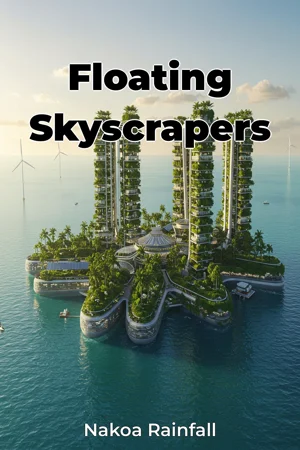
As coastal communities face the escalating threat of rising sea levels, can innovative architectural solutions offer a viable path toward climate adaptation and sustainable urban living? "Floating Skyscrapers" explores a future where towering metropolises rise above the water, presenting a bold vision for resilient urban development in the face of climate change. This book delves into the concept of self-sufficient, buoyant structures as a radical alternative to traditional land-based cities, examining the engineering, environmental, and socio-economic implications of such ambitious projects. The core of this exploration centers around three key topics: the technological feasibility of constructing large-scale floating structures, the integration of sustainable practices into their design and operation, and the potential societal impacts of widespread adoption of floating urban environments. These topics are crucial because they address not only the immediate threat of rising sea levels but also broader issues of resource management, environmental sustainability, and social equity in a future shaped by climate change. Understanding the trajectory of coastal development and the increasing vulnerability of waterfront cities to climate change is vital. Current projections indicate a significant displacement of populations and economic disruption due to rising sea levels, making innovative adaptation strategies essential. This book builds upon existing research in marine engineering, sustainable architecture, and urban planning to propose a comprehensive vision for floating skyscrapers as a key component of future urban landscapes. The central argument posits that floating skyscrapers, while presenting significant engineering and logistical challenges, offer a compelling solution for creating resilient and sustainable urban environments capable of adapting to rising sea levels. It further argues for the integration of these structures within a broader framework of climate adaptation strategies, emphasizing the importance of proactive planning and community engagement. The book begins by introducing the fundamental concepts of buoyancy, structural engineering for floating platforms, and closed-loop resource management systems. It then develops these ideas through several major points. First, it examines advanced materials and construction techniques necessary for building stable and durable floating skyscrapers. Second, it explores the integration of renewable energy sources, waste recycling systems, and closed-loop aquaculture to achieve self-sufficiency and minimize environmental impact. Third, it analyzes the socio-economic factors involved in creating equitable and inclusive floating communities, addressing issues of affordability, access, and social integration. The culmination of the argument presents a roadmap for implementing floating skyscraper projects, outlining the necessary steps in planning, design, construction, and governance. Finally, it explores practical applications in vulnerable coastal regions and discusses the policy implications of adopting this innovative approach to urban development. The evidence presented in "Floating Skyscrapers" draws on a diverse range of sources, including: case studies of existing floating structures (both small and large scale), engineering simulations of structural stability and hydrodynamic performance, analyses of energy consumption and resource management in urban environments, and socio-economic models of community development and social impact. Unique data sources include proprietary research on advanced composite materials and unpublished engineering reports on large-scale floating infrastructure. This book connects to multiple disciplines, including marine engineering, sustainable architecture, urban planning, environmental science, and sociology. These interdisciplinary connections enhance the book's argument by providing a holistic perspective on the challenges and opportunities associated with floating skyscrapers. The integration of engineering principles with environmental considerations and social justice concerns ensures a well-rounded and pragmatic approach to this innovative concept. The unique approach lies in its comprehensive examination of floating skyscrapers as not just engineering marvels, but as integrated urban ecosystems. It moves beyond technical feasibility to address the social, economic, and environmental implications of large-scale floating urban development. The tone is authoritative and informative, aiming to provide a balanced assessment of the potential benefits and challenges of floating skyscrapers. The writing style is clear and accessible, making complex technical concepts understandable to a broad audience. The target audience includes architects, engineers, urban planners, policymakers, environmental scientists, and anyone interested in sustainable urban development and climate adaptation. The book would be valuable to them as it provides a comprehensive overview of the technology, design considerations, and policy implications of floating skyscrapers. As a book in the 'Environment, Architecture, Architecture General' genres, expect detailed visual renderings and architectural plans, analysis of environmental impact assessments and a focus on sustainability metrics and design standards. The book's scope encompasses a global perspective, examining the potential applications of floating skyscrapers in various coastal regions around the world. However, it acknowledges limitations in predicting future technological advancements and socio-political developments that could impact the feasibility and adoption of these projects. Readers will gain practical insights into the design and construction of floating structures, the integration of sustainable technologies, and the creation of resilient urban communities. This information can be applied to real-world projects aimed at mitigating the impacts of climate change and creating more sustainable urban environments. The book will address ongoing debates surrounding the cost-effectiveness, environmental impact, and social equity of large-scale floating developments, providing a nuanced perspective on the controversies and challenges associated with this innovative approach to urban development.
As coastal communities face the escalating threat of rising sea levels, can innovative architectural solutions offer a viable path toward climate adaptation and sustainable urban living? "Floating Skyscrapers" explores a future where towering metropolises rise above the water, presenting a bold vision for resilient urban development in the face of climate change. This book delves into the concept of self-sufficient, buoyant structures as a radical alternative to traditional land-based cities, examining the engineering, environmental, and socio-economic implications of such ambitious projects. The core of this exploration centers around three key topics: the technological feasibility of constructing large-scale floating structures, the integration of sustainable practices into their design and operation, and the potential societal impacts of widespread adoption of floating urban environments. These topics are crucial because they address not only the immediate threat of rising sea levels but also broader issues of resource management, environmental sustainability, and social equity in a future shaped by climate change. Understanding the trajectory of coastal development and the increasing vulnerability of waterfront cities to climate change is vital. Current projections indicate a significant displacement of populations and economic disruption due to rising sea levels, making innovative adaptation strategies essential. This book builds upon existing research in marine engineering, sustainable architecture, and urban planning to propose a comprehensive vision for floating skyscrapers as a key component of future urban landscapes. The central argument posits that floating skyscrapers, while presenting significant engineering and logistical challenges, offer a compelling solution for creating resilient and sustainable urban environments capable of adapting to rising sea levels. It further argues for the integration of these structures within a broader framework of climate adaptation strategies, emphasizing the importance of proactive planning and community engagement. The book begins by introducing the fundamental concepts of buoyancy, structural engineering for floating platforms, and closed-loop resource management systems. It then develops these ideas through several major points. First, it examines advanced materials and construction techniques necessary for building stable and durable floating skyscrapers. Second, it explores the integration of renewable energy sources, waste recycling systems, and closed-loop aquaculture to achieve self-sufficiency and minimize environmental impact. Third, it analyzes the socio-economic factors involved in creating equitable and inclusive floating communities, addressing issues of affordability, access, and social integration. The culmination of the argument presents a roadmap for implementing floating skyscraper projects, outlining the necessary steps in planning, design, construction, and governance. Finally, it explores practical applications in vulnerable coastal regions and discusses the policy implications of adopting this innovative approach to urban development. The evidence presented in "Floating Skyscrapers" draws on a diverse range of sources, including: case studies of existing floating structures (both small and large scale), engineering simulations of structural stability and hydrodynamic performance, analyses of energy consumption and resource management in urban environments, and socio-economic models of community development and social impact. Unique data sources include proprietary research on advanced composite materials and unpublished engineering reports on large-scale floating infrastructure. This book connects to multiple disciplines, including marine engineering, sustainable architecture, urban planning, environmental science, and sociology. These interdisciplinary connections enhance the book's argument by providing a holistic perspective on the challenges and opportunities associated with floating skyscrapers. The integration of engineering principles with environmental considerations and social justice concerns ensures a well-rounded and pragmatic approach to this innovative concept. The unique approach lies in its comprehensive examination of floating skyscrapers as not just engineering marvels, but as integrated urban ecosystems. It moves beyond technical feasibility to address the social, economic, and environmental implications of large-scale floating urban development. The tone is authoritative and informative, aiming to provide a balanced assessment of the potential benefits and challenges of floating skyscrapers. The writing style is clear and accessible, making complex technical concepts understandable to a broad audience. The target audience includes architects, engineers, urban planners, policymakers, environmental scientists, and anyone interested in sustainable urban development and climate adaptation. The book would be valuable to them as it provides a comprehensive overview of the technology, design considerations, and policy implications of floating skyscrapers. As a book in the 'Environment, Architecture, Architecture General' genres, expect detailed visual renderings and architectural plans, analysis of environmental impact assessments and a focus on sustainability metrics and design standards. The book's scope encompasses a global perspective, examining the potential applications of floating skyscrapers in various coastal regions around the world. However, it acknowledges limitations in predicting future technological advancements and socio-political developments that could impact the feasibility and adoption of these projects. Readers will gain practical insights into the design and construction of floating structures, the integration of sustainable technologies, and the creation of resilient urban communities. This information can be applied to real-world projects aimed at mitigating the impacts of climate change and creating more sustainable urban environments. The book will address ongoing debates surrounding the cost-effectiveness, environmental impact, and social equity of large-scale floating developments, providing a nuanced perspective on the controversies and challenges associated with this innovative approach to urban development.
"Floating Skyscrapers" tackles the pressing issue of rising sea levels by exploring the innovative concept of floating cities. As climate change threatens coastal communities, this book investigates the feasibility of constructing self-sufficient, buoyant structures as a resilient urban development alternative. The book highlights how these floating metropolises could offer sustainable urban living solutions, addressing both the engineering challenges and the environmental impact. The book examines advanced materials and construction techniques necessary for building stable floating skyscrapers. It also delves into integrating renewable energy sources, waste recycling systems, and closed-loop aquaculture to achieve self-sufficiency and minimize environmental impact. Furthermore, the book analyzes the socio-economic factors involved in creating equitable floating communities, addressing issues of affordability, access, and social integration. Beginning with fundamental concepts like buoyancy and closed-loop resource management, the book progresses through chapters that examine the technological, environmental, and socio-economic dimensions of floating skyscrapers. It culminates in a roadmap for implementing floating skyscraper projects, outlining the necessary steps in planning, design, construction, and governance, providing a comprehensive vision for future urban landscapes.
Book Details
ISBN
9788233975616
Publisher
Publifye AS
Your Licenses
You don't own any licenses for this book
Purchase a license below to unlock this book and download the EPUB.
Purchase License
Select a tier to unlock this book
Need bulk licensing?
Contact us for enterprise agreements.