
About This Book
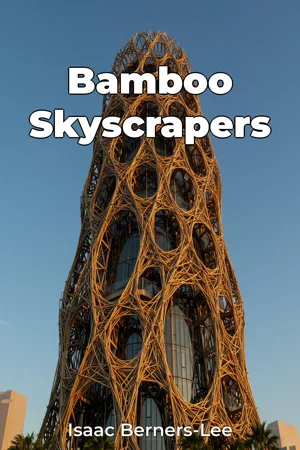
Can bamboo, a material historically relegated to scaffolding and small structures, revolutionize the future of skyscraper construction and offer a sustainable path forward for our urban landscapes? This book, *Bamboo Skyscrapers*, delves into the potential of engineered bamboo as a viable and ecologically responsible alternative to conventional building materials like steel and concrete in high-rise construction. It is aimed at architects, engineers, sustainability experts, and anyone interested in the intersection of innovative technology and environmentally conscious design. The book centers on three core areas: firstly, the material science of engineered bamboo, exploring its strength, durability, and performance under stress; secondly, the architectural and engineering challenges and opportunities presented by using bamboo in skyscraper design; and thirdly, a comprehensive evaluation of the sustainability implications of widespread bamboo adoption in construction, considering its carbon footprint, renewability, and lifecycle impact. These topics are crucial because the construction industry is a significant contributor to global carbon emissions, and finding sustainable alternatives is critical to mitigating climate change. We will provide a comprehensive overview of bamboo’s historical uses in construction, from ancient dwellings to modern bamboo architecture. The reader will gain an understanding of the properties of different bamboo species, as well as the processes involved in creating engineered bamboo products, such as laminated bamboo lumber (LBL) and bamboo-fiber composites. No previous knowledge of materials science or architecture is required, as the book explains technical concepts clearly and concisely. The central argument of *Bamboo Skyscrapers* is that, with proper engineering and design, bamboo can be a structurally sound, aesthetically pleasing, and environmentally superior material for constructing skyscrapers, contributing significantly to a more sustainable built environment. This argument is vital because it challenges the conventional reliance on carbon-intensive materials and offers a tangible pathway for reducing the environmental impact of urbanization. The book is structured in three parts. Part One introduces the concept of sustainable construction and the limitations of traditional materials. It then delves into the properties of bamboo, examining its growth cycle, harvesting techniques, and processing methods. Part Two focuses on the engineering and design aspects of bamboo skyscrapers, covering topics such as structural analysis, connection details, fire resistance, and seismic performance. It also explores innovative architectural designs that leverage the unique properties of bamboo. Part Three evaluates the environmental and economic implications of bamboo skyscrapers, considering factors such as carbon sequestration, land use, transportation, and lifecycle costs. The concluding chapter synthesizes the findings and proposes a roadmap for the wider adoption of bamboo in the construction industry, acknowledging its hurdles and practical steps to wider acceptance. The evidence presented in this book consists of a combination of laboratory test data, computer simulations, case studies of existing bamboo structures, and interviews with leading experts in bamboo engineering and architecture. Unique data sources include proprietary testing results from bamboo composite manufacturers and detailed lifecycle assessments comparing bamboo skyscrapers to those built with conventional materials. The research methodologies include finite element analysis, structural mechanics, and comparative environmental impact assessments. *Bamboo Skyscrapers* also connects to several other fields, including forestry, materials science, and environmental policy. The book highlights how sustainable forest management practices are essential for ensuring a reliable supply of high-quality bamboo, connects the use of bamboo to carbon capture processes and explores how government policies can incentivize the use of bamboo in construction, fostering a green economy. Drawing upon these fields reinforces the argument for bamboo as a holistic solution to sustainable construction. This book sets itself apart by offering a comprehensive, interdisciplinary analysis of bamboo skyscrapers, moving beyond theoretical discussions to provide practical guidance for architects, engineers, and policymakers. It adopts a tone that balances scientific rigor with accessibility, making complex concepts understandable to a broad audience. The book meticulously examines the challenges and opportunities, the scientific data, and practical case studies. The intended audience includes architects seeking innovative and sustainable design solutions, civil engineers interested in exploring alternative construction materials, sustainability consultants advising on green building practices, policymakers developing building codes and environmental regulations; and students in architecture, engineering, and environmental studies. This book will be valuable to them by providing up-to-date information, practical guidance, and a compelling vision for the future of sustainable construction. As a book in the 'Technology, Architecture General, Architecture' genres expects, *Bamboo Skyscrapers* will include detailed technical drawings, photographs, and data tables to illustrate key concepts and findings. The scope of the book is limited to the technical and environmental aspects of bamboo skyscrapers, rather than addressing the social and cultural implications of widespread bamboo construction. The economics will be covered but not in exhaustive detail. Readers will learn how to evaluate the suitability of bamboo for specific construction projects, design structural elements using engineered bamboo products, and assess the environmental impact of bamboo skyscrapers. This knowledge will allow readers to make informed decisions about the use of bamboo in their own work and contribute to a more sustainable built environment. One key debate that the book addresses is the perception of bamboo as a "low-tech" material, arguing that engineered bamboo is a sophisticated and high-performance material that meets the stringent requirements of modern building codes. The book examines this concern by considering the science and testing data available and how the architectural elements can be designed to meet standards.
Can bamboo, a material historically relegated to scaffolding and small structures, revolutionize the future of skyscraper construction and offer a sustainable path forward for our urban landscapes? This book, *Bamboo Skyscrapers*, delves into the potential of engineered bamboo as a viable and ecologically responsible alternative to conventional building materials like steel and concrete in high-rise construction. It is aimed at architects, engineers, sustainability experts, and anyone interested in the intersection of innovative technology and environmentally conscious design. The book centers on three core areas: firstly, the material science of engineered bamboo, exploring its strength, durability, and performance under stress; secondly, the architectural and engineering challenges and opportunities presented by using bamboo in skyscraper design; and thirdly, a comprehensive evaluation of the sustainability implications of widespread bamboo adoption in construction, considering its carbon footprint, renewability, and lifecycle impact. These topics are crucial because the construction industry is a significant contributor to global carbon emissions, and finding sustainable alternatives is critical to mitigating climate change. We will provide a comprehensive overview of bamboo’s historical uses in construction, from ancient dwellings to modern bamboo architecture. The reader will gain an understanding of the properties of different bamboo species, as well as the processes involved in creating engineered bamboo products, such as laminated bamboo lumber (LBL) and bamboo-fiber composites. No previous knowledge of materials science or architecture is required, as the book explains technical concepts clearly and concisely. The central argument of *Bamboo Skyscrapers* is that, with proper engineering and design, bamboo can be a structurally sound, aesthetically pleasing, and environmentally superior material for constructing skyscrapers, contributing significantly to a more sustainable built environment. This argument is vital because it challenges the conventional reliance on carbon-intensive materials and offers a tangible pathway for reducing the environmental impact of urbanization. The book is structured in three parts. Part One introduces the concept of sustainable construction and the limitations of traditional materials. It then delves into the properties of bamboo, examining its growth cycle, harvesting techniques, and processing methods. Part Two focuses on the engineering and design aspects of bamboo skyscrapers, covering topics such as structural analysis, connection details, fire resistance, and seismic performance. It also explores innovative architectural designs that leverage the unique properties of bamboo. Part Three evaluates the environmental and economic implications of bamboo skyscrapers, considering factors such as carbon sequestration, land use, transportation, and lifecycle costs. The concluding chapter synthesizes the findings and proposes a roadmap for the wider adoption of bamboo in the construction industry, acknowledging its hurdles and practical steps to wider acceptance. The evidence presented in this book consists of a combination of laboratory test data, computer simulations, case studies of existing bamboo structures, and interviews with leading experts in bamboo engineering and architecture. Unique data sources include proprietary testing results from bamboo composite manufacturers and detailed lifecycle assessments comparing bamboo skyscrapers to those built with conventional materials. The research methodologies include finite element analysis, structural mechanics, and comparative environmental impact assessments. *Bamboo Skyscrapers* also connects to several other fields, including forestry, materials science, and environmental policy. The book highlights how sustainable forest management practices are essential for ensuring a reliable supply of high-quality bamboo, connects the use of bamboo to carbon capture processes and explores how government policies can incentivize the use of bamboo in construction, fostering a green economy. Drawing upon these fields reinforces the argument for bamboo as a holistic solution to sustainable construction. This book sets itself apart by offering a comprehensive, interdisciplinary analysis of bamboo skyscrapers, moving beyond theoretical discussions to provide practical guidance for architects, engineers, and policymakers. It adopts a tone that balances scientific rigor with accessibility, making complex concepts understandable to a broad audience. The book meticulously examines the challenges and opportunities, the scientific data, and practical case studies. The intended audience includes architects seeking innovative and sustainable design solutions, civil engineers interested in exploring alternative construction materials, sustainability consultants advising on green building practices, policymakers developing building codes and environmental regulations; and students in architecture, engineering, and environmental studies. This book will be valuable to them by providing up-to-date information, practical guidance, and a compelling vision for the future of sustainable construction. As a book in the 'Technology, Architecture General, Architecture' genres expects, *Bamboo Skyscrapers* will include detailed technical drawings, photographs, and data tables to illustrate key concepts and findings. The scope of the book is limited to the technical and environmental aspects of bamboo skyscrapers, rather than addressing the social and cultural implications of widespread bamboo construction. The economics will be covered but not in exhaustive detail. Readers will learn how to evaluate the suitability of bamboo for specific construction projects, design structural elements using engineered bamboo products, and assess the environmental impact of bamboo skyscrapers. This knowledge will allow readers to make informed decisions about the use of bamboo in their own work and contribute to a more sustainable built environment. One key debate that the book addresses is the perception of bamboo as a "low-tech" material, arguing that engineered bamboo is a sophisticated and high-performance material that meets the stringent requirements of modern building codes. The book examines this concern by considering the science and testing data available and how the architectural elements can be designed to meet standards.
"Bamboo Skyscrapers" explores the potential of engineered bamboo to revolutionize high-rise construction, offering a sustainable alternative to traditional materials like steel and concrete. The book argues that bamboo, with proper engineering and design, can be structurally sound, aesthetically pleasing, and environmentally superior. Did you know that the construction industry is a major contributor to global carbon emissions, and bamboo offers a way to significantly reduce the environmental impact of urbanization? The book highlights bamboo's renewability and ability to sequester carbon as key advantages. The approach used in "Bamboo Skyscrapers" begins with an introduction to sustainable construction, followed by the material properties of bamboo, the engineering and design considerations for high-rise buildings, and finally, the environmental and economic implications. Detailed technical drawings, photographs, and data tables illustrate key concepts. The book challenges the perception of bamboo as a "low-tech" material, presenting engineered bamboo as a sophisticated, high-performance material that meets stringent building codes.
Book Details
ISBN
9788233975562
Publisher
Publifye AS
Your Licenses
You don't own any licenses for this book
Purchase a license below to unlock this book and download the EPUB.
Purchase License
Select a tier to unlock this book
Need bulk licensing?
Contact us for enterprise agreements.