
About This Book
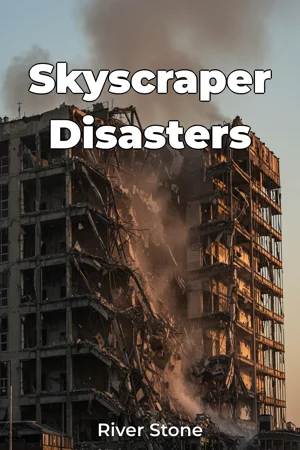
What happens when towering symbols of human ingenuity become monuments to disaster? "Skyscraper Disasters" delves into the history of high-rise failures and collapses, extracting critical lessons from past tragedies to inform safer and more resilient architectural practices. This book examines the complex interplay of design flaws, material failures, construction errors, and external forces that have led to catastrophic events in skyscraper history. These topics are vital for engineers, architects, and anyone involved in urban planning and construction, as well as those interested in the history of structural engineering. The narrative unfolds against a backdrop of rapidly evolving architectural and engineering practices. Since the late 19th century, the race to build ever taller structures has often outpaced our understanding of material science and structural dynamics. Social and economic pressures frequently influence construction decisions, sometimes leading to compromised safety standards. Understanding this context is essential for evaluating the causes and consequences of skyscraper failures. The central argument of the book is that a thorough understanding of past skyscraper disasters is crucial for preventing future tragedies. By meticulously analyzing the causes of these failures, we can identify recurring patterns and develop more robust design and construction methods. This knowledge is not merely academic; it has direct implications for saving lives, protecting property, and ensuring the sustainability of our urban environments. The book begins by introducing the fundamental principles of structural engineering relevant to skyscraper design and construction. It proceeds with detailed case studies of several notable skyscraper disasters, exploring events such as structural collapses due to design errors, fires, and impacts from external forces. The analysis of each disaster highlights the specific factors that contributed to the failure and the subsequent lessons learned. The book culminates in a discussion of current best practices in skyscraper design and construction, emphasizing the importance of rigorous testing, advanced materials, and comprehensive risk management. The evidence presented in "Skyscraper Disasters" draws from a variety of sources, including official investigation reports, engineering analyses, eyewitness accounts, and archival materials. Unique data sets, such as records of material testing and construction inspections, will be included where available, along with photographic documentation. This book connects to several interdisciplinary fields, including materials science, risk management, and urban planning. The examination of material failures draws upon principles of materials science to explain how material properties can contribute to structural instability. The analysis of risk management techniques highlights the importance of identifying and mitigating potential hazards during the design and construction phases. The discussion of urban planning considers the broader social and environmental impacts of skyscraper development. "Skyscraper Disasters" takes a unique approach by combining historical analysis with engineering insights. The book avoids sensationalism, focusing instead on a rigorous and objective examination of the technical factors that contribute to skyscraper failures. The book is written in a clear and accessible style, making it suitable for a broad audience. While technical concepts are explained in detail, the writing avoids overly technical jargon, ensuring that readers with varying backgrounds can understand the material. The primary audience for "Skyscraper Disasters" includes architecture students, practicing architects, structural engineers, construction managers, and urban planners. It would also appeal to anyone interested in engineering history, disaster analysis, and the built environment. As a work of non-fiction, this book adheres to the principles of accuracy, objectivity, and evidence-based analysis. All claims are supported by credible sources, and the analysis is presented in a fair and balanced manner. The book's scope is limited to structural failures and collapses of skyscrapers, excluding other types of building disasters. The focus is primarily on events that occurred in the 20th and 21st centuries, with an emphasis on case studies that offer valuable lessons for contemporary practice. The information presented in "Skyscraper Disasters" can be applied in a number of practical ways. By understanding the lessons learned from past disasters, engineers and architects can design safer and more resilient structures. Construction managers can implement more effective quality control procedures, and urban planners can make more informed decisions about skyscraper development. While the engineering community generally agrees on the importance of learning from past failures, debates persist regarding the appropriate level of safety factors in skyscraper design and the role of government regulation in ensuring structural integrity. These debates are addressed in the book.
What happens when towering symbols of human ingenuity become monuments to disaster? "Skyscraper Disasters" delves into the history of high-rise failures and collapses, extracting critical lessons from past tragedies to inform safer and more resilient architectural practices. This book examines the complex interplay of design flaws, material failures, construction errors, and external forces that have led to catastrophic events in skyscraper history. These topics are vital for engineers, architects, and anyone involved in urban planning and construction, as well as those interested in the history of structural engineering. The narrative unfolds against a backdrop of rapidly evolving architectural and engineering practices. Since the late 19th century, the race to build ever taller structures has often outpaced our understanding of material science and structural dynamics. Social and economic pressures frequently influence construction decisions, sometimes leading to compromised safety standards. Understanding this context is essential for evaluating the causes and consequences of skyscraper failures. The central argument of the book is that a thorough understanding of past skyscraper disasters is crucial for preventing future tragedies. By meticulously analyzing the causes of these failures, we can identify recurring patterns and develop more robust design and construction methods. This knowledge is not merely academic; it has direct implications for saving lives, protecting property, and ensuring the sustainability of our urban environments. The book begins by introducing the fundamental principles of structural engineering relevant to skyscraper design and construction. It proceeds with detailed case studies of several notable skyscraper disasters, exploring events such as structural collapses due to design errors, fires, and impacts from external forces. The analysis of each disaster highlights the specific factors that contributed to the failure and the subsequent lessons learned. The book culminates in a discussion of current best practices in skyscraper design and construction, emphasizing the importance of rigorous testing, advanced materials, and comprehensive risk management. The evidence presented in "Skyscraper Disasters" draws from a variety of sources, including official investigation reports, engineering analyses, eyewitness accounts, and archival materials. Unique data sets, such as records of material testing and construction inspections, will be included where available, along with photographic documentation. This book connects to several interdisciplinary fields, including materials science, risk management, and urban planning. The examination of material failures draws upon principles of materials science to explain how material properties can contribute to structural instability. The analysis of risk management techniques highlights the importance of identifying and mitigating potential hazards during the design and construction phases. The discussion of urban planning considers the broader social and environmental impacts of skyscraper development. "Skyscraper Disasters" takes a unique approach by combining historical analysis with engineering insights. The book avoids sensationalism, focusing instead on a rigorous and objective examination of the technical factors that contribute to skyscraper failures. The book is written in a clear and accessible style, making it suitable for a broad audience. While technical concepts are explained in detail, the writing avoids overly technical jargon, ensuring that readers with varying backgrounds can understand the material. The primary audience for "Skyscraper Disasters" includes architecture students, practicing architects, structural engineers, construction managers, and urban planners. It would also appeal to anyone interested in engineering history, disaster analysis, and the built environment. As a work of non-fiction, this book adheres to the principles of accuracy, objectivity, and evidence-based analysis. All claims are supported by credible sources, and the analysis is presented in a fair and balanced manner. The book's scope is limited to structural failures and collapses of skyscrapers, excluding other types of building disasters. The focus is primarily on events that occurred in the 20th and 21st centuries, with an emphasis on case studies that offer valuable lessons for contemporary practice. The information presented in "Skyscraper Disasters" can be applied in a number of practical ways. By understanding the lessons learned from past disasters, engineers and architects can design safer and more resilient structures. Construction managers can implement more effective quality control procedures, and urban planners can make more informed decisions about skyscraper development. While the engineering community generally agrees on the importance of learning from past failures, debates persist regarding the appropriate level of safety factors in skyscraper design and the role of government regulation in ensuring structural integrity. These debates are addressed in the book.
"Skyscraper Disasters" explores the history of high-rise structural failures, emphasizing the critical lessons learned from past tragedies. It argues that understanding these disasters is crucial for preventing future incidents by examining design flaws, material failures, and construction errors. One intriguing fact is that the race to build taller structures has sometimes outpaced our understanding of material science, leading to compromised safety standards. The book uniquely combines historical analysis with engineering insights, avoiding sensationalism to focus on objective technical factors. The book begins by introducing fundamental structural engineering principles relevant to skyscraper design. It then progresses through detailed case studies of notable skyscraper disasters, showing how specific factors contributed to each failure. For example, it explores structural collapses caused by design errors, fires, and external impacts. This approach helps identify recurring patterns in failures and develop more robust design methods. The book culminates in a discussion of current best practices, highlighting the importance of rigorous testing, advanced materials, and comprehensive risk management in architectural design and structural engineering. By drawing from investigation reports, engineering analyses, and eyewitness accounts, "Skyscraper Disasters" provides vital information for architects, engineers, urban planners, and anyone interested in the history of architecture.
Book Details
ISBN
9788233975548
Publisher
Publifye AS
Your Licenses
You don't own any licenses for this book
Purchase a license below to unlock this book and download the EPUB.
Purchase License
Select a tier to unlock this book
Need bulk licensing?
Contact us for enterprise agreements.