
About This Book
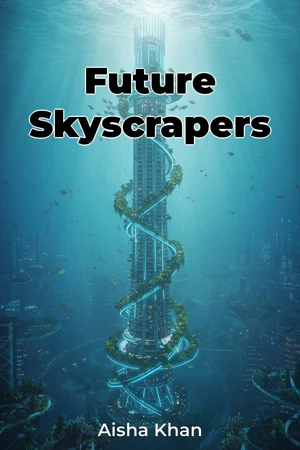
What if our cities could soar beyond current limitations, defying gravity and even inhabiting the depths of the ocean? "Future Skyscrapers" embarks on a journey into the realm of architectural innovation, exploring the potential for radical skyscraper designs that could redefine urban landscapes in the decades to come. This book examines the technological advancements, engineering feats, and visionary concepts that are paving the way for structures that were once confined to the realm of science fiction. Central to our exploration are three pivotal themes: the pursuit of sustainable vertical urbanism, the integration of cutting-edge materials and technologies, and the reimagining of structural design to overcome environmental and spatial constraints. These topics are crucial because they address the growing need for innovative solutions to urbanization challenges, resource limitations, and the impact of climate change on our built environment. To understand the trajectory of skyscraper design, we delve into the historical evolution of skyscraper construction, from the steel-framed giants of the early 20th century to the energy-efficient towers of today. We examine the social and economic factors that have driven the construction of ever-taller buildings, and the environmental consequences that we must now address. The core argument of "Future Skyscrapers" is that radical innovation in skyscraper design is not merely a matter of technological possibility, but a necessity for creating sustainable, resilient, and livable cities in the future. This argument is of paramount importance as urban populations continue to grow and resource scarcity becomes an increasing concern. The book unfolds in a structured progression. First, it introduces the fundamental concepts of advanced structural engineering, materials science, and sustainable design principles that underpin the future of skyscraper construction. Second, the book explores specific futuristic concepts such as floating skyscrapers designed to adapt to rising sea levels, underwater habitats that offer new possibilities in marine environments; and space elevators that promise to revolutionize access to outer space. Each concept is examined in terms of its technical feasibility, environmental impact, and potential social benefits. Third, the book culminates in a discussion of the practical challenges and ethical considerations associated with bringing these futuristic visions to reality. We explore potential applications, such as disaster relief housing, research facilities, and self-sustaining ecosystems. Throughout, the book draws upon a wide range of evidence, including architectural plans, engineering simulations, materials testing data, and case studies of innovative building projects from around the world. We also incorporate insights from interviews with leading architects, engineers, and urban planners, providing a multifaceted perspective on the future of skyscraper design. "Future Skyscrapers" connects to several interdisciplinary fields, including environmental science, urban planning, and sociology. By examining the environmental impact of skyscraper construction, the book contributes to the ongoing debate about sustainable development. By exploring the social implications of vertical urbanism, the book offers insights into the design of inclusive and equitable cities. A unique aspect of this book lies in its forward-looking approach. Rather than simply describing existing technologies, we speculate on emerging trends and potential breakthroughs that could transform the built environment. The tone is authoritative and informative, presenting complex technical concepts in a clear and accessible manner. This book aims to educate and inspire a wide audience of readers, including students, architects, engineers, urban planners, policymakers, and anyone with an interest in the future of cities. It will be valuable by providing a comprehensive overview of the technical challenges and creative solutions that are shaping the next generation of skyscrapers. As a work in the architecture genre, "Future Skyscrapers" adheres to the conventions of presenting detailed technical information, visual aids such as diagrams and illustrations, and case studies of real-world projects. The scope of this book is limited to the design and construction of skyscrapers, focusing primarily on technological and environmental considerations. We acknowledge that there are many other important aspects of urban development, such as social equity and economic inequality, which are beyond the scope of this study. The concepts discussed could be applied to the design of more sustainable and resilient cities, the development of new building materials and technologies, and the creation of more equitable and livable urban environments. We address ongoing debates about the environmental impact of skyscrapers, the feasibility of certain futuristic concepts, and the ethical considerations associated with pursuing radical architectural innovations.
What if our cities could soar beyond current limitations, defying gravity and even inhabiting the depths of the ocean? "Future Skyscrapers" embarks on a journey into the realm of architectural innovation, exploring the potential for radical skyscraper designs that could redefine urban landscapes in the decades to come. This book examines the technological advancements, engineering feats, and visionary concepts that are paving the way for structures that were once confined to the realm of science fiction. Central to our exploration are three pivotal themes: the pursuit of sustainable vertical urbanism, the integration of cutting-edge materials and technologies, and the reimagining of structural design to overcome environmental and spatial constraints. These topics are crucial because they address the growing need for innovative solutions to urbanization challenges, resource limitations, and the impact of climate change on our built environment. To understand the trajectory of skyscraper design, we delve into the historical evolution of skyscraper construction, from the steel-framed giants of the early 20th century to the energy-efficient towers of today. We examine the social and economic factors that have driven the construction of ever-taller buildings, and the environmental consequences that we must now address. The core argument of "Future Skyscrapers" is that radical innovation in skyscraper design is not merely a matter of technological possibility, but a necessity for creating sustainable, resilient, and livable cities in the future. This argument is of paramount importance as urban populations continue to grow and resource scarcity becomes an increasing concern. The book unfolds in a structured progression. First, it introduces the fundamental concepts of advanced structural engineering, materials science, and sustainable design principles that underpin the future of skyscraper construction. Second, the book explores specific futuristic concepts such as floating skyscrapers designed to adapt to rising sea levels, underwater habitats that offer new possibilities in marine environments; and space elevators that promise to revolutionize access to outer space. Each concept is examined in terms of its technical feasibility, environmental impact, and potential social benefits. Third, the book culminates in a discussion of the practical challenges and ethical considerations associated with bringing these futuristic visions to reality. We explore potential applications, such as disaster relief housing, research facilities, and self-sustaining ecosystems. Throughout, the book draws upon a wide range of evidence, including architectural plans, engineering simulations, materials testing data, and case studies of innovative building projects from around the world. We also incorporate insights from interviews with leading architects, engineers, and urban planners, providing a multifaceted perspective on the future of skyscraper design. "Future Skyscrapers" connects to several interdisciplinary fields, including environmental science, urban planning, and sociology. By examining the environmental impact of skyscraper construction, the book contributes to the ongoing debate about sustainable development. By exploring the social implications of vertical urbanism, the book offers insights into the design of inclusive and equitable cities. A unique aspect of this book lies in its forward-looking approach. Rather than simply describing existing technologies, we speculate on emerging trends and potential breakthroughs that could transform the built environment. The tone is authoritative and informative, presenting complex technical concepts in a clear and accessible manner. This book aims to educate and inspire a wide audience of readers, including students, architects, engineers, urban planners, policymakers, and anyone with an interest in the future of cities. It will be valuable by providing a comprehensive overview of the technical challenges and creative solutions that are shaping the next generation of skyscrapers. As a work in the architecture genre, "Future Skyscrapers" adheres to the conventions of presenting detailed technical information, visual aids such as diagrams and illustrations, and case studies of real-world projects. The scope of this book is limited to the design and construction of skyscrapers, focusing primarily on technological and environmental considerations. We acknowledge that there are many other important aspects of urban development, such as social equity and economic inequality, which are beyond the scope of this study. The concepts discussed could be applied to the design of more sustainable and resilient cities, the development of new building materials and technologies, and the creation of more equitable and livable urban environments. We address ongoing debates about the environmental impact of skyscrapers, the feasibility of certain futuristic concepts, and the ethical considerations associated with pursuing radical architectural innovations.
"Future Skyscrapers" explores radical architectural innovation and the potential to redefine urban landscapes through visionary skyscraper designs. It examines how technological advancements and engineering feats are making structures once relegated to science fiction, a tangible possibility. The book highlights the necessity of sustainable vertical urbanism, the integration of cutting-edge materials, and reimagined structural designs to address urbanization challenges and climate change impacts. The book progresses from the historical evolution of skyscrapers to futuristic concepts like floating skyscrapers and space elevators. It delves into the technical feasibility, environmental impact, and potential social benefits of each concept, while also acknowledging the practical challenges and ethical considerations. Through architectural plans, engineering simulations, and case studies, "Future Skyscrapers" presents a comprehensive look at the future of skyscraper design, emphasizing the need for sustainable, resilient, and livable cities.
Book Details
ISBN
9788233975524
Publisher
Publifye AS
Your Licenses
You don't own any licenses for this book
Purchase a license below to unlock this book and download the EPUB.
Purchase License
Select a tier to unlock this book
Need bulk licensing?
Contact us for enterprise agreements.