
About This Book
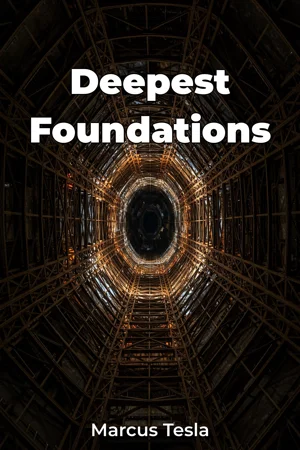
How deep must we dig to reach the sky? "Deepest Foundations" explores the hidden engineering marvels that underpin the world's tallest skyscrapers, revealing the intricate dance between architectural ambition and subterranean realities. This book delves into the realm where technology, architecture, and geology converge, examining the construction of the unseen foundations that allow these colossal structures to defy gravity. The book focuses on three central themes: innovative foundation technologies, the geological challenges of urban construction, and the long-term sustainability and resilience of supertall buildings. These topics are paramount in an era of increasing urbanization and the relentless pursuit of vertical expansion. Understanding these foundations is vital, as they are not merely supports, but intricate systems that ensure the structural integrity and longevity of these modern wonders and the safety of their occupants. We begin by establishing a historical context, examining the evolution of foundation engineering from rudimentary techniques to sophisticated geotechnical solutions. The book requires no prior expertise but provides a comprehensive overview of soil mechanics, structural engineering principles, and the architectural drivers behind the construction of supertall buildings. The core argument of "Deepest Foundations" asserts that the success of any supertall skyscraper is inextricably linked to the ingenuity and rigor applied to its underground foundations. This argument is critical because it shifts the focus from the visible spectacle of towering structures to the often-overlooked, yet equally impressive, engineering feats that make them possible. The book unfolds in three major parts. First, we introduce the fundamental concepts of foundation design, including load transfer mechanisms, soil-structure interaction, and the various types of deep foundation systems, such as piles, caissons, and diaphragm walls. Second, the book delves into case studies of specific skyscrapers around the globe, analyzing the unique geological challenges encountered at each site and the innovative engineering solutions implemented to overcome them. We will closely examine buildings in locations with complex soil conditions, high water tables, or seismic activity. Third, we explore the future of foundation engineering, focusing on emerging technologies such as ground improvement techniques, advanced monitoring systems, and sustainable construction practices. This includes a discussion of how foundations can be designed to adapt to changing environmental conditions, such as rising sea levels and increased frequency of extreme weather events. The book's arguments are supported by a wealth of evidence, including geotechnical reports, structural analysis data, and engineering drawings, all of which provide a detailed understanding of the design and construction processes involved. We also draw upon interviews with leading architects, engineers, and construction professionals who have been directly involved in these projects, providing firsthand accounts of the challenges and triumphs encountered. "Deepest Foundations" connects to several other disciplines, including geology, environmental science, and urban planning. The geological context of each building site is crucial for understanding the challenges of foundation design, while environmental considerations play an increasingly important role in promoting sustainable construction practices. Furthermore, the success of supertall buildings depends on careful urban planning to ensure that they are integrated seamlessly into the surrounding environment. A unique aspect of this book is its focus on the integration of cutting-edge technology and sustainable practices in foundation engineering. It emphasizes the importance of designing foundations that not only support the weight of the skyscraper but also minimize their environmental impact and enhance their resilience to natural hazards. This is presented using a fact-based, descriptive style. The intended audience includes architects, engineers, construction professionals, and anyone with an interest in the design and construction of supertall buildings. It offers valuable insights into the technical challenges and innovative solutions involved in creating these architectural marvels. As a work of non-fiction, it adheres to the genre's emphasis on factual accuracy, objectivity, and evidence-based arguments. The book has a global scope, examining skyscrapers from around the world, but it also acknowledges the limitations of focusing on a select number of case studies. This intentional limitation allows for a more in-depth analysis of the specific challenges and solutions involved in each project. The information presented has several real-world applications, including informing the design and construction of future skyscrapers, improving the resilience of existing buildings, and promoting sustainable construction practices. While the core principles of geotechnical engineering are well-established, there are ongoing debates about the best practices for designing foundations in extreme environments, such as areas with high seismic activity or unstable soil conditions. The book addresses these controversies by presenting different perspectives and offering evidence-based recommendations.
How deep must we dig to reach the sky? "Deepest Foundations" explores the hidden engineering marvels that underpin the world's tallest skyscrapers, revealing the intricate dance between architectural ambition and subterranean realities. This book delves into the realm where technology, architecture, and geology converge, examining the construction of the unseen foundations that allow these colossal structures to defy gravity. The book focuses on three central themes: innovative foundation technologies, the geological challenges of urban construction, and the long-term sustainability and resilience of supertall buildings. These topics are paramount in an era of increasing urbanization and the relentless pursuit of vertical expansion. Understanding these foundations is vital, as they are not merely supports, but intricate systems that ensure the structural integrity and longevity of these modern wonders and the safety of their occupants. We begin by establishing a historical context, examining the evolution of foundation engineering from rudimentary techniques to sophisticated geotechnical solutions. The book requires no prior expertise but provides a comprehensive overview of soil mechanics, structural engineering principles, and the architectural drivers behind the construction of supertall buildings. The core argument of "Deepest Foundations" asserts that the success of any supertall skyscraper is inextricably linked to the ingenuity and rigor applied to its underground foundations. This argument is critical because it shifts the focus from the visible spectacle of towering structures to the often-overlooked, yet equally impressive, engineering feats that make them possible. The book unfolds in three major parts. First, we introduce the fundamental concepts of foundation design, including load transfer mechanisms, soil-structure interaction, and the various types of deep foundation systems, such as piles, caissons, and diaphragm walls. Second, the book delves into case studies of specific skyscrapers around the globe, analyzing the unique geological challenges encountered at each site and the innovative engineering solutions implemented to overcome them. We will closely examine buildings in locations with complex soil conditions, high water tables, or seismic activity. Third, we explore the future of foundation engineering, focusing on emerging technologies such as ground improvement techniques, advanced monitoring systems, and sustainable construction practices. This includes a discussion of how foundations can be designed to adapt to changing environmental conditions, such as rising sea levels and increased frequency of extreme weather events. The book's arguments are supported by a wealth of evidence, including geotechnical reports, structural analysis data, and engineering drawings, all of which provide a detailed understanding of the design and construction processes involved. We also draw upon interviews with leading architects, engineers, and construction professionals who have been directly involved in these projects, providing firsthand accounts of the challenges and triumphs encountered. "Deepest Foundations" connects to several other disciplines, including geology, environmental science, and urban planning. The geological context of each building site is crucial for understanding the challenges of foundation design, while environmental considerations play an increasingly important role in promoting sustainable construction practices. Furthermore, the success of supertall buildings depends on careful urban planning to ensure that they are integrated seamlessly into the surrounding environment. A unique aspect of this book is its focus on the integration of cutting-edge technology and sustainable practices in foundation engineering. It emphasizes the importance of designing foundations that not only support the weight of the skyscraper but also minimize their environmental impact and enhance their resilience to natural hazards. This is presented using a fact-based, descriptive style. The intended audience includes architects, engineers, construction professionals, and anyone with an interest in the design and construction of supertall buildings. It offers valuable insights into the technical challenges and innovative solutions involved in creating these architectural marvels. As a work of non-fiction, it adheres to the genre's emphasis on factual accuracy, objectivity, and evidence-based arguments. The book has a global scope, examining skyscrapers from around the world, but it also acknowledges the limitations of focusing on a select number of case studies. This intentional limitation allows for a more in-depth analysis of the specific challenges and solutions involved in each project. The information presented has several real-world applications, including informing the design and construction of future skyscrapers, improving the resilience of existing buildings, and promoting sustainable construction practices. While the core principles of geotechnical engineering are well-established, there are ongoing debates about the best practices for designing foundations in extreme environments, such as areas with high seismic activity or unstable soil conditions. The book addresses these controversies by presenting different perspectives and offering evidence-based recommendations.
"Deepest Foundations" unveils the unseen world beneath skyscrapers, exploring the crucial role of foundation engineering in supporting these architectural giants. It examines how technology, architecture, and geological challenges intertwine to create stable bases for supertall buildings. The book highlights that these foundations are not merely supports but intricate systems vital for structural integrity and occupant safety. For instance, innovative techniques are required to overcome geological hurdles such as high water tables or unstable soil conditions. The book progresses through fundamental concepts of foundation design, case studies of global skyscrapers, and emerging technologies in the field. A key focus is on sustainable construction practices and building resilience against environmental changes. It reveals that the success of supertall buildings depends on the ingenuity applied to these underground structures. The book emphasizes the integration of technology and sustainability in foundation engineering, showcasing designs minimizing environmental impact and enhancing resilience to natural hazards.
Book Details
ISBN
9788233975494
Publisher
Publifye AS
Your Licenses
You don't own any licenses for this book
Purchase a license below to unlock this book and download the EPUB.
Purchase License
Select a tier to unlock this book
Need bulk licensing?
Contact us for enterprise agreements.