
About This Book
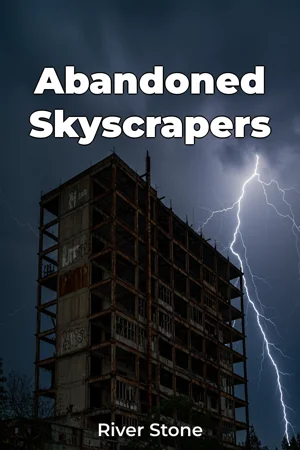
Why do some skyscrapers, symbols of ambition and progress, stand incomplete, abandoned, or repurposed, becoming silent witnesses to unrealized dreams? This book, "Abandoned Skyscrapers," delves into the complex histories and architectural intricacies of these forgotten giants, exploring the multifaceted reasons behind their failures and transformations. This exploration is vital because these structures represent more than just architectural mishaps; they embody economic shifts, technological challenges, and societal changes that shape our urban landscapes. Understanding their stories offers valuable insights into the risks and rewards of architectural innovation and urban development. We examine these abandoned and repurposed skyscrapers through three primary lenses. First, we explore the economic factors that often trigger abandonment, such as financial crises, market downturns, and speculative bubbles that burst, leaving projects without funding. Second, the book investigates the role of technological advancements and limitations, analyzing how outdated designs, material constraints, or construction challenges contribute to project stagnation. Third, we consider the social and political factors, including shifting demographics, changing urban planning priorities, and regulatory hurdles that can render a skyscraper obsolete or unsuitable for its original purpose. The central argument is that abandoned skyscrapers are not merely failures but rather potent symbols of the dynamic and often unpredictable forces that shape our built environment. By understanding the confluence of economic, technological, and social factors that lead to their downfall or transformation, we can gain a deeper appreciation for the complexities of urban planning and architectural innovation. The book unfolds in three distinct sections. The first section introduces the concept of the "failed skyscraper" and provides a historical overview of significant abandoned or repurposed projects from the late 19th century to the present day. It establishes a framework for understanding the various factors that contribute to their fate. The second section delves into specific case studies, examining projects like the Ryugyong Hotel in North Korea, the Torre David in Venezuela, and various unfinished towers in Detroit. Each case study meticulously analyzes the economic, technological, and social circumstances that led to the building's abandonment or repurposing. The third section synthesizes these findings, drawing broader conclusions about the trends and patterns that characterize the phenomenon of the abandoned skyscraper. It also explores potential strategies for preventing future failures and repurposing existing structures in innovative ways. The evidence presented in this book relies on a combination of archival research, architectural plans, financial reports, and on-site investigations. It incorporates data from sources such as historical newspapers, construction permits, property records, and interviews with architects, developers, and urban planners involved in these projects. A unique aspect of the research involves analyzing satellite imagery and drone footage to document the physical condition of these buildings over time. "Abandoned Skyscrapers" connects to several interdisciplinary fields including economics, sociology, and urban planning. The economic analysis examines the role of financial markets and real estate cycles in shaping architectural projects. The sociological perspective explores how social trends and demographic shifts influence the demand for different types of buildings. The urban planning aspect considers how zoning regulations and infrastructure development impact the viability of skyscraper projects. This book takes a novel approach by combining historical analysis with contemporary architectural theory to provide a comprehensive understanding of the abandoned skyscraper phenomenon. It moves beyond simplistic explanations of failure to explore the complex interplay of factors that contribute to their fate. The tone throughout is academic, factual, and analytical, presenting complex information in a clear and accessible manner. The writing style aims to be engaging providing a narrative that will be of interest to a broad audience. The intended audience includes architects, urban planners, historians, students, and anyone interested in the history and architecture of cities. This topic will be valuable because it provides new perspective of the built environment, highlighting the importance of sustainable development and responsible urban planning. As a work of architectural history, this book adheres to the conventions of rigorous research, detailed analysis, and objective reporting. It incorporates primary source materials and scholarly interpretations to provide a comprehensive and well-documented account of abandoned skyscrapers. The scope of this book encompasses a global range of case studies, focusing on skyscrapers that have been abandoned, left unfinished for extended periods, or repurposed for uses significantly different from their original intent. It focuses primarily on buildings exceeding a certain height threshold, typically defined as over 40 stories or 150 meters. The book acknowledges limitations in accessing certain sites due to political restrictions or safety concerns. The information in this book can be applied practically by urban planners, developers, and architects in several ways. It provides valuable lessons about the importance of conducting thorough market research, assessing technological risks, and considering the social and environmental impact of skyscraper projects. It can also inform strategies for repurposing existing structures to meet changing societal needs, promoting sustainability and reducing waste. While there is general agreement on the definition of a skyscraper, debates exist regarding the ethical considerations of building excessively tall structures in certain contexts, particularly in areas with limited resources or significant social inequalities. This book touches upon these controversies, examining the arguments for and against skyscraper development in different parts of the world.
Why do some skyscrapers, symbols of ambition and progress, stand incomplete, abandoned, or repurposed, becoming silent witnesses to unrealized dreams? This book, "Abandoned Skyscrapers," delves into the complex histories and architectural intricacies of these forgotten giants, exploring the multifaceted reasons behind their failures and transformations. This exploration is vital because these structures represent more than just architectural mishaps; they embody economic shifts, technological challenges, and societal changes that shape our urban landscapes. Understanding their stories offers valuable insights into the risks and rewards of architectural innovation and urban development. We examine these abandoned and repurposed skyscrapers through three primary lenses. First, we explore the economic factors that often trigger abandonment, such as financial crises, market downturns, and speculative bubbles that burst, leaving projects without funding. Second, the book investigates the role of technological advancements and limitations, analyzing how outdated designs, material constraints, or construction challenges contribute to project stagnation. Third, we consider the social and political factors, including shifting demographics, changing urban planning priorities, and regulatory hurdles that can render a skyscraper obsolete or unsuitable for its original purpose. The central argument is that abandoned skyscrapers are not merely failures but rather potent symbols of the dynamic and often unpredictable forces that shape our built environment. By understanding the confluence of economic, technological, and social factors that lead to their downfall or transformation, we can gain a deeper appreciation for the complexities of urban planning and architectural innovation. The book unfolds in three distinct sections. The first section introduces the concept of the "failed skyscraper" and provides a historical overview of significant abandoned or repurposed projects from the late 19th century to the present day. It establishes a framework for understanding the various factors that contribute to their fate. The second section delves into specific case studies, examining projects like the Ryugyong Hotel in North Korea, the Torre David in Venezuela, and various unfinished towers in Detroit. Each case study meticulously analyzes the economic, technological, and social circumstances that led to the building's abandonment or repurposing. The third section synthesizes these findings, drawing broader conclusions about the trends and patterns that characterize the phenomenon of the abandoned skyscraper. It also explores potential strategies for preventing future failures and repurposing existing structures in innovative ways. The evidence presented in this book relies on a combination of archival research, architectural plans, financial reports, and on-site investigations. It incorporates data from sources such as historical newspapers, construction permits, property records, and interviews with architects, developers, and urban planners involved in these projects. A unique aspect of the research involves analyzing satellite imagery and drone footage to document the physical condition of these buildings over time. "Abandoned Skyscrapers" connects to several interdisciplinary fields including economics, sociology, and urban planning. The economic analysis examines the role of financial markets and real estate cycles in shaping architectural projects. The sociological perspective explores how social trends and demographic shifts influence the demand for different types of buildings. The urban planning aspect considers how zoning regulations and infrastructure development impact the viability of skyscraper projects. This book takes a novel approach by combining historical analysis with contemporary architectural theory to provide a comprehensive understanding of the abandoned skyscraper phenomenon. It moves beyond simplistic explanations of failure to explore the complex interplay of factors that contribute to their fate. The tone throughout is academic, factual, and analytical, presenting complex information in a clear and accessible manner. The writing style aims to be engaging providing a narrative that will be of interest to a broad audience. The intended audience includes architects, urban planners, historians, students, and anyone interested in the history and architecture of cities. This topic will be valuable because it provides new perspective of the built environment, highlighting the importance of sustainable development and responsible urban planning. As a work of architectural history, this book adheres to the conventions of rigorous research, detailed analysis, and objective reporting. It incorporates primary source materials and scholarly interpretations to provide a comprehensive and well-documented account of abandoned skyscrapers. The scope of this book encompasses a global range of case studies, focusing on skyscrapers that have been abandoned, left unfinished for extended periods, or repurposed for uses significantly different from their original intent. It focuses primarily on buildings exceeding a certain height threshold, typically defined as over 40 stories or 150 meters. The book acknowledges limitations in accessing certain sites due to political restrictions or safety concerns. The information in this book can be applied practically by urban planners, developers, and architects in several ways. It provides valuable lessons about the importance of conducting thorough market research, assessing technological risks, and considering the social and environmental impact of skyscraper projects. It can also inform strategies for repurposing existing structures to meet changing societal needs, promoting sustainability and reducing waste. While there is general agreement on the definition of a skyscraper, debates exist regarding the ethical considerations of building excessively tall structures in certain contexts, particularly in areas with limited resources or significant social inequalities. This book touches upon these controversies, examining the arguments for and against skyscraper development in different parts of the world.
"Abandoned Skyscrapers" explores the intriguing stories behind unfinished or repurposed high-rises, examining why these architectural marvels sometimes fail to meet their intended purpose. These structures, initially symbols of progress, often become testaments to economic downturns, technological limitations, and shifting social landscapes. From the infamous Ryugyong Hotel in North Korea to the Torre David in Venezuela, the book delves into the complex reasons behind their abandonment or adaptation, providing insight into the volatile nature of urban development. The book uniquely approaches the topic by viewing these skyscrapers not as failures, but as indicators of the dynamic forces shaping our cities. It investigates economic factors like bursting speculative bubbles, technological challenges such as outdated designs, and social factors including changing urban priorities. By combining historical analysis with architectural theory, "Abandoned Skyscrapers" offers a comprehensive look at how and why these ambitious projects falter. The book progresses by first introducing the "failed skyscraper" concept with a historical overview, then moves into specific case studies, and concludes by synthesizing findings to identify trends and potential strategies for preventing future failures and repurposing existing structures. Through archival research, architectural plans, and on-site investigations, it highlights the importance of sustainable development and responsible urban planning in the context of these architectural mishaps.
Book Details
ISBN
9788233975456
Publisher
Publifye AS
Your Licenses
You don't own any licenses for this book
Purchase a license below to unlock this book and download the EPUB.
Purchase License
Select a tier to unlock this book
Need bulk licensing?
Contact us for enterprise agreements.