
About This Book
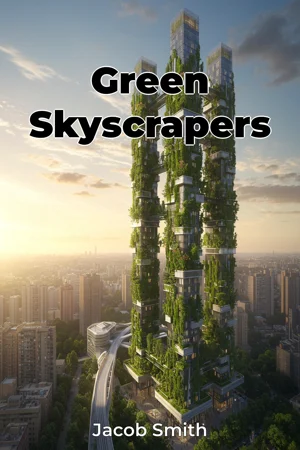
Can skyscrapers be more than just symbols of urban density? Can they become vital components of a sustainable future? "Green Skyscrapers" explores the innovative designs and technologies transforming these monumental structures into models of environmental responsibility. This book delves into the critical role of eco-friendly architecture in mitigating climate change, enhancing urban ecosystems, and improving the quality of life for city dwellers. The central argument of "Green Skyscrapers" is that sustainable design principles, renewable energy systems, and the integration of vertical forests are not merely add-ons but fundamental elements in the creation of truly sustainable urban environments. This argument carries significant weight as cities grapple with increasing populations, resource scarcity, and the urgent need to reduce carbon footprints. The book aims to demonstrate how skyscrapers, often criticized for their environmental impact, can become powerful tools for ecological restoration and sustainable development. We begin by establishing the context of conventional skyscraper design and its environmental consequences, highlighting the energy consumption, material waste, and disruption of natural habitats associated with traditional building methods. This section lays the groundwork for understanding the necessity of a paradigm shift toward green architecture. The book is structured into three major sections. The first section introduces core concepts such as passive design strategies, energy-efficient building envelopes, and water conservation systems. It explains how these technologies minimize resource consumption and reduce the environmental impact of skyscrapers. The second section focuses on renewable energy integration, examining the application of solar power, wind energy, and geothermal systems in high-rise buildings. Case studies showcase successful implementations of these technologies, demonstrating their feasibility and effectiveness. The final section explores the concept of vertical forests, analyzing the ecological benefits of integrating vegetation into skyscraper design. It examines how vertical forests improve air quality, reduce the urban heat island effect, and enhance biodiversity in urban areas. "Green Skyscrapers" draws upon a wide range of evidence, including architectural plans, energy performance data, environmental impact assessments, and scientific studies. It features case studies of pioneering green skyscrapers from around the world, analyzing their design features, energy efficiency, and environmental performance. This data-driven approach provides a solid foundation for the book's arguments and demonstrates the real-world viability of green skyscraper design. This book connects to several other fields, including urban planning, environmental science, and materials science. By examining the intersection of these disciplines, "Green Skyscrapers" offers a holistic perspective on sustainable urban development. The book adopts a practical and forward-looking tone, emphasizing the potential of green skyscrapers to create more sustainable and livable cities. It is written for architects, urban planners, engineers, policymakers, and anyone interested in sustainable development and environmental conservation. Architectural details will be described with sufficient clarity to allow a broad audience to understand the concepts without needing specialized architectural knowledge. The scope of "Green Skyscrapers" is limited to the design and technology of high-rise buildings. While it acknowledges the broader social and economic factors influencing urban development. It is important to also note that the green technologies discussed are constantly evolving and that the book captures a snapshot of the most effective technologies at the time of writing. The information in this book can be applied practically by architects and engineers seeking to incorporate sustainable design principles into their projects. It also provides valuable insights for policymakers developing building codes and regulations. By promoting the adoption of green skyscraper design, we can create more sustainable and resilient cities for future generations.
Can skyscrapers be more than just symbols of urban density? Can they become vital components of a sustainable future? "Green Skyscrapers" explores the innovative designs and technologies transforming these monumental structures into models of environmental responsibility. This book delves into the critical role of eco-friendly architecture in mitigating climate change, enhancing urban ecosystems, and improving the quality of life for city dwellers. The central argument of "Green Skyscrapers" is that sustainable design principles, renewable energy systems, and the integration of vertical forests are not merely add-ons but fundamental elements in the creation of truly sustainable urban environments. This argument carries significant weight as cities grapple with increasing populations, resource scarcity, and the urgent need to reduce carbon footprints. The book aims to demonstrate how skyscrapers, often criticized for their environmental impact, can become powerful tools for ecological restoration and sustainable development. We begin by establishing the context of conventional skyscraper design and its environmental consequences, highlighting the energy consumption, material waste, and disruption of natural habitats associated with traditional building methods. This section lays the groundwork for understanding the necessity of a paradigm shift toward green architecture. The book is structured into three major sections. The first section introduces core concepts such as passive design strategies, energy-efficient building envelopes, and water conservation systems. It explains how these technologies minimize resource consumption and reduce the environmental impact of skyscrapers. The second section focuses on renewable energy integration, examining the application of solar power, wind energy, and geothermal systems in high-rise buildings. Case studies showcase successful implementations of these technologies, demonstrating their feasibility and effectiveness. The final section explores the concept of vertical forests, analyzing the ecological benefits of integrating vegetation into skyscraper design. It examines how vertical forests improve air quality, reduce the urban heat island effect, and enhance biodiversity in urban areas. "Green Skyscrapers" draws upon a wide range of evidence, including architectural plans, energy performance data, environmental impact assessments, and scientific studies. It features case studies of pioneering green skyscrapers from around the world, analyzing their design features, energy efficiency, and environmental performance. This data-driven approach provides a solid foundation for the book's arguments and demonstrates the real-world viability of green skyscraper design. This book connects to several other fields, including urban planning, environmental science, and materials science. By examining the intersection of these disciplines, "Green Skyscrapers" offers a holistic perspective on sustainable urban development. The book adopts a practical and forward-looking tone, emphasizing the potential of green skyscrapers to create more sustainable and livable cities. It is written for architects, urban planners, engineers, policymakers, and anyone interested in sustainable development and environmental conservation. Architectural details will be described with sufficient clarity to allow a broad audience to understand the concepts without needing specialized architectural knowledge. The scope of "Green Skyscrapers" is limited to the design and technology of high-rise buildings. While it acknowledges the broader social and economic factors influencing urban development. It is important to also note that the green technologies discussed are constantly evolving and that the book captures a snapshot of the most effective technologies at the time of writing. The information in this book can be applied practically by architects and engineers seeking to incorporate sustainable design principles into their projects. It also provides valuable insights for policymakers developing building codes and regulations. By promoting the adoption of green skyscraper design, we can create more sustainable and resilient cities for future generations.
"Green Skyscrapers" addresses the urgent need for eco-friendly architecture by examining how high-rise buildings can evolve from environmental burdens into sustainable solutions. It highlights innovative approaches like integrating renewable energy systems, such as solar power and wind energy, and incorporating vertical forests to improve air quality and biodiversity. The book emphasizes that sustainable design isn't just an add-on but a fundamental element in creating sustainable urban environments. It also explores the potential of passive design strategies to minimize resource consumption. The book progresses methodically, first establishing the environmental consequences of conventional skyscraper design. It then introduces core concepts like energy-efficient building envelopes and water conservation systems. Finally, it delves into renewable energy integration and the ecological benefits of vertical forests, presenting case studies of pioneering green skyscrapers worldwide. By showcasing practical examples and architectural plans, "Green Skyscrapers" offers a data-driven approach to demonstrating the real-world viability of sustainable architecture and its role in climate change mitigation and urban sustainability.
Book Details
ISBN
9788233975432
Publisher
Publifye AS
Your Licenses
You don't own any licenses for this book
Purchase a license below to unlock this book and download the EPUB.
Purchase License
Select a tier to unlock this book
Need bulk licensing?
Contact us for enterprise agreements.