
About This Book
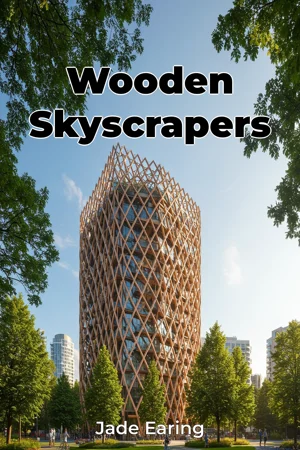
Could wood be the key to a more sustainable future for our cities, reaching ever higher into the sky? "Wooden Skyscrapers" explores the innovative resurgence of wood as a primary structural material for modern skyscrapers, examining its potential to revolutionize the architecture and construction industries while addressing pressing environmental concerns. This book delves into three central themes: the technological advancements making wooden skyscrapers possible, the sustainability benefits of using wood compared to traditional materials like steel and concrete, and the architectural and design considerations unique to tall wood buildings. These topics are crucial because the construction industry is a significant contributor to global carbon emissions, and finding sustainable alternatives is paramount. Moreover, the increasing demand for urban housing necessitates innovative building solutions that are both environmentally responsible and structurally sound. We begin by establishing essential context. The history of timber construction is traced, from traditional wooden structures to the engineered wood products now enabling high-rise construction. This includes an overview of the science behind wood's structural properties, its fire resistance when properly treated, and a comparison to the environmental impacts of steel and concrete production. Readers will gain a foundational understanding of embodied carbon, life cycle assessments, and sustainable forestry practices. The central argument of "Wooden Skyscrapers" is that mass timber construction offers a viable and compelling path toward decarbonizing the built environment. This argument is vital because it challenges conventional assumptions about building materials and presents a tangible solution to reduce the carbon footprint of urban development. The book demonstrates how utilizing wood in skyscrapers not only reduces upfront emissions but also sequesters carbon within the building's structure for its lifespan. The book is structured as follows: First, we introduce the core concepts of mass timber construction, including cross-laminated timber (CLT), glue-laminated timber (glulam), and laminated veneer lumber (LVL), detailing their manufacturing processes and structural characteristics. Second, we explore the sustainability aspects, including carbon sequestration, reduced energy consumption during production, and the potential for responsible forestry management. This section examines the environmental impact of sourcing, processing, and transporting wood, comparing it directly to the impacts associated with steel and concrete. Third, we examine the architectural and design considerations, such as fire safety, acoustics, structural engineering challenges, and design aesthetics. Case studies of existing and proposed wooden skyscrapers from around the world are provided to illustrate these points. Finally, the book culminates in a discussion of the future of wooden skyscrapers, including potential challenges, technological advancements, and policy recommendations. The evidence presented includes data from life cycle assessments, scientific research on wood's structural and fire-resistant properties, and case studies featuring detailed analysis of existing wooden skyscrapers. Unique data sources include carbon footprint analyses conducted on mass timber buildings and comparative studies evaluating the performance of wood against traditional materials in various environmental conditions. Interdisciplinary connections are explored through the lens of environmental science, sustainable forestry, and architectural engineering. Environmental science informs the understanding of carbon sequestration and life cycle impacts. Sustainable forestry provides insight into responsible wood sourcing and forest management practices. Architectural engineering addresses the structural and design challenges unique to wooden skyscrapers. This book offers a unique perspective by synthesizing information from diverse fields to present a holistic view of wooden skyscrapers. It goes beyond simply advocating for wood construction by critically analyzing its environmental and economic implications, providing a balanced assessment of its potential and limitations. The tone is informative and analytical, presenting factual information in a clear and accessible manner. The writing style aims to avoid technical jargon where possible, ensuring that the concepts are understandable to a broad audience. The target audience includes architects, engineers, environmental scientists, urban planners, policymakers, and anyone interested in sustainable building practices. The book will be valuable to readers seeking to understand the potential of mass timber construction to mitigate climate change and address urban housing needs. As a book in the 'Environment, Architecture, Architecture General' genres, it adheres to the conventions of presenting well-researched factual information, supported by evidence and analysis. It aims to contribute to the ongoing discourse on sustainable building practices and architectural innovation. The scope of the book is limited to the use of wood in high-rise construction, primarily focusing on mass timber technologies. It does not delve into other aspects of sustainable building design, such as energy efficiency or water conservation, which are outside the book's core focus. The information in this book can be applied practically by architects and engineers seeking to design and construct wooden skyscrapers. It provides guidance on material selection, structural design, fire safety measures, and environmental impact assessments. Policymakers can use the book to inform building codes and regulations that promote the use of sustainable building materials. The book engages with ongoing debates regarding the sustainability of wood sourcing, the fire resistance of mass timber, and the economic feasibility of wooden skyscrapers. It presents a balanced perspective on these controversies, acknowledging both the potential benefits and challenges associated with this innovative building approach.
Could wood be the key to a more sustainable future for our cities, reaching ever higher into the sky? "Wooden Skyscrapers" explores the innovative resurgence of wood as a primary structural material for modern skyscrapers, examining its potential to revolutionize the architecture and construction industries while addressing pressing environmental concerns. This book delves into three central themes: the technological advancements making wooden skyscrapers possible, the sustainability benefits of using wood compared to traditional materials like steel and concrete, and the architectural and design considerations unique to tall wood buildings. These topics are crucial because the construction industry is a significant contributor to global carbon emissions, and finding sustainable alternatives is paramount. Moreover, the increasing demand for urban housing necessitates innovative building solutions that are both environmentally responsible and structurally sound. We begin by establishing essential context. The history of timber construction is traced, from traditional wooden structures to the engineered wood products now enabling high-rise construction. This includes an overview of the science behind wood's structural properties, its fire resistance when properly treated, and a comparison to the environmental impacts of steel and concrete production. Readers will gain a foundational understanding of embodied carbon, life cycle assessments, and sustainable forestry practices. The central argument of "Wooden Skyscrapers" is that mass timber construction offers a viable and compelling path toward decarbonizing the built environment. This argument is vital because it challenges conventional assumptions about building materials and presents a tangible solution to reduce the carbon footprint of urban development. The book demonstrates how utilizing wood in skyscrapers not only reduces upfront emissions but also sequesters carbon within the building's structure for its lifespan. The book is structured as follows: First, we introduce the core concepts of mass timber construction, including cross-laminated timber (CLT), glue-laminated timber (glulam), and laminated veneer lumber (LVL), detailing their manufacturing processes and structural characteristics. Second, we explore the sustainability aspects, including carbon sequestration, reduced energy consumption during production, and the potential for responsible forestry management. This section examines the environmental impact of sourcing, processing, and transporting wood, comparing it directly to the impacts associated with steel and concrete. Third, we examine the architectural and design considerations, such as fire safety, acoustics, structural engineering challenges, and design aesthetics. Case studies of existing and proposed wooden skyscrapers from around the world are provided to illustrate these points. Finally, the book culminates in a discussion of the future of wooden skyscrapers, including potential challenges, technological advancements, and policy recommendations. The evidence presented includes data from life cycle assessments, scientific research on wood's structural and fire-resistant properties, and case studies featuring detailed analysis of existing wooden skyscrapers. Unique data sources include carbon footprint analyses conducted on mass timber buildings and comparative studies evaluating the performance of wood against traditional materials in various environmental conditions. Interdisciplinary connections are explored through the lens of environmental science, sustainable forestry, and architectural engineering. Environmental science informs the understanding of carbon sequestration and life cycle impacts. Sustainable forestry provides insight into responsible wood sourcing and forest management practices. Architectural engineering addresses the structural and design challenges unique to wooden skyscrapers. This book offers a unique perspective by synthesizing information from diverse fields to present a holistic view of wooden skyscrapers. It goes beyond simply advocating for wood construction by critically analyzing its environmental and economic implications, providing a balanced assessment of its potential and limitations. The tone is informative and analytical, presenting factual information in a clear and accessible manner. The writing style aims to avoid technical jargon where possible, ensuring that the concepts are understandable to a broad audience. The target audience includes architects, engineers, environmental scientists, urban planners, policymakers, and anyone interested in sustainable building practices. The book will be valuable to readers seeking to understand the potential of mass timber construction to mitigate climate change and address urban housing needs. As a book in the 'Environment, Architecture, Architecture General' genres, it adheres to the conventions of presenting well-researched factual information, supported by evidence and analysis. It aims to contribute to the ongoing discourse on sustainable building practices and architectural innovation. The scope of the book is limited to the use of wood in high-rise construction, primarily focusing on mass timber technologies. It does not delve into other aspects of sustainable building design, such as energy efficiency or water conservation, which are outside the book's core focus. The information in this book can be applied practically by architects and engineers seeking to design and construct wooden skyscrapers. It provides guidance on material selection, structural design, fire safety measures, and environmental impact assessments. Policymakers can use the book to inform building codes and regulations that promote the use of sustainable building materials. The book engages with ongoing debates regarding the sustainability of wood sourcing, the fire resistance of mass timber, and the economic feasibility of wooden skyscrapers. It presents a balanced perspective on these controversies, acknowledging both the potential benefits and challenges associated with this innovative building approach.
"Wooden Skyscrapers" explores the innovative use of mass timber construction in modern architecture, presenting wood as a viable, sustainable alternative to steel and concrete. It examines how advancements in engineered wood products, like CLT and glulam, are making high-rise wood buildings possible, offering a path toward decarbonizing the built environment. The book highlights the potential of wood to not only reduce upfront carbon emissions but also to sequester carbon within the building's structure, contributing to a more sustainable future. The book begins by establishing the history of timber construction and the science behind wood's structural properties and fire resistance. It then delves into the sustainability aspects of wood, including carbon sequestration and reduced energy consumption during production, comparing these factors to the environmental impacts of traditional materials. Through case studies and life cycle assessments, "Wooden Skyscrapers" provides a balanced perspective on the environmental and economic implications of wooden skyscrapers and their feasibility as a solution to urban housing needs. Finally, the book addresses architectural and design considerations, such as fire safety and acoustics, and concludes with a discussion of the future of wooden skyscrapers, including potential challenges and policy recommendations. This approach provides a comprehensive view, making it a valuable resource for architects, engineers, and anyone interested in the intersection of sustainable architecture and environmental science.
Book Details
ISBN
9788233975425
Publisher
Publifye AS
Your Licenses
You don't own any licenses for this book
Purchase a license below to unlock this book and download the EPUB.
Purchase License
Select a tier to unlock this book
Need bulk licensing?
Contact us for enterprise agreements.