
About This Book
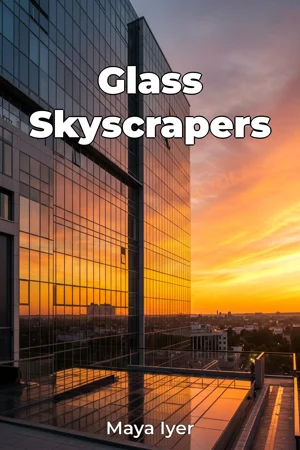
What if the very walls that define our cities could become transparent? This book, "Glass Skyscrapers," explores the fascinating evolution of skyscraper design, focusing on the pivotal transition to glass exteriors and the profound impact these structures have had on urban landscapes. It delves into the architectural, technological, and societal forces that converged to make the glass skyscraper a ubiquitous symbol of modernity. The book's central argument posits that the adoption of glass as the dominant material for skyscraper facades represents more than just an aesthetic shift. It signifies a fundamental change in how we perceive and interact with the built environment, reflecting advancements in materials science, engineering capabilities, and evolving social ideals of transparency and openness. This argument is crucial because understanding the history and implications of glass skyscrapers provides valuable insights into the future of sustainable and human-centered urban design. To provide context, the book begins with an overview of early skyscraper construction, highlighting the limitations of traditional materials like steel and masonry. It then traces the development of glass manufacturing techniques and structural engineering principles that made glass facades feasible at scale. Crucially, the book examines the social and economic factors that propelled the rise of glass skyscrapers, including the growing demand for office space, the desire for natural light, and the symbolic association of glass with progress and innovation. The book unfolds in three major sections. First, it introduces the core concepts of structural glazing, curtain wall systems, and thermal performance to provide the technical foundation. Second, it follows the historical trajectory, from early experiments like the Crystal Palace to iconic examples such as the Seagram Building and the Burj Khalifa, analyzing how architectural styles and technological capabilities evolved in tandem. Third, it examines the contemporary challenges and opportunities facing glass skyscrapers, including issues of energy efficiency, environmental sustainability, and urban integration. The analysis presented relies on a diverse range of evidence, including architectural drawings, engineering specifications, historical photographs, case studies of notable buildings, and research from materials science and urban planning. Primary source materials from architectural archives and construction companies are also incorporated to provide unique insights into the design and construction processes. "Glass Skyscrapers" makes interdisciplinary connections to several fields. Firstly, it intersects with materials science, examining the properties of glass and its impact on building performance. Secondly, it connects with environmental studies, exploring the energy consumption and greenhouse gas emissions associated with glass skyscrapers. Thirdly, it engages with urban sociology, assessing how these buildings shape social interactions and perceptions of urban space. This book distinguishes itself by taking a holistic approach, considering not only the technical aspects of glass skyscrapers but also their social, economic, and environmental implications. It offers a balanced perspective, acknowledging both the benefits and drawbacks of glass facades, and proposes strategies for designing more sustainable and human-centered glass buildings in the future. Written in a professional yet accessible style, the book targets a broad audience, including architecture students, practicing architects, urban planners, and anyone interested in the history and evolution of the built environment. It provides valuable knowledge for professionals seeking to design more sustainable and innovative buildings, as well as for general readers curious about the forces that have shaped our modern cities. As a work of architectural history and design, the book adheres to the genre's conventions of detailed visual analysis, historical documentation, and critical evaluation of design principles. While the book covers a global range of glass skyscrapers, it focuses primarily on examples from North America, Europe, and Asia, acknowledging the limitations of a comprehensive worldwide survey within a single volume. Ultimately, "Glass Skyscrapers" demonstrates that the story of glass in architecture is not just about aesthetics or technology; it is a story about how we shape our world and how our buildings shape us. Understanding this story allows us to design better cities for the future. The knowledge gained can be applied by architects, engineers and city planners in the design/redesign of skyscrapers. It also helps the general public understand the environmental and social impact of these structures.
What if the very walls that define our cities could become transparent? This book, "Glass Skyscrapers," explores the fascinating evolution of skyscraper design, focusing on the pivotal transition to glass exteriors and the profound impact these structures have had on urban landscapes. It delves into the architectural, technological, and societal forces that converged to make the glass skyscraper a ubiquitous symbol of modernity. The book's central argument posits that the adoption of glass as the dominant material for skyscraper facades represents more than just an aesthetic shift. It signifies a fundamental change in how we perceive and interact with the built environment, reflecting advancements in materials science, engineering capabilities, and evolving social ideals of transparency and openness. This argument is crucial because understanding the history and implications of glass skyscrapers provides valuable insights into the future of sustainable and human-centered urban design. To provide context, the book begins with an overview of early skyscraper construction, highlighting the limitations of traditional materials like steel and masonry. It then traces the development of glass manufacturing techniques and structural engineering principles that made glass facades feasible at scale. Crucially, the book examines the social and economic factors that propelled the rise of glass skyscrapers, including the growing demand for office space, the desire for natural light, and the symbolic association of glass with progress and innovation. The book unfolds in three major sections. First, it introduces the core concepts of structural glazing, curtain wall systems, and thermal performance to provide the technical foundation. Second, it follows the historical trajectory, from early experiments like the Crystal Palace to iconic examples such as the Seagram Building and the Burj Khalifa, analyzing how architectural styles and technological capabilities evolved in tandem. Third, it examines the contemporary challenges and opportunities facing glass skyscrapers, including issues of energy efficiency, environmental sustainability, and urban integration. The analysis presented relies on a diverse range of evidence, including architectural drawings, engineering specifications, historical photographs, case studies of notable buildings, and research from materials science and urban planning. Primary source materials from architectural archives and construction companies are also incorporated to provide unique insights into the design and construction processes. "Glass Skyscrapers" makes interdisciplinary connections to several fields. Firstly, it intersects with materials science, examining the properties of glass and its impact on building performance. Secondly, it connects with environmental studies, exploring the energy consumption and greenhouse gas emissions associated with glass skyscrapers. Thirdly, it engages with urban sociology, assessing how these buildings shape social interactions and perceptions of urban space. This book distinguishes itself by taking a holistic approach, considering not only the technical aspects of glass skyscrapers but also their social, economic, and environmental implications. It offers a balanced perspective, acknowledging both the benefits and drawbacks of glass facades, and proposes strategies for designing more sustainable and human-centered glass buildings in the future. Written in a professional yet accessible style, the book targets a broad audience, including architecture students, practicing architects, urban planners, and anyone interested in the history and evolution of the built environment. It provides valuable knowledge for professionals seeking to design more sustainable and innovative buildings, as well as for general readers curious about the forces that have shaped our modern cities. As a work of architectural history and design, the book adheres to the genre's conventions of detailed visual analysis, historical documentation, and critical evaluation of design principles. While the book covers a global range of glass skyscrapers, it focuses primarily on examples from North America, Europe, and Asia, acknowledging the limitations of a comprehensive worldwide survey within a single volume. Ultimately, "Glass Skyscrapers" demonstrates that the story of glass in architecture is not just about aesthetics or technology; it is a story about how we shape our world and how our buildings shape us. Understanding this story allows us to design better cities for the future. The knowledge gained can be applied by architects, engineers and city planners in the design/redesign of skyscrapers. It also helps the general public understand the environmental and social impact of these structures.
"Glass Skyscrapers" explores the evolution of skyscraper design, charting the shift to glass exteriors and their impact on urban environments. The book examines how glass facades became a defining feature of modern cities, driven by advancements in materials science and a desire for transparency. It reveals that the adoption of glass signifies a fundamental change in our interaction with the built environment. For instance, early skyscrapers faced material limitations with steel and masonry, issues that glass exteriors helped to overcome which supported the growing need for office spaces. The book begins by laying the groundwork with core concepts like structural glazing and curtain wall systems. It then journeys through architectural history, comparing early experiments like the Crystal Palace to modern marvels such as the Burj Khalifa. The book evaluates how architectural styles and technological capabilities developed together. The book also addresses the challenges of energy efficiency and environmental sustainability in contemporary glass skyscraper design. Ultimately, this book offers a balanced perspective on glass skyscrapers, acknowledging both their benefits and drawbacks. It emphasizes the importance of sustainable and human-centered design in the future, making it a valuable resource for architects, urban planners, and anyone interested in understanding how buildings shape our world.
Book Details
ISBN
9788233975418
Publisher
Publifye AS
Your Licenses
You don't own any licenses for this book
Purchase a license below to unlock this book and download the EPUB.
Purchase License
Select a tier to unlock this book
Need bulk licensing?
Contact us for enterprise agreements.