
About This Book
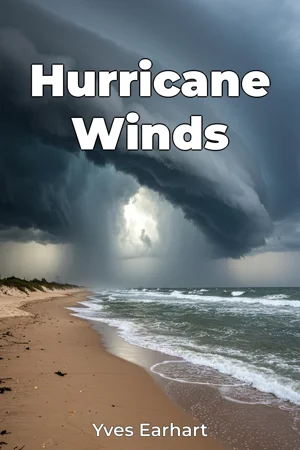
Imagine standing at the edge of the coast as a hurricane approaches, the wind howling with unimaginable force. What are the complex dynamics that create these destructive winds, and how do they shape the coastlines and communities in their path? "Hurricane Winds" delves into the heart of these powerful storms, offering a comprehensive exploration of their formation, behavior, and impact. This book examines several key topics. First, we dissect the anatomy of hurricane winds, from the swirling vortex of the eye to the escalating speeds within the eyewall and rainbands. Second, we analyze how these winds interact with various coastal environments, considering factors like topography, vegetation, and human-built structures, all of which influence the impact of a hurricane. Third, we explore the cascading effects on communities, including the immediate devastation, long-term recovery, and the challenges of building resilience in vulnerable regions. These topics are important because understanding hurricane wind dynamics is crucial for improving forecasting accuracy, developing effective mitigation strategies, and ultimately protecting lives and property. To fully appreciate the destructive potential of hurricane winds, we begin by establishing a foundation in atmospheric science, covering the basics of tropical cyclone formation, the Coriolis effect, and the role of sea surface temperatures. We trace the history of hurricane observation and prediction, from rudimentary techniques to sophisticated satellite and radar technologies. This historical context shows the evolution of our understanding and the persistent challenges that remain. The central argument of "Hurricane Winds" is that a holistic understanding of hurricane wind dynamics, considering both the meteorological processes and the environmental and social vulnerabilities, is essential for minimizing the adverse impacts on coastal regions. This argument is important as coastal populations grow and climate change potentially intensifies hurricane activity, increasing the need for effective adaptation and resilience measures. The structure of this book unfolds logically: First, we introduce the fundamental principles of hurricane formation and wind dynamics. Second, we present a series of case studies examining the impact of hurricanes on diverse coastal environments, considering factors like storm surge amplification, wind-driven erosion, and structural damage. Third, we explore the social and economic consequences of hurricane winds on affected communities. The book culminates with a discussion of strategies for enhancing coastal resilience, including improved building codes, land-use planning, and community-based disaster preparedness programs. The evidence presented in "Hurricane Winds" draws from a wide range of sources, including peer-reviewed scientific literature, government reports, and field observations. We incorporate data from hurricane research programs, such as the National Hurricane Center's archives, and examine the findings of post-storm damage assessments. Unique data sources include high-resolution wind field measurements obtained from aircraft reconnaissance and advanced weather models. The book also connects to broader fields of study. It draws on concepts from environmental science to examine ecological impacts, civil engineering to analyze structural vulnerability, and social science to understand community resilience. These interdisciplinary connections enrich the book's argument, demonstrating that addressing the challenges posed by hurricane winds requires a multifaceted approach. "Hurricane Winds" provides a unique perspective by integrating scientific analysis with real-world examples and practical applications. It avoids technical jargon where possible, making the information accessible to a broad audience while maintaining scientific rigor. Written in a clear and informative style, "Hurricane Winds" is designed for a diverse audience, including students, researchers, policymakers, and coastal residents. The book will be valuable to anyone seeking a comprehensive and practical understanding of hurricane wind dynamics and their impact on coastal regions. It aligns with the conventions of environmental and earth sciences geography by presenting fact-based analyses, case studies, and evidence-based recommendations. The book’s scope is limited to the dynamics and impacts of hurricane-force winds; it does not delve into other aspects of hurricanes, such as rainfall or storm surge, except where they directly influence wind patterns. The information within "Hurricane Winds" can be applied to improve building codes, land-use planning, and disaster preparedness efforts, all in addition to informing decision-making by individuals and communities in coastal regions. While the fundamental physics of hurricane winds is well-established, debates persist regarding the influence of climate change on hurricane intensity and frequency, and the book addresses these ongoing discussions within the scientific community.
Imagine standing at the edge of the coast as a hurricane approaches, the wind howling with unimaginable force. What are the complex dynamics that create these destructive winds, and how do they shape the coastlines and communities in their path? "Hurricane Winds" delves into the heart of these powerful storms, offering a comprehensive exploration of their formation, behavior, and impact. This book examines several key topics. First, we dissect the anatomy of hurricane winds, from the swirling vortex of the eye to the escalating speeds within the eyewall and rainbands. Second, we analyze how these winds interact with various coastal environments, considering factors like topography, vegetation, and human-built structures, all of which influence the impact of a hurricane. Third, we explore the cascading effects on communities, including the immediate devastation, long-term recovery, and the challenges of building resilience in vulnerable regions. These topics are important because understanding hurricane wind dynamics is crucial for improving forecasting accuracy, developing effective mitigation strategies, and ultimately protecting lives and property. To fully appreciate the destructive potential of hurricane winds, we begin by establishing a foundation in atmospheric science, covering the basics of tropical cyclone formation, the Coriolis effect, and the role of sea surface temperatures. We trace the history of hurricane observation and prediction, from rudimentary techniques to sophisticated satellite and radar technologies. This historical context shows the evolution of our understanding and the persistent challenges that remain. The central argument of "Hurricane Winds" is that a holistic understanding of hurricane wind dynamics, considering both the meteorological processes and the environmental and social vulnerabilities, is essential for minimizing the adverse impacts on coastal regions. This argument is important as coastal populations grow and climate change potentially intensifies hurricane activity, increasing the need for effective adaptation and resilience measures. The structure of this book unfolds logically: First, we introduce the fundamental principles of hurricane formation and wind dynamics. Second, we present a series of case studies examining the impact of hurricanes on diverse coastal environments, considering factors like storm surge amplification, wind-driven erosion, and structural damage. Third, we explore the social and economic consequences of hurricane winds on affected communities. The book culminates with a discussion of strategies for enhancing coastal resilience, including improved building codes, land-use planning, and community-based disaster preparedness programs. The evidence presented in "Hurricane Winds" draws from a wide range of sources, including peer-reviewed scientific literature, government reports, and field observations. We incorporate data from hurricane research programs, such as the National Hurricane Center's archives, and examine the findings of post-storm damage assessments. Unique data sources include high-resolution wind field measurements obtained from aircraft reconnaissance and advanced weather models. The book also connects to broader fields of study. It draws on concepts from environmental science to examine ecological impacts, civil engineering to analyze structural vulnerability, and social science to understand community resilience. These interdisciplinary connections enrich the book's argument, demonstrating that addressing the challenges posed by hurricane winds requires a multifaceted approach. "Hurricane Winds" provides a unique perspective by integrating scientific analysis with real-world examples and practical applications. It avoids technical jargon where possible, making the information accessible to a broad audience while maintaining scientific rigor. Written in a clear and informative style, "Hurricane Winds" is designed for a diverse audience, including students, researchers, policymakers, and coastal residents. The book will be valuable to anyone seeking a comprehensive and practical understanding of hurricane wind dynamics and their impact on coastal regions. It aligns with the conventions of environmental and earth sciences geography by presenting fact-based analyses, case studies, and evidence-based recommendations. The book’s scope is limited to the dynamics and impacts of hurricane-force winds; it does not delve into other aspects of hurricanes, such as rainfall or storm surge, except where they directly influence wind patterns. The information within "Hurricane Winds" can be applied to improve building codes, land-use planning, and disaster preparedness efforts, all in addition to informing decision-making by individuals and communities in coastal regions. While the fundamental physics of hurricane winds is well-established, debates persist regarding the influence of climate change on hurricane intensity and frequency, and the book addresses these ongoing discussions within the scientific community.
"Hurricane Winds" explores the powerful and complex dynamics of hurricane winds and their profound impact on coastal environments and communities. The book examines how these winds form, behave, and interact with different landscapes, emphasizing that understanding these dynamics is crucial for improving forecasting and developing effective mitigation strategies. For instance, the book highlights how the Coriolis effect and sea surface temperatures play a critical role in tropical cyclone formation. The book presents its information logically, starting with the fundamentals of hurricane formation and wind dynamics before moving into case studies of hurricane impacts on diverse coastal settings, considering storm surge amplification and wind-driven erosion. It also considers the social and economic consequences on affected communities. One interesting fact is that even rudimentary hurricane observation techniques have evolved into sophisticated satellite and radar technologies, showcasing the evolution of our understanding. Ultimately, "Hurricane Winds" integrates scientific analysis with real-world examples, making it accessible to a broad audience, including students, researchers, policymakers, and coastal residents. The book concludes with strategies for enhancing coastal resilience, such as improved building codes and community-based disaster preparedness programs, making it a valuable resource for anyone seeking a comprehensive understanding of hurricane wind dynamics.
Book Details
ISBN
9788233975319
Publisher
Publifye AS
Your Licenses
You don't own any licenses for this book
Purchase a license below to unlock this book and download the EPUB.
Purchase License
Select a tier to unlock this book
Need bulk licensing?
Contact us for enterprise agreements.