
About This Book
Can wind energy truly power our future? This book, *Wind Energy*, delves into the multifaceted world of wind turbines and their pivotal role in the renewable energy landscape. We explore not only the technological intricacies of how these machines generate electricity but also the broader environmental and societal implications of utilizing wind as a primary energy source. Understanding the mechanics of wind energy conversion and its position within the green energy movement are critical for anyone seeking to grasp the dynamics of sustainable power generation. This exploration is vital because climate change demands urgent and comprehensive solutions. Wind energy offers a tangible alternative to fossil fuels, promising a cleaner and more sustainable energy future. Furthermore, the expansion of wind power creates economic opportunities and impacts energy independence strategies. Our journey begins by establishing a solid foundation in the history of wind power, from ancient windmills to modern megawatt-scale turbines. Essential concepts in aerodynamics, electrical engineering, and meteorology will be introduced to provide the necessary scientific context for understanding wind turbine operation. No prior expertise is assumed; the book carefully builds upon fundamental principles to ensure accessibility for a broad readership. The central argument posited within *Wind Energy* is that, while challenges exist, wind energy remains indispensable for achieving a sustainable energy transition if implemented thoughtfully and strategically. This argument will be supported by analyzing the economic viability, environmental impact, and technological progress associated with wind power. The book is structured to guide the reader through a logical progression of understanding. We first introduce the fundamental principles of wind energy conversion, covering topics such as blade design, generator types, and grid integration. Next, we delve into the practical aspects of wind farm development, including site selection criteria, environmental impact assessments, and economic feasibility studies. This section features case studies of successful—and less successful—wind energy projects around the globe. Finally, we examine the future of wind energy, considering emerging technologies such as floating offshore wind farms, advanced materials for turbine construction, and smart grid integration strategies. The evidence and research presented in *Wind Energy* are drawn from a wide range of sources, including peer-reviewed scientific publications, industry reports, government statistics, and on-site data from operational wind farms. We utilize detailed performance data and economic models to rigorously evaluate the effectiveness and viability of different wind energy technologies and deployment strategies. *Wind Energy* also bridges connections with other fields, examining the interactions between wind energy and ecology, economics, and public policy. For example, we analyze the potential impacts of wind farms on bird and bat populations and explore mitigation strategies to minimize wildlife mortality. We also investigate the economic incentives and regulatory frameworks that can promote or hinder the deployment of wind energy projects. Furthermore, we examine the social equity considerations associated with wind energy development. This book offers a comprehensive and balanced perspective on the current state and future potential of wind energy. We offer a fact-based approach, avoiding hyperbole and instead focusing on presenting a nuanced and objective assessment of the technology's strengths, weaknesses, opportunities, and threats. The target audience for *Wind Energy* includes students, researchers, policymakers, and anyone interested in learning more about renewable energy technologies. It is a valuable resource for those seeking a deeper understanding of the role wind energy can play in addressing climate change and building a more sustainable energy future. As a work of non-fiction within the environmental and technological genres, *Wind Energy* adheres to the principles of accuracy, objectivity, and transparency. All sources are carefully documented, and data is presented fairly and without bias. The scope of the book is intentionally broad, covering both onshore and offshore wind energy technologies, as well as both small-scale and utility-scale applications. However, the book does not delve into the specific engineering design details of individual wind turbine components, focusing instead on the broader system-level considerations. The real-world applications of the knowledge contained in *Wind Energy* are numerous. Readers will gain practical insights into how to evaluate the feasibility of wind energy projects, assess their environmental impacts, and understand the economic and policy factors that shape the wind energy industry. Finally, the book addresses ongoing debates surrounding wind energy, such as concerns about noise pollution, visual impacts, and land use conflicts. We explore the scientific evidence related to these concerns and discuss potential solutions to mitigate negative impacts and promote greater social acceptance of wind energy.
Can wind energy truly power our future? This book, *Wind Energy*, delves into the multifaceted world of wind turbines and their pivotal role in the renewable energy landscape. We explore not only the technological intricacies of how these machines generate electricity but also the broader environmental and societal implications of utilizing wind as a primary energy source. Understanding the mechanics of wind energy conversion and its position within the green energy movement are critical for anyone seeking to grasp the dynamics of sustainable power generation. This exploration is vital because climate change demands urgent and comprehensive solutions. Wind energy offers a tangible alternative to fossil fuels, promising a cleaner and more sustainable energy future. Furthermore, the expansion of wind power creates economic opportunities and impacts energy independence strategies. Our journey begins by establishing a solid foundation in the history of wind power, from ancient windmills to modern megawatt-scale turbines. Essential concepts in aerodynamics, electrical engineering, and meteorology will be introduced to provide the necessary scientific context for understanding wind turbine operation. No prior expertise is assumed; the book carefully builds upon fundamental principles to ensure accessibility for a broad readership. The central argument posited within *Wind Energy* is that, while challenges exist, wind energy remains indispensable for achieving a sustainable energy transition if implemented thoughtfully and strategically. This argument will be supported by analyzing the economic viability, environmental impact, and technological progress associated with wind power. The book is structured to guide the reader through a logical progression of understanding. We first introduce the fundamental principles of wind energy conversion, covering topics such as blade design, generator types, and grid integration. Next, we delve into the practical aspects of wind farm development, including site selection criteria, environmental impact assessments, and economic feasibility studies. This section features case studies of successful—and less successful—wind energy projects around the globe. Finally, we examine the future of wind energy, considering emerging technologies such as floating offshore wind farms, advanced materials for turbine construction, and smart grid integration strategies. The evidence and research presented in *Wind Energy* are drawn from a wide range of sources, including peer-reviewed scientific publications, industry reports, government statistics, and on-site data from operational wind farms. We utilize detailed performance data and economic models to rigorously evaluate the effectiveness and viability of different wind energy technologies and deployment strategies. *Wind Energy* also bridges connections with other fields, examining the interactions between wind energy and ecology, economics, and public policy. For example, we analyze the potential impacts of wind farms on bird and bat populations and explore mitigation strategies to minimize wildlife mortality. We also investigate the economic incentives and regulatory frameworks that can promote or hinder the deployment of wind energy projects. Furthermore, we examine the social equity considerations associated with wind energy development. This book offers a comprehensive and balanced perspective on the current state and future potential of wind energy. We offer a fact-based approach, avoiding hyperbole and instead focusing on presenting a nuanced and objective assessment of the technology's strengths, weaknesses, opportunities, and threats. The target audience for *Wind Energy* includes students, researchers, policymakers, and anyone interested in learning more about renewable energy technologies. It is a valuable resource for those seeking a deeper understanding of the role wind energy can play in addressing climate change and building a more sustainable energy future. As a work of non-fiction within the environmental and technological genres, *Wind Energy* adheres to the principles of accuracy, objectivity, and transparency. All sources are carefully documented, and data is presented fairly and without bias. The scope of the book is intentionally broad, covering both onshore and offshore wind energy technologies, as well as both small-scale and utility-scale applications. However, the book does not delve into the specific engineering design details of individual wind turbine components, focusing instead on the broader system-level considerations. The real-world applications of the knowledge contained in *Wind Energy* are numerous. Readers will gain practical insights into how to evaluate the feasibility of wind energy projects, assess their environmental impacts, and understand the economic and policy factors that shape the wind energy industry. Finally, the book addresses ongoing debates surrounding wind energy, such as concerns about noise pollution, visual impacts, and land use conflicts. We explore the scientific evidence related to these concerns and discuss potential solutions to mitigate negative impacts and promote greater social acceptance of wind energy.
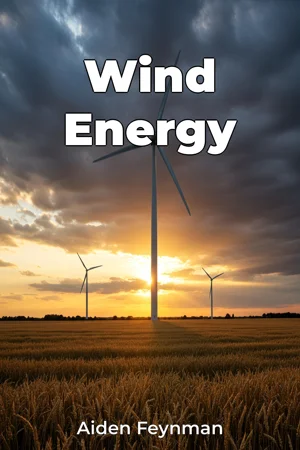
"Wind Energy" explores the potential of wind turbines as a key renewable energy source in combating climate change. It sheds light on the evolution of wind power, from ancient applications to cutting-edge offshore wind farms, and it highlights the economic and environmental factors involved in harnessing wind for sustainable power generation. The book emphasizes wind energy’s role in achieving energy independence and aiding the global energy transition. The book begins by introducing the fundamental principles of wind energy conversion, including blade design and grid integration. It then assesses the practical aspects of wind farm development, such as site selection and environmental impact, using global case studies. Finally, the book examines future technologies, like floating offshore wind farms, and their potential impact on sustainable energy strategies. It offers a balanced view on wind energy, discussing both its benefits and challenges.
Book Details
ISBN
9788233975296
Publisher
Publifye AS
Your Licenses
You don't own any licenses for this book
Purchase a license below to unlock this book and download the EPUB.
Purchase License
Select a tier to unlock this book
Need bulk licensing?
Contact us for enterprise agreements.