
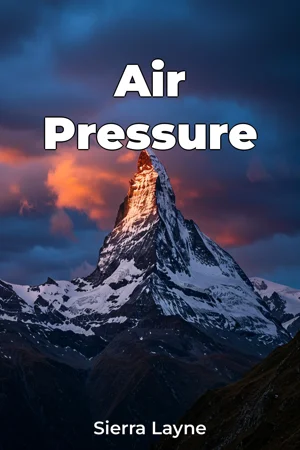
About This Book
Have you ever considered the invisible force that constantly presses upon you, shaping not only our weather but also our very ability to survive? This book, "Air Pressure," delves into the fundamental yet often overlooked phenomenon of air pressure, exploring its profound influence on weather patterns, the challenges of altitude, and the limits of human endurance in extreme environments. Our journey begins by dissecting the concept of air pressure itself: what it is, how it is measured, and the factors that cause it to vary. We establish a foundational understanding of atmospheric science, including the composition of air and the principles of gas behavior. Crucially, we examine how differences in air pressure drive the formation of winds, storms, and other weather-related events. This section provides essential context, assuming only a basic understanding of physics and geography, and building towards a comprehensive model of atmospheric dynamics. The book's central argument is that air pressure is not merely a meteorological statistic, but a critical determinant of environmental conditions and human physiological responses. We aim to demonstrate that understanding air pressure is essential for predicting weather patterns, designing aircraft and high-altitude infrastructure, and safeguarding human health in challenging environments. The core of "Air Pressure" is structured into three major sections. First, we comprehensively analyze the relationship between air pressure and weather. Using meteorological data and case studies of significant weather events, we illustrate how high- and low-pressure systems interact to create diverse weather phenomena, from gentle breezes to devastating hurricanes. Second, we shift our focus to altitude, exploring how air pressure decreases with height and the resulting impact on the human body. This section draws on research in physiology and aviation medicine to explain altitude sickness, acclimatization strategies, and the design of pressurized environments. Finally, we examine human survival in extreme conditions, such as deep-sea diving and mountaineering. We explore the physiological challenges posed by high and low pressures, including decompression sickness and barotrauma, and analyze the technologies and techniques used to mitigate these risks. Evidence presented throughout the book includes meteorological data from global monitoring networks, physiological studies on the effects of altitude and pressure on the human body, and engineering analyses of pressurized systems used in aviation and underwater exploration. We will incorporate historical accounts of early scientific investigations into air pressure, alongside contemporary research findings, to provide a balanced and nuanced perspective. "Air Pressure" is an interdisciplinary exploration, connecting atmospheric science, physiology, and engineering. It emphasizes the importance of air pressure in fields like climate science (understanding weather patterns), aerospace engineering (designing safe aircraft), and environmental medicine (treating pressure-related illnesses). This book distinguishes itself by integrating these diverse perspectives into a cohesive narrative, demonstrating the far-reaching implications of air pressure in shaping our world and influencing human survival. We employ a clear, accessible writing style, aimed at conveying complex scientific concepts in an understandable manner for a broad readership. The target audience includes students of earth science, geography, and environmental science, as well as professionals working in related fields, such as meteorology and aviation. Anyone with an intellectual curiosity about the natural world and an interest in the science behind weather and human adaptation to extreme environments will find this book valuable. As a work of non-fiction within Earth Sciences and Geography, "Air Pressure" adheres to the genre's conventions by presenting accurate, well-researched information, supported by empirical evidence and logical reasoning. While we aim to provide a comprehensive overview, the book intentionally limits its scope to the direct effects of air pressure, avoiding tangential discussions of climate change or broader environmental issues. The information in this book has real-world applications, from understanding daily weather forecasts to learning how to prepare for high-altitude treks. Furthermore, this book sheds light on important environmental considerations and offers relevant insights for industries that operate in extreme environments, such as aviation and deep-sea exploration. While much is understood about air pressure, debates continue about refining weather prediction models and optimizing human adaptation strategies for extreme environments. This book acknowledges these ongoing discussions, presenting current research and open questions.
Have you ever considered the invisible force that constantly presses upon you, shaping not only our weather but also our very ability to survive? This book, "Air Pressure," delves into the fundamental yet often overlooked phenomenon of air pressure, exploring its profound influence on weather patterns, the challenges of altitude, and the limits of human endurance in extreme environments. Our journey begins by dissecting the concept of air pressure itself: what it is, how it is measured, and the factors that cause it to vary. We establish a foundational understanding of atmospheric science, including the composition of air and the principles of gas behavior. Crucially, we examine how differences in air pressure drive the formation of winds, storms, and other weather-related events. This section provides essential context, assuming only a basic understanding of physics and geography, and building towards a comprehensive model of atmospheric dynamics. The book's central argument is that air pressure is not merely a meteorological statistic, but a critical determinant of environmental conditions and human physiological responses. We aim to demonstrate that understanding air pressure is essential for predicting weather patterns, designing aircraft and high-altitude infrastructure, and safeguarding human health in challenging environments. The core of "Air Pressure" is structured into three major sections. First, we comprehensively analyze the relationship between air pressure and weather. Using meteorological data and case studies of significant weather events, we illustrate how high- and low-pressure systems interact to create diverse weather phenomena, from gentle breezes to devastating hurricanes. Second, we shift our focus to altitude, exploring how air pressure decreases with height and the resulting impact on the human body. This section draws on research in physiology and aviation medicine to explain altitude sickness, acclimatization strategies, and the design of pressurized environments. Finally, we examine human survival in extreme conditions, such as deep-sea diving and mountaineering. We explore the physiological challenges posed by high and low pressures, including decompression sickness and barotrauma, and analyze the technologies and techniques used to mitigate these risks. Evidence presented throughout the book includes meteorological data from global monitoring networks, physiological studies on the effects of altitude and pressure on the human body, and engineering analyses of pressurized systems used in aviation and underwater exploration. We will incorporate historical accounts of early scientific investigations into air pressure, alongside contemporary research findings, to provide a balanced and nuanced perspective. "Air Pressure" is an interdisciplinary exploration, connecting atmospheric science, physiology, and engineering. It emphasizes the importance of air pressure in fields like climate science (understanding weather patterns), aerospace engineering (designing safe aircraft), and environmental medicine (treating pressure-related illnesses). This book distinguishes itself by integrating these diverse perspectives into a cohesive narrative, demonstrating the far-reaching implications of air pressure in shaping our world and influencing human survival. We employ a clear, accessible writing style, aimed at conveying complex scientific concepts in an understandable manner for a broad readership. The target audience includes students of earth science, geography, and environmental science, as well as professionals working in related fields, such as meteorology and aviation. Anyone with an intellectual curiosity about the natural world and an interest in the science behind weather and human adaptation to extreme environments will find this book valuable. As a work of non-fiction within Earth Sciences and Geography, "Air Pressure" adheres to the genre's conventions by presenting accurate, well-researched information, supported by empirical evidence and logical reasoning. While we aim to provide a comprehensive overview, the book intentionally limits its scope to the direct effects of air pressure, avoiding tangential discussions of climate change or broader environmental issues. The information in this book has real-world applications, from understanding daily weather forecasts to learning how to prepare for high-altitude treks. Furthermore, this book sheds light on important environmental considerations and offers relevant insights for industries that operate in extreme environments, such as aviation and deep-sea exploration. While much is understood about air pressure, debates continue about refining weather prediction models and optimizing human adaptation strategies for extreme environments. This book acknowledges these ongoing discussions, presenting current research and open questions.
"Air Pressure" explores the profound, often unseen, influence of air pressure on our planet and our lives. From shaping weather patterns to influencing human endurance, this force plays a critical role in atmospheric science. The book examines how air pressure is measured, the factors causing its variations, and its direct link to the formation of winds and storms. For instance, differences in air pressure drive the creation of both gentle breezes and devastating hurricanes, showcasing its dynamic impact. The book progresses through three major sections, analyzing the relationship between air pressure and weather, the impact of altitude on the human body, and human survival in extreme conditions. It highlights how decreasing air pressure at high altitudes affects human physiology, leading to altitude sickness and necessitating acclimatization strategies. It emphasizes the importance of understanding air pressure for predicting weather, designing aircraft, and ensuring human safety in challenging environments. "Air Pressure" uniquely connects atmospheric science, physiology, and engineering, demonstrating the far-reaching implications of this fundamental force. By integrating diverse perspectives and employing a clear, accessible writing style, the book makes complex scientific concepts understandable for a broad audience interested in Earth Sciences and Geography.
Book Details
ISBN
9788233975197
Publisher
Publifye AS
Your Licenses
You don't own any licenses for this book
Purchase a license below to unlock this book and download the EPUB.
Purchase License
Select a tier to unlock this book
Need bulk licensing?
Contact us for enterprise agreements.