
About This Book
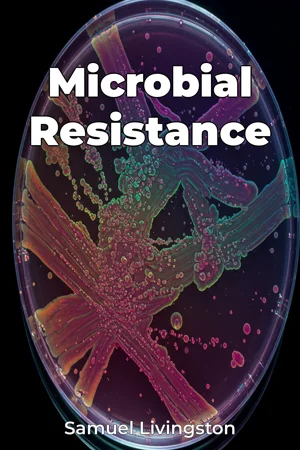
Are we on the cusp of a post-antibiotic era, where common infections become untreatable and once-conquered diseases resurge with a vengeance? This book, *Microbial Resistance*, delves into the complex world of antibiotic resistance, exploring the mechanisms by which bacteria evolve to evade our most potent drugs and the immense challenges we face in combating these so-called "superbugs." The significance of this topic cannot be overstated; antibiotic resistance poses a grave threat to global public health, impacting everything from routine surgeries to treatment of life-threatening infections. *Microbial Resistance* tackles three core themes: the biological underpinnings of resistance, the factors driving its proliferation, and the search for innovative solutions. Understanding the genetic and biochemical mechanisms that allow bacteria to resist antibiotics is crucial. We also explore the alarming rate at which resistance spreads thanks to factors such as antibiotic overuse, agricultural practices and global travel. Finally, the book examines promising avenues for combating resistance, from novel drug development to alternative therapeutic strategies. The book begins by laying the groundwork with a discussion of basic microbiology and genetics before moving into the specifics of antibiotic action and resistance mechanisms. Chapters cover the history of antibiotic use, the rise of resistant strains, and the social and economic factors that contribute to the problem. A central argument is that antibiotic resistance is not merely a biological phenomenon, but a complex interplay of scientific, social, and economic forces demanding a multifaceted approach. The book advocates for a more holistic view, integrating insights from microbiology, public health, and policy to address this global threat. *Microbial Resistance* is structured to provide a clear and progressive understanding of this challenge. First, the book introduces the fundamental principles of bacterial genetics and antibiotic mechanisms of action. Second, it details the major mechanisms of resistance, such as enzymatic inactivation, target modification, and efflux pumps, supported by research findings from genetic studies and clinical observations. Next, the text examines the role of horizontal gene transfer in spreading resistance genes among bacterial populations. We then explore the factors driving the selection and spread of resistant bacteria, including antibiotic use in human medicine and agriculture. Finally, the book culminates with a discussion of current strategies for combating resistance, such as antibiotic stewardship programs, the development of novel antibiotics, and alternative therapies like phage therapy and immunotherapy. The evidence presented throughout the book relies on a combination of primary research articles, epidemiological data, and case studies from clinical settings. Unique data sources, such as genomic databases of resistant bacteria and surveillance reports from public health agencies, are utilized to illustrate the extent and evolution of antibiotic resistance. This work intersects with various disciplines, including public health, environmental science, and evolutionary biology. Considering the public health implications of antimicrobial resistance, the book demonstrates the need for interdisciplinary collaborations. By examining the environmental reservoirs of resistance genes, the book also draws connections to environmental science. Furthermore, the evolutionary adaptations of bacteria are discussed to better understand resistance mechanisms. *Microbial Resistance* offers a comprehensive overview grounded in scientific literature and real-world examples, presenting a balanced perspective on the causes and potential solutions. The book uses clear, concise language making complex topics accessible without oversimplifying them. The intended audience includes students and researchers. This book would be valuable to anyone seeking a deeper understanding of antibiotic resistance, its implications, and potential solutions. As a fact-based, non-fiction work, *Microbial Resistance* adheres to the principles of accuracy, objectivity, and transparency. The scope of the book is broad, covering a wide range of topics related to antibiotic resistance; however, it focuses primarily on bacterial resistance, with limited discussion of resistance in other microorganisms such as fungi or viruses. While the book explores various strategies for combating resistance, it does not delve into the specific details of drug discovery or clinical trial design. The information in *Microbial Resistance* can be directly applied to inform antibiotic stewardship programs, guide research efforts, and educate the public about responsible antibiotic use. The book also addresses controversies, such as the debate over the use of antibiotics in agriculture and the effectiveness of different infection control measures. By presenting different viewpoints and analyzing the available evidence, *Microbial Resistance* aims to provide a balanced and informed discussion of these complex issues.
Are we on the cusp of a post-antibiotic era, where common infections become untreatable and once-conquered diseases resurge with a vengeance? This book, *Microbial Resistance*, delves into the complex world of antibiotic resistance, exploring the mechanisms by which bacteria evolve to evade our most potent drugs and the immense challenges we face in combating these so-called "superbugs." The significance of this topic cannot be overstated; antibiotic resistance poses a grave threat to global public health, impacting everything from routine surgeries to treatment of life-threatening infections. *Microbial Resistance* tackles three core themes: the biological underpinnings of resistance, the factors driving its proliferation, and the search for innovative solutions. Understanding the genetic and biochemical mechanisms that allow bacteria to resist antibiotics is crucial. We also explore the alarming rate at which resistance spreads thanks to factors such as antibiotic overuse, agricultural practices and global travel. Finally, the book examines promising avenues for combating resistance, from novel drug development to alternative therapeutic strategies. The book begins by laying the groundwork with a discussion of basic microbiology and genetics before moving into the specifics of antibiotic action and resistance mechanisms. Chapters cover the history of antibiotic use, the rise of resistant strains, and the social and economic factors that contribute to the problem. A central argument is that antibiotic resistance is not merely a biological phenomenon, but a complex interplay of scientific, social, and economic forces demanding a multifaceted approach. The book advocates for a more holistic view, integrating insights from microbiology, public health, and policy to address this global threat. *Microbial Resistance* is structured to provide a clear and progressive understanding of this challenge. First, the book introduces the fundamental principles of bacterial genetics and antibiotic mechanisms of action. Second, it details the major mechanisms of resistance, such as enzymatic inactivation, target modification, and efflux pumps, supported by research findings from genetic studies and clinical observations. Next, the text examines the role of horizontal gene transfer in spreading resistance genes among bacterial populations. We then explore the factors driving the selection and spread of resistant bacteria, including antibiotic use in human medicine and agriculture. Finally, the book culminates with a discussion of current strategies for combating resistance, such as antibiotic stewardship programs, the development of novel antibiotics, and alternative therapies like phage therapy and immunotherapy. The evidence presented throughout the book relies on a combination of primary research articles, epidemiological data, and case studies from clinical settings. Unique data sources, such as genomic databases of resistant bacteria and surveillance reports from public health agencies, are utilized to illustrate the extent and evolution of antibiotic resistance. This work intersects with various disciplines, including public health, environmental science, and evolutionary biology. Considering the public health implications of antimicrobial resistance, the book demonstrates the need for interdisciplinary collaborations. By examining the environmental reservoirs of resistance genes, the book also draws connections to environmental science. Furthermore, the evolutionary adaptations of bacteria are discussed to better understand resistance mechanisms. *Microbial Resistance* offers a comprehensive overview grounded in scientific literature and real-world examples, presenting a balanced perspective on the causes and potential solutions. The book uses clear, concise language making complex topics accessible without oversimplifying them. The intended audience includes students and researchers. This book would be valuable to anyone seeking a deeper understanding of antibiotic resistance, its implications, and potential solutions. As a fact-based, non-fiction work, *Microbial Resistance* adheres to the principles of accuracy, objectivity, and transparency. The scope of the book is broad, covering a wide range of topics related to antibiotic resistance; however, it focuses primarily on bacterial resistance, with limited discussion of resistance in other microorganisms such as fungi or viruses. While the book explores various strategies for combating resistance, it does not delve into the specific details of drug discovery or clinical trial design. The information in *Microbial Resistance* can be directly applied to inform antibiotic stewardship programs, guide research efforts, and educate the public about responsible antibiotic use. The book also addresses controversies, such as the debate over the use of antibiotics in agriculture and the effectiveness of different infection control measures. By presenting different viewpoints and analyzing the available evidence, *Microbial Resistance* aims to provide a balanced and informed discussion of these complex issues.
Microbial Resistance is a comprehensive exploration of the escalating crisis of antibiotic resistance, often resulting in "superbugs." It investigates how bacteria evolve to withstand our most powerful drugs, a phenomenon driven by factors like antibiotic overuse and horizontal gene transfer, where resistance genes spread rapidly among bacterial populations. This resistance poses a significant threat to public health, impacting routine medical procedures and the treatment of severe infections. The book delves into the genetic mechanisms that enable bacteria to resist antibiotics, such as enzymatic inactivation and target modification. It also highlights the increasing role of genomics in understanding and tracking the spread of resistance. The book examines the history of antibiotic use and the social and economic factors that contribute to the problem, advocating for a multifaceted approach that integrates insights from microbiology, public health, and policy. The structure of the book progresses logically, beginning with fundamental principles of bacterial genetics and antibiotic action. It systematically explores resistance mechanisms, the spread of resistance genes, and the factors driving the selection of resistant bacteria. Finally, it discusses current strategies for combating resistance, including antibiotic stewardship and novel therapies, while addressing controversies like antibiotic use in agriculture.
Book Details
ISBN
9788233975036
Publisher
Publifye AS
Your Licenses
You don't own any licenses for this book
Purchase a license below to unlock this book and download the EPUB.
Purchase License
Select a tier to unlock this book
Need bulk licensing?
Contact us for enterprise agreements.