
About This Book
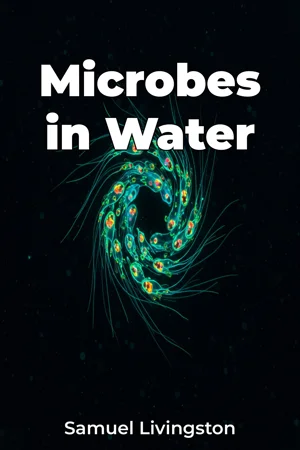
Can microscopic life hold the key to both ecological disaster and environmental salvation? "Microbes in Water" delves into the unseen world of aquatic microorganisms, revealing their pivotal roles in shaping ecosystems, driving biogeochemical cycles, and influencing human health. This book explores the multifaceted existence of microbes in diverse water environments, from pristine lakes and rivers to the depths of the ocean and even engineered water systems. We begin by establishing the fundamental significance of microbes in aquatic environments. They are not merely passive inhabitants but active drivers of nutrient cycling, primary production, and the breakdown of organic matter. Their metabolic diversity allows them to thrive in a wide range of conditions, making them essential for the functioning of aquatic food webs and the overall health of our planet. Understanding microbial ecology is crucial for addressing pressing environmental challenges such as water pollution, climate change, and the spread of infectious diseases. The book examines the beneficial roles of microbes in water purification processes. Many microbes are capable of degrading pollutants, removing excess nutrients, and remediating contaminated sites. We explore the mechanisms behind these processes, highlighting the potential for bioremediation technologies to offer sustainable solutions for water management. Conversely, we also investigate the detrimental impacts of certain microbes, particularly pathogens that cause waterborne diseases. We examine the sources of these pathogens, their transmission routes, and the factors that contribute to disease outbreaks, emphasizing the importance of water quality monitoring and treatment. "Microbes in Water" builds its arguments upon a foundation of established scientific research and real-world case studies. Drawing upon data from field studies, laboratory experiments, and genomic analyses, we present a comprehensive overview of microbial diversity, function, and interactions in aquatic ecosystems. The book connects microbial ecology to broader fields such as environmental science, public health, and biotechnology, illustrating the interdisciplinary nature of water research. The book unfolds in three major sections. First, we introduce the core concepts of microbial ecology, taxonomy, and physiology, providing a foundation for understanding the roles of microbes in water. Second, we delve into specific examples of microbial involvement in key processes, such as nutrient cycling, pollutant degradation, and disease transmission, using case studies from diverse aquatic environments. Finally, we explore the applications of microbial knowledge in water management, focusing on bioremediation, water treatment technologies, and strategies for preventing waterborne diseases. "Microbes in Water" is written for a broad audience, including students, researchers, environmental professionals, and anyone interested in learning more about the unseen world of aquatic microorganisms. The writing style balances scientific rigor with accessibility, making complex concepts understandable to readers with varying levels of scientific background. This book offers a unique perspective by integrating ecological principles with practical applications, highlighting the importance of microbial research for addressing real-world challenges related to water quality and human health. While the book covers a wide range of microbial processes in water, it intentionally limits its scope to focus on freshwater and marine environments, excluding industrial applications outside of bioremediation. This allows for a more in-depth exploration of natural aquatic systems. Ongoing debates surrounding the role of specific microbial communities in climate change and the effectiveness of certain bioremediation strategies are also addressed. By engaging with these controversies, the book aims to stimulate critical thinking and encourage further research in the field. The knowledge presented empowers readers to critically evaluate environmental issues related to water and to advocate for evidence-based solutions.
Can microscopic life hold the key to both ecological disaster and environmental salvation? "Microbes in Water" delves into the unseen world of aquatic microorganisms, revealing their pivotal roles in shaping ecosystems, driving biogeochemical cycles, and influencing human health. This book explores the multifaceted existence of microbes in diverse water environments, from pristine lakes and rivers to the depths of the ocean and even engineered water systems. We begin by establishing the fundamental significance of microbes in aquatic environments. They are not merely passive inhabitants but active drivers of nutrient cycling, primary production, and the breakdown of organic matter. Their metabolic diversity allows them to thrive in a wide range of conditions, making them essential for the functioning of aquatic food webs and the overall health of our planet. Understanding microbial ecology is crucial for addressing pressing environmental challenges such as water pollution, climate change, and the spread of infectious diseases. The book examines the beneficial roles of microbes in water purification processes. Many microbes are capable of degrading pollutants, removing excess nutrients, and remediating contaminated sites. We explore the mechanisms behind these processes, highlighting the potential for bioremediation technologies to offer sustainable solutions for water management. Conversely, we also investigate the detrimental impacts of certain microbes, particularly pathogens that cause waterborne diseases. We examine the sources of these pathogens, their transmission routes, and the factors that contribute to disease outbreaks, emphasizing the importance of water quality monitoring and treatment. "Microbes in Water" builds its arguments upon a foundation of established scientific research and real-world case studies. Drawing upon data from field studies, laboratory experiments, and genomic analyses, we present a comprehensive overview of microbial diversity, function, and interactions in aquatic ecosystems. The book connects microbial ecology to broader fields such as environmental science, public health, and biotechnology, illustrating the interdisciplinary nature of water research. The book unfolds in three major sections. First, we introduce the core concepts of microbial ecology, taxonomy, and physiology, providing a foundation for understanding the roles of microbes in water. Second, we delve into specific examples of microbial involvement in key processes, such as nutrient cycling, pollutant degradation, and disease transmission, using case studies from diverse aquatic environments. Finally, we explore the applications of microbial knowledge in water management, focusing on bioremediation, water treatment technologies, and strategies for preventing waterborne diseases. "Microbes in Water" is written for a broad audience, including students, researchers, environmental professionals, and anyone interested in learning more about the unseen world of aquatic microorganisms. The writing style balances scientific rigor with accessibility, making complex concepts understandable to readers with varying levels of scientific background. This book offers a unique perspective by integrating ecological principles with practical applications, highlighting the importance of microbial research for addressing real-world challenges related to water quality and human health. While the book covers a wide range of microbial processes in water, it intentionally limits its scope to focus on freshwater and marine environments, excluding industrial applications outside of bioremediation. This allows for a more in-depth exploration of natural aquatic systems. Ongoing debates surrounding the role of specific microbial communities in climate change and the effectiveness of certain bioremediation strategies are also addressed. By engaging with these controversies, the book aims to stimulate critical thinking and encourage further research in the field. The knowledge presented empowers readers to critically evaluate environmental issues related to water and to advocate for evidence-based solutions.
"Microbes in Water" reveals the unseen world of aquatic microorganisms and their significant roles in shaping ecosystems and influencing human health. These tiny organisms are not just passive inhabitants, but active drivers of nutrient cycling and primary production, essential for the overall health of our planet. Microbial ecology is key to addressing environmental issues like water pollution and climate change. The book explores the beneficial roles of microbes in water purification, highlighting their ability to degrade pollutants and remediate contaminated sites, offering sustainable solutions for water management. Conversely, it also examines the detrimental impacts of pathogens that cause waterborne diseases, emphasizing the importance of monitoring water quality. It presents a comprehensive overview of microbial diversity and function in aquatic ecosystems, connecting microbial ecology to environmental science, public health, and biotechnology. The book begins by introducing core concepts, then delves into specific examples of microbial involvement in key processes, using case studies, and finally, explores the applications of microbial knowledge in water management, focusing on bioremediation and water treatment technologies. It’s designed for a broad audience, integrating ecological principles with practical applications and addressing ongoing debates to stimulate critical thinking.
Book Details
ISBN
9788233974947
Publisher
Publifye AS
Your Licenses
You don't own any licenses for this book
Purchase a license below to unlock this book and download the EPUB.
Purchase License
Select a tier to unlock this book
Need bulk licensing?
Contact us for enterprise agreements.