
About This Book
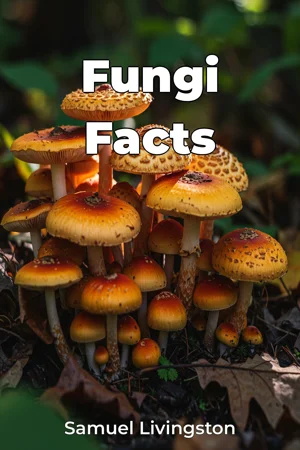
Did you know that the bread you eat, the medicine you take, and the very air you breathe are all profoundly influenced by a kingdom of life often overlooked: fungi? "Fungi Facts" delves into this fascinating realm, exploring the diverse world of fungi, from the familiar mushrooms and molds to their crucial roles in medicine, food production, and ecological balance. This book aims to illuminate the significance of fungi, revealing their importance to human life and the natural world. This exploration begins with a comprehensive introduction to fungal biology. We unpack the unique cellular structure, modes of reproduction, and diverse lifestyles that define this kingdom. Understanding these basics is crucial to appreciate the ecological roles fungi play. The book then transitions to a detailed examination of fungi's impact on medicine. A chapter is dedicated to the discovery and development of life-saving antibiotics like penicillin, derived from molds, and other pharmaceuticals sourced from fungi. This section also explores emerging research on fungal compounds with potential anti-cancer, antiviral, and immune-modulating properties, highlighting the ongoing importance of fungi in drug discovery. The narrative continues into the realm of food, covering both the beneficial and detrimental impacts of fungi. Edible mushrooms are examined, along with the processes of fermentation using yeasts to produce bread, beer, and wine. The less desirable side of fungi in food, such as spoilage and mycotoxin contamination, is also discussed, providing a balanced perspective. "Fungi Facts" presents its content through a combination of scientific data, historical accounts, and case studies. Research findings from mycological studies, medical journals, and food science are all integrated to support the arguments. The approach is factual and evidence-based, targeting readers with an interest in science, biology, and microbiology, as well as anyone curious about the natural world. Although technical terms are used, they are clearly defined, and the information is presented in a manner accessible to a general audience. The book connects to several other fields, including medicine, agriculture, and environmental science. The chapters on medicinal applications naturally link to pharmacology and immunology. The discussion of food and spoilage connects to agricultural practices and food safety regulations. Finally, the role of fungi in nutrient cycling and decomposition ties into broader ecological studies and conservation efforts. "Fungi Facts" recognizes that the study of fungi is continually evolving. The book will discuss some existing controversies in fungal taxonomy and ecological roles. It addresses the challenges in identifying and classifying fungal species, as well as the ongoing debates about fungal contributions to climate change and ecosystem health. The content in "Fungi Facts" can be applied in numerous ways. For students, it provides a foundational understanding of mycology for further studies. For healthcare professionals, it offers insights into fungal infections and drug development. For those in the food industry it highlights the importance of fungal management and quality control. Ultimately, "Fungi Facts" provides a clear and engaging overview of our planet's fungal kingdom.
Did you know that the bread you eat, the medicine you take, and the very air you breathe are all profoundly influenced by a kingdom of life often overlooked: fungi? "Fungi Facts" delves into this fascinating realm, exploring the diverse world of fungi, from the familiar mushrooms and molds to their crucial roles in medicine, food production, and ecological balance. This book aims to illuminate the significance of fungi, revealing their importance to human life and the natural world. This exploration begins with a comprehensive introduction to fungal biology. We unpack the unique cellular structure, modes of reproduction, and diverse lifestyles that define this kingdom. Understanding these basics is crucial to appreciate the ecological roles fungi play. The book then transitions to a detailed examination of fungi's impact on medicine. A chapter is dedicated to the discovery and development of life-saving antibiotics like penicillin, derived from molds, and other pharmaceuticals sourced from fungi. This section also explores emerging research on fungal compounds with potential anti-cancer, antiviral, and immune-modulating properties, highlighting the ongoing importance of fungi in drug discovery. The narrative continues into the realm of food, covering both the beneficial and detrimental impacts of fungi. Edible mushrooms are examined, along with the processes of fermentation using yeasts to produce bread, beer, and wine. The less desirable side of fungi in food, such as spoilage and mycotoxin contamination, is also discussed, providing a balanced perspective. "Fungi Facts" presents its content through a combination of scientific data, historical accounts, and case studies. Research findings from mycological studies, medical journals, and food science are all integrated to support the arguments. The approach is factual and evidence-based, targeting readers with an interest in science, biology, and microbiology, as well as anyone curious about the natural world. Although technical terms are used, they are clearly defined, and the information is presented in a manner accessible to a general audience. The book connects to several other fields, including medicine, agriculture, and environmental science. The chapters on medicinal applications naturally link to pharmacology and immunology. The discussion of food and spoilage connects to agricultural practices and food safety regulations. Finally, the role of fungi in nutrient cycling and decomposition ties into broader ecological studies and conservation efforts. "Fungi Facts" recognizes that the study of fungi is continually evolving. The book will discuss some existing controversies in fungal taxonomy and ecological roles. It addresses the challenges in identifying and classifying fungal species, as well as the ongoing debates about fungal contributions to climate change and ecosystem health. The content in "Fungi Facts" can be applied in numerous ways. For students, it provides a foundational understanding of mycology for further studies. For healthcare professionals, it offers insights into fungal infections and drug development. For those in the food industry it highlights the importance of fungal management and quality control. Ultimately, "Fungi Facts" provides a clear and engaging overview of our planet's fungal kingdom.
"Fungi Facts" unveils the hidden world of fungi, exploring their profound influence on our lives and the environment. From the antibiotics that fight infections to the fermentation processes that give us bread and beer, fungi play a crucial role in medicine and food production. You might be surprised to learn that certain fungi are being researched for their potential anti-cancer properties, showcasing their ongoing importance in drug discovery and potentially revolutionizing how we approach complex diseases. This book provides a comprehensive introduction to fungal biology, explaining their unique structure, reproduction, and diverse lifestyles. It progresses through chapters dedicated to medicine, food, and ecological balance, presenting scientific data, historical accounts, and illuminating case studies. By exploring both the beneficial and detrimental aspects of fungi, such as their role in food spoilage, "Fungi Facts" offers a balanced perspective, highlighting the significance of mycology in our daily lives and offering insights into the ongoing debates surrounding fungal contributions to climate change.
Book Details
ISBN
9788233974879
Publisher
Publifye AS
Your Licenses
You don't own any licenses for this book
Purchase a license below to unlock this book and download the EPUB.
Purchase License
Select a tier to unlock this book
Need bulk licensing?
Contact us for enterprise agreements.