
About This Book
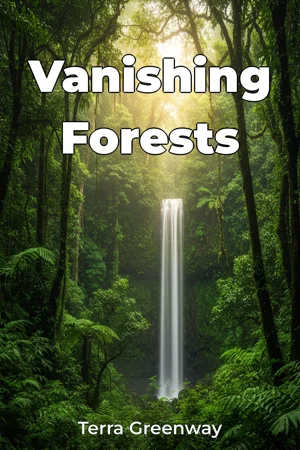
Are we losing the silent giants that sustain life on Earth? "Vanishing Forests" explores the alarming rate at which the world's most endangered forests are disappearing, the multifaceted reasons behind their decline, and the increasingly urgent efforts being undertaken to protect these vital ecosystems. This book delves into the heart of a global crisis, inviting readers to understand the profound consequences of deforestation and the critical importance of forest conservation. Central to the book are three key themes: the ecological significance of endangered forests, the diverse drivers of deforestation, and the spectrum of conservation strategies being implemented worldwide. Understanding these topics is crucial because endangered forests are biodiversity hotspots, play a pivotal role in climate regulation, and provide essential resources for numerous communities. The book provides a geographical and historical backdrop of forest biomes, from tropical rainforests to boreal forests, and explains basic ecological concepts such as carbon sequestration, biodiversity, and ecosystem services, ensuring the reader is equipped to grasp the complexities of forest conservation. "Vanishing Forests" argues that the continued destruction of these ecosystems poses a grave threat to the planet's ecological stability and human well-being, and that a comprehensive and collaborative approach is essential for effective conservation. The book is structured to systematically build this argument. It begins by introducing the unique characteristics and ecological roles of various endangered forest types. It then examines the principal causes of deforestation, including agricultural expansion, logging, mining, and climate change. The book culminates by evaluating the effectiveness of different conservation approaches, such as protected areas, sustainable forestry practices, community-based conservation, and international policy initiatives. Throughout, the book draws on a wide range of scientific research, data from governmental and non-governmental organizations, and case studies from around the world. Statistical analyses of deforestation rates, biodiversity loss, and carbon emissions are presented alongside qualitative accounts of the human impact of forest destruction and successful conservation efforts. The book connects the fields of ecology, economics, and policy, demonstrating how environmental issues are intertwined with social and economic systems. It highlights the economic drivers of deforestation, the social impacts on indigenous communities, and the policy frameworks needed to promote sustainable forest management. It offers a balanced perspective, acknowledging the complex trade-offs between economic development and environmental protection. "Vanishing Forests" adopts a fact-based approach, presenting information in a clear and accessible manner, suitable for a broad audience including environmental science students, policymakers, conservation professionals, and concerned citizens. This book avoids technical jargon where possible to clearly communicate complex concepts to a discerning reader. The scope of the book is global, covering endangered forests on every continent, but with a focus on regions where deforestation rates are highest and conservation efforts are most critical, while acknowledging the importance of local context. The information in "Vanishing Forests" can be practically applied by readers in several ways. It can inform individual choices, such as supporting sustainable products and reducing consumption. It can empower citizens to advocate for stronger environmental policies. And it can provide policymakers and conservation organizations with evidence-based strategies for effective forest management. The field of forest conservation is marked by several ongoing debates, including the role of market-based mechanisms in promoting sustainability, the effectiveness of different conservation strategies, and the rights of indigenous communities in forest management. "Vanishing Forests" addresses these controversies by presenting different perspectives and evaluating the evidence for each.
Are we losing the silent giants that sustain life on Earth? "Vanishing Forests" explores the alarming rate at which the world's most endangered forests are disappearing, the multifaceted reasons behind their decline, and the increasingly urgent efforts being undertaken to protect these vital ecosystems. This book delves into the heart of a global crisis, inviting readers to understand the profound consequences of deforestation and the critical importance of forest conservation. Central to the book are three key themes: the ecological significance of endangered forests, the diverse drivers of deforestation, and the spectrum of conservation strategies being implemented worldwide. Understanding these topics is crucial because endangered forests are biodiversity hotspots, play a pivotal role in climate regulation, and provide essential resources for numerous communities. The book provides a geographical and historical backdrop of forest biomes, from tropical rainforests to boreal forests, and explains basic ecological concepts such as carbon sequestration, biodiversity, and ecosystem services, ensuring the reader is equipped to grasp the complexities of forest conservation. "Vanishing Forests" argues that the continued destruction of these ecosystems poses a grave threat to the planet's ecological stability and human well-being, and that a comprehensive and collaborative approach is essential for effective conservation. The book is structured to systematically build this argument. It begins by introducing the unique characteristics and ecological roles of various endangered forest types. It then examines the principal causes of deforestation, including agricultural expansion, logging, mining, and climate change. The book culminates by evaluating the effectiveness of different conservation approaches, such as protected areas, sustainable forestry practices, community-based conservation, and international policy initiatives. Throughout, the book draws on a wide range of scientific research, data from governmental and non-governmental organizations, and case studies from around the world. Statistical analyses of deforestation rates, biodiversity loss, and carbon emissions are presented alongside qualitative accounts of the human impact of forest destruction and successful conservation efforts. The book connects the fields of ecology, economics, and policy, demonstrating how environmental issues are intertwined with social and economic systems. It highlights the economic drivers of deforestation, the social impacts on indigenous communities, and the policy frameworks needed to promote sustainable forest management. It offers a balanced perspective, acknowledging the complex trade-offs between economic development and environmental protection. "Vanishing Forests" adopts a fact-based approach, presenting information in a clear and accessible manner, suitable for a broad audience including environmental science students, policymakers, conservation professionals, and concerned citizens. This book avoids technical jargon where possible to clearly communicate complex concepts to a discerning reader. The scope of the book is global, covering endangered forests on every continent, but with a focus on regions where deforestation rates are highest and conservation efforts are most critical, while acknowledging the importance of local context. The information in "Vanishing Forests" can be practically applied by readers in several ways. It can inform individual choices, such as supporting sustainable products and reducing consumption. It can empower citizens to advocate for stronger environmental policies. And it can provide policymakers and conservation organizations with evidence-based strategies for effective forest management. The field of forest conservation is marked by several ongoing debates, including the role of market-based mechanisms in promoting sustainability, the effectiveness of different conservation strategies, and the rights of indigenous communities in forest management. "Vanishing Forests" addresses these controversies by presenting different perspectives and evaluating the evidence for each.
"Vanishing Forests" explores the critical issue of deforestation and its devastating impact on our planet's endangered forests. This book investigates the reasons behind the alarming decline of these vital ecosystems, which serve as biodiversity hotspots and play a crucial role in climate regulation through carbon sequestration. Highlighting the ecological significance of these forests, the book also examines the various drivers of deforestation, including agricultural expansion and unsustainable logging practices, while emphasizing the urgent need for comprehensive conservation strategies. The book systematically progresses from introducing endangered forest types and their ecological roles to analyzing the causes of deforestation and evaluating different conservation approaches. By drawing on scientific research, data from organizations, and case studies from around the world, "Vanishing Forests" presents a fact-based analysis of the complex interplay between ecology, economics, and policy. It underscores the importance of sustainable forestry and environmental protection for ecological stability and human well-being, offering a balanced perspective on the trade-offs between economic development and conservation.
Book Details
ISBN
9788233974831
Publisher
Publifye AS
Your Licenses
You don't own any licenses for this book
Purchase a license below to unlock this book and download the EPUB.
Purchase License
Select a tier to unlock this book
Need bulk licensing?
Contact us for enterprise agreements.