
About This Book
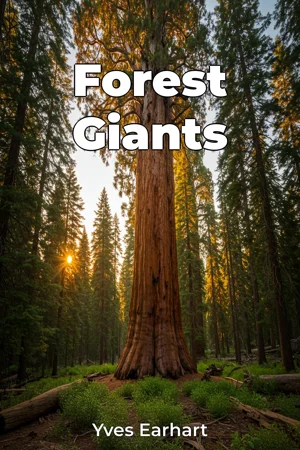
Have you ever considered that the silent giants of our forests, often unseen and unacknowledged, are among the most critical players in Earth's ecosystems? "Forest Giants" delves into the lives and ecological roles of the world’s largest trees by volume, exploring their significance in maintaining global environmental health. This book examines three primary areas: the biological characteristics of these colossal trees, their critical roles in carbon sequestration and biodiversity, and the threats they face in the modern world. Understanding these topics is crucial because the fate of these trees is inextricably linked to the health of our planet. To fully appreciate the importance of these forest giants, some background is necessary. For millennia, forests have shaped our planet's climate and provided habitat for countless species. The largest trees, often living for hundreds or even thousands of years, are the keystone species within these ecosystems. "Forest Giants" argues that protecting these trees is essential for mitigating climate change and preserving biodiversity. This argument stems from the disproportionate ecological impact these trees have compared to smaller flora. The book begins by introducing the concept of "volume" as a measure of tree size, differentiating it from height or trunk diameter. It then profiles several of the world's largest trees, including the General Sherman sequoia, highlighting their unique adaptations and life histories. The following sections explore the critical roles these trees play in carbon sequestration, water cycling, and soil stabilization. It further illustrates how these trees create habitat for a vast array of species, supporting complex food webs and ecological interactions. A significant portion of the book is dedicated to the threats these trees face, including logging, climate change, and disease. It examines the impacts of these threats on forest ecosystems and the potential consequences for global climate and biodiversity. The book culminates with a discussion of conservation strategies, including sustainable forestry practices, reforestation efforts, and policy changes aimed at protecting these natural monuments. The arguments presented in "Forest Giants" are supported by scientific research, including dendrochronology, ecological surveys, and climate modeling. Data from organizations like the U.S. Forest Service and the International Union for Conservation of Nature (IUCN) will be used to illustrate the distribution, health, and conservation status of these trees. The book draws connections between forestry, climate science, and ecology, demonstrating how an interdisciplinary approach is essential for addressing the challenges facing these ecosystems. It also integrates aspects of environmental policy and economics to explore potential solutions for sustainable forest management. "Forest Giants" offers a fresh perspective by focusing on tree volume as a primary indicator of ecological significance. This approach highlights the outsized contribution of these trees to ecosystem services. The book adopts a narrative non-fiction style, blending scientific information with compelling stories of the trees and the people working to protect them. Aimed at a broad audience, including nature enthusiasts, environmental scientists, policymakers, and anyone interested in conservation, "Forest Giants" seeks to inform and inspire action. Readers will gain a deeper understanding of the ecological roles of these trees, the threats they face, and the steps that can be taken to ensure their survival. The book's scope is intentionally limited to the largest trees by volume to provide a focused examination of their specific ecological roles and conservation needs. While acknowledging the importance of smaller trees and other forest components, the book concentrates on these giants to underscore their unique value. The information presented in "Forest Giants" can be applied to inform conservation efforts, guide sustainable forestry practices, and educate the public about the importance of forest ecosystems. The book also addresses ongoing debates surrounding forest management practices and the role of forests in mitigating climate change, presenting a balanced perspective based on current scientific evidence.
Have you ever considered that the silent giants of our forests, often unseen and unacknowledged, are among the most critical players in Earth's ecosystems? "Forest Giants" delves into the lives and ecological roles of the world’s largest trees by volume, exploring their significance in maintaining global environmental health. This book examines three primary areas: the biological characteristics of these colossal trees, their critical roles in carbon sequestration and biodiversity, and the threats they face in the modern world. Understanding these topics is crucial because the fate of these trees is inextricably linked to the health of our planet. To fully appreciate the importance of these forest giants, some background is necessary. For millennia, forests have shaped our planet's climate and provided habitat for countless species. The largest trees, often living for hundreds or even thousands of years, are the keystone species within these ecosystems. "Forest Giants" argues that protecting these trees is essential for mitigating climate change and preserving biodiversity. This argument stems from the disproportionate ecological impact these trees have compared to smaller flora. The book begins by introducing the concept of "volume" as a measure of tree size, differentiating it from height or trunk diameter. It then profiles several of the world's largest trees, including the General Sherman sequoia, highlighting their unique adaptations and life histories. The following sections explore the critical roles these trees play in carbon sequestration, water cycling, and soil stabilization. It further illustrates how these trees create habitat for a vast array of species, supporting complex food webs and ecological interactions. A significant portion of the book is dedicated to the threats these trees face, including logging, climate change, and disease. It examines the impacts of these threats on forest ecosystems and the potential consequences for global climate and biodiversity. The book culminates with a discussion of conservation strategies, including sustainable forestry practices, reforestation efforts, and policy changes aimed at protecting these natural monuments. The arguments presented in "Forest Giants" are supported by scientific research, including dendrochronology, ecological surveys, and climate modeling. Data from organizations like the U.S. Forest Service and the International Union for Conservation of Nature (IUCN) will be used to illustrate the distribution, health, and conservation status of these trees. The book draws connections between forestry, climate science, and ecology, demonstrating how an interdisciplinary approach is essential for addressing the challenges facing these ecosystems. It also integrates aspects of environmental policy and economics to explore potential solutions for sustainable forest management. "Forest Giants" offers a fresh perspective by focusing on tree volume as a primary indicator of ecological significance. This approach highlights the outsized contribution of these trees to ecosystem services. The book adopts a narrative non-fiction style, blending scientific information with compelling stories of the trees and the people working to protect them. Aimed at a broad audience, including nature enthusiasts, environmental scientists, policymakers, and anyone interested in conservation, "Forest Giants" seeks to inform and inspire action. Readers will gain a deeper understanding of the ecological roles of these trees, the threats they face, and the steps that can be taken to ensure their survival. The book's scope is intentionally limited to the largest trees by volume to provide a focused examination of their specific ecological roles and conservation needs. While acknowledging the importance of smaller trees and other forest components, the book concentrates on these giants to underscore their unique value. The information presented in "Forest Giants" can be applied to inform conservation efforts, guide sustainable forestry practices, and educate the public about the importance of forest ecosystems. The book also addresses ongoing debates surrounding forest management practices and the role of forests in mitigating climate change, presenting a balanced perspective based on current scientific evidence.
"Forest Giants" explores the vital roles of the world's largest trees by volume in sustaining our planet's environmental health. These silent sentinels are key players in forest ecosystems, disproportionately contributing to carbon sequestration and biodiversity. The book highlights the immense volume of these trees as a crucial metric, distinguishing them from simple measures of height or diameter, and emphasizes their ecological significance. The book progresses from detailing the biological characteristics of these colossal trees, like the General Sherman sequoia, to examining their critical functions in carbon cycling, water regulation, and habitat creation. A significant portion addresses the threats they face, including logging and climate change, and discusses conservation strategies, sustainable forestry practices, and policy changes necessary for their protection. Understanding the ecological roles of these trees, the threats they face, and the steps that can be taken to ensure their survival is critical for the health of our planet.
Book Details
ISBN
9788233974763
Publisher
Publifye AS
Your Licenses
You don't own any licenses for this book
Purchase a license below to unlock this book and download the EPUB.
Purchase License
Select a tier to unlock this book
Need bulk licensing?
Contact us for enterprise agreements.