
About This Book
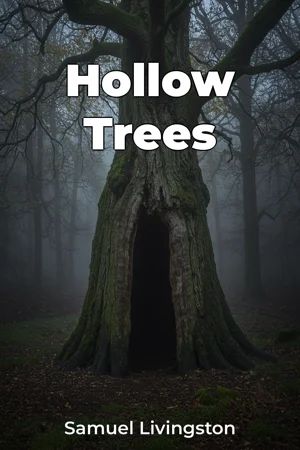
Have you ever wondered how a sturdy tree, seemingly solid, can harbor a hidden world within its trunk? "Hollow Trees" delves into the natural processes that lead to the formation of these unique ecosystems and explores the vital role they play as havens for diverse animal life. This book examines the biological, ecological, and evolutionary factors that influence the creation and utilization of tree hollows, answering fundamental questions about forest dynamics and wildlife conservation. This book is important because it illuminates a little-understood aspect of forest ecosystems. Tree hollows are not merely dead spaces in aging trees; they represent critical habitat features essential for the survival of numerous species. Understanding their formation, inhabitants, and ecological significance is vital for effective forest management and biodiversity preservation. To fully appreciate the phenomenon of hollow trees, we will explore the underlying biological processes. This involves understanding wood decay, the role of fungi and bacteria, and the tree's defense mechanisms. We'll also examine the ecological context, including competition for hollows, predator-prey relationships within these cavities, and the broader impact of hollow-dependent species on forest health. Prerequisite knowledge is minimal, and topics are presented clearly: a basic understanding of biology and ecological principles is helpful, and the book explains these concepts along the way. The central argument of "Hollow Trees" is that these natural cavities are keystone features of forest ecosystems, disproportionately influencing biodiversity and playing a crucial role in the life cycles of a wide array of animals. We aim to demonstrate how the presence or absence of hollow trees can dramatically affect species distributions, population sizes, and overall forest resilience. This book offers a comprehensive look at these underappreciated ecosystems, providing an understanding of their importance in a changing world. The book begins by introducing the concept of tree hollows and explaining how they form through natural processes such as decay and weathering. It proceeds to explore the diverse animal communities that inhabit these hollows, including birds, mammals, reptiles, amphibians, and invertebrates. We will discuss the specific adaptations that allow these animals to thrive in this environment, as well as the ecological interactions that shape these communities. The subsequent sections delve into the factors that influence the availability of tree hollows, such as tree age, species, and forest management practices. We will examine the impact of deforestation, logging and climate change on the abundance and quality of hollow trees, and discuss strategies for mitigating these threats. Finally, the book culminates in a discussion of the conservation implications of hollow tree ecology, highlighting the importance of preserving old-growth forests and promoting sustainable forestry practices. The evidence presented will draw primarily from ecological studies, field observations, and scientific literature. We will analyze data on species distributions, habitat use, and population dynamics to support the main arguments. The book will also incorporate insights from tree physiology and pathology, examining the mechanisms of wood decay and tree defense. "Hollow Trees" also connects to other fields such as wildlife management, conservation biology, and forestry. By highlighting the importance of tree hollows as habitat features, the book provides a valuable resource for professionals and researchers working in these areas. The connection to climate science is also important as changes in temperature and precipitation patterns can affect the rate of decay and the availability of tree hollows. This book offers a unique perspective by integrating ecological and physiological insights to provide a holistic understanding of hollow tree ecosystems. The writing style is accessible and engaging, making it suitable for a broad audience. The target audience includes students, researchers, natural resource managers, and anyone with an interest in forest ecology and wildlife conservation. This book will be valuable to readers who seek to deepen their understanding of the hidden worlds within trees and the importance of preserving these valuable habitats. As a work of nature and science, "Hollow Trees" adheres to the conventions of scientific accuracy, clear communication, and evidence-based arguments. The book aims to provide a comprehensive and nuanced understanding of the subject matter through objective analysis and insightful discussion. The scope of the book is intentionally limited to the ecological and biological aspects of tree hollows, focusing primarily on forests. While acknowledging the broader environmental context, it will not delve into the social or economic dimensions of forestry. The information presented can be applied to practical conservation efforts, such as habitat restoration, wildlife management, and sustainable forestry. By understanding the needs of hollow-dependent species, readers can contribute to the preservation of these valuable ecosystems. While the ecological role of tree hollows is generally well-accepted, debates persist regarding the optimal management strategies for promoting their abundance and quality. The book will address these controversies by presenting different perspectives and evaluating the evidence supporting each viewpoint.
Have you ever wondered how a sturdy tree, seemingly solid, can harbor a hidden world within its trunk? "Hollow Trees" delves into the natural processes that lead to the formation of these unique ecosystems and explores the vital role they play as havens for diverse animal life. This book examines the biological, ecological, and evolutionary factors that influence the creation and utilization of tree hollows, answering fundamental questions about forest dynamics and wildlife conservation. This book is important because it illuminates a little-understood aspect of forest ecosystems. Tree hollows are not merely dead spaces in aging trees; they represent critical habitat features essential for the survival of numerous species. Understanding their formation, inhabitants, and ecological significance is vital for effective forest management and biodiversity preservation. To fully appreciate the phenomenon of hollow trees, we will explore the underlying biological processes. This involves understanding wood decay, the role of fungi and bacteria, and the tree's defense mechanisms. We'll also examine the ecological context, including competition for hollows, predator-prey relationships within these cavities, and the broader impact of hollow-dependent species on forest health. Prerequisite knowledge is minimal, and topics are presented clearly: a basic understanding of biology and ecological principles is helpful, and the book explains these concepts along the way. The central argument of "Hollow Trees" is that these natural cavities are keystone features of forest ecosystems, disproportionately influencing biodiversity and playing a crucial role in the life cycles of a wide array of animals. We aim to demonstrate how the presence or absence of hollow trees can dramatically affect species distributions, population sizes, and overall forest resilience. This book offers a comprehensive look at these underappreciated ecosystems, providing an understanding of their importance in a changing world. The book begins by introducing the concept of tree hollows and explaining how they form through natural processes such as decay and weathering. It proceeds to explore the diverse animal communities that inhabit these hollows, including birds, mammals, reptiles, amphibians, and invertebrates. We will discuss the specific adaptations that allow these animals to thrive in this environment, as well as the ecological interactions that shape these communities. The subsequent sections delve into the factors that influence the availability of tree hollows, such as tree age, species, and forest management practices. We will examine the impact of deforestation, logging and climate change on the abundance and quality of hollow trees, and discuss strategies for mitigating these threats. Finally, the book culminates in a discussion of the conservation implications of hollow tree ecology, highlighting the importance of preserving old-growth forests and promoting sustainable forestry practices. The evidence presented will draw primarily from ecological studies, field observations, and scientific literature. We will analyze data on species distributions, habitat use, and population dynamics to support the main arguments. The book will also incorporate insights from tree physiology and pathology, examining the mechanisms of wood decay and tree defense. "Hollow Trees" also connects to other fields such as wildlife management, conservation biology, and forestry. By highlighting the importance of tree hollows as habitat features, the book provides a valuable resource for professionals and researchers working in these areas. The connection to climate science is also important as changes in temperature and precipitation patterns can affect the rate of decay and the availability of tree hollows. This book offers a unique perspective by integrating ecological and physiological insights to provide a holistic understanding of hollow tree ecosystems. The writing style is accessible and engaging, making it suitable for a broad audience. The target audience includes students, researchers, natural resource managers, and anyone with an interest in forest ecology and wildlife conservation. This book will be valuable to readers who seek to deepen their understanding of the hidden worlds within trees and the importance of preserving these valuable habitats. As a work of nature and science, "Hollow Trees" adheres to the conventions of scientific accuracy, clear communication, and evidence-based arguments. The book aims to provide a comprehensive and nuanced understanding of the subject matter through objective analysis and insightful discussion. The scope of the book is intentionally limited to the ecological and biological aspects of tree hollows, focusing primarily on forests. While acknowledging the broader environmental context, it will not delve into the social or economic dimensions of forestry. The information presented can be applied to practical conservation efforts, such as habitat restoration, wildlife management, and sustainable forestry. By understanding the needs of hollow-dependent species, readers can contribute to the preservation of these valuable ecosystems. While the ecological role of tree hollows is generally well-accepted, debates persist regarding the optimal management strategies for promoting their abundance and quality. The book will address these controversies by presenting different perspectives and evaluating the evidence supporting each viewpoint.
"Hollow Trees" explores the hidden ecosystems within tree cavities, revealing their vital role in forest ecology and wildlife conservation. These aren't just empty spaces; they're dynamic habitats crucial for biodiversity. Did you know that tree hollows, formed through natural processes like wood decay, can house a variety of animals from birds and mammals to reptiles and invertebrates? The book emphasizes how the presence or absence of these hollows dramatically affects species distribution and forest resilience. This exploration progresses logically, beginning with the formation of tree hollows and the diverse communities they support. It delves into factors influencing their availability, like tree age and forest management, and considers the impacts of deforestation and climate change. The book uniquely integrates ecological and physiological insights, offering a holistic view of these underappreciated ecosystems. It highlights the importance of preserving old-growth forests and adopting sustainable forestry practices for habitat restoration and wildlife management.
Book Details
ISBN
9788233974701
Publisher
Publifye AS
Your Licenses
You don't own any licenses for this book
Purchase a license below to unlock this book and download the EPUB.
Purchase License
Select a tier to unlock this book
Need bulk licensing?
Contact us for enterprise agreements.