
About This Book
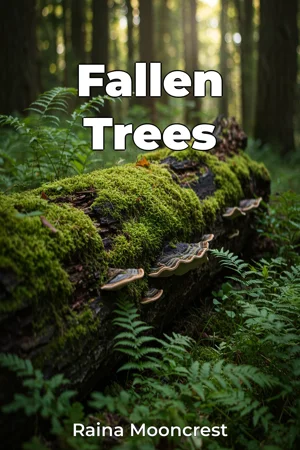
What happens when a giant of the forest falls? More than meets the eye. "Fallen Trees" delves into the surprising and vital role that deadwood plays in sustaining forest life. This book illuminates how fallen trees are not merely signs of decay, but rather dynamic foundations for new ecosystems, offering crucial support to a vast array of wildlife and contributing significantly to forest health. We will explore three core themes. First, we examine fallen trees as critical habitats, sheltering everything from insects and fungi to amphibians, reptiles, birds, and mammals. Secondly, we investigate the decomposition process and its impact on nutrient cycling, soil enrichment, and overall forest productivity. Finally, we consider the long-term ecological legacies of fallen trees and their influence on forest regeneration and resilience. Understanding these roles is crucial because it challenges conventional views of forest management and underscores the importance of preserving natural processes. The book's investigation is grounded in decades of ecological research on forest dynamics and decomposition ecology. Expect to see data from long-term forest monitoring plots, experimental studies on decomposition rates, and detailed analyses of wildlife use of deadwood habitats. We present original field data gathered from diverse forest types, ranging from boreal to temperate zones, alongside synthesis of existing scientific literature. Our methodologies include species surveys, measurement of decomposition rates, and analysis of soil chemistry and nutrient cycling. "Fallen Trees" builds its central argument – that deadwood is an essential component of healthy, functioning forests – through five distinct parts. Part one introduces the concept of deadwood ecology, defining key terms and outlining the historical context of scientific understanding. Parts two and three delve into the biological and chemical processes involved in decomposition, exploring the diverse communities of organisms that colonize fallen trees and the ways in which they alter the surrounding environment. Part four examines the role of fallen trees as habitat for a wide range of wildlife species, highlighting specific examples and case studies. Part five considers the implications of deadwood ecology for forest management, offering practical guidelines for promoting deadwood accumulation and maintaining biodiversity. The book connects to other fields such as wildlife conservation, soil science, and climate change research. The conservation aspect highlights how essential deadwood is for species that rely on it; the soil science connection explores how decomposition enriches the soil; finally, the climate change research explains how deadwood can be linked to carbon storage. "Fallen Trees" differentiates itself by adopting a holistic approach, integrating ecological, chemical, and biological perspectives to create a comprehensive understanding of deadwood dynamics. The book's tone is informative, engaging, and accessible to a broad audience, including ecologists, foresters, conservationists, naturalists, and anyone with an interest in the natural world. The book's scope focuses specifically on the ecological roles of fallen trees in terrestrial forest ecosystems, with some limitations on the inclusion of aquatic or mangrove ecosystems. The information presented in "Fallen Trees" has numerous real-world applications. Forest managers can use the insights to develop sustainable harvesting practices that minimize impacts on deadwood and maximize biodiversity. Conservationists can use the information to identify priority areas for deadwood conservation and restoration. While this book champions the importance of deadwood, it also acknowledges the ongoing debates surrounding forest management and the role of natural disturbances. Some view deadwood as a fire risk or an impediment to timber production, and the book addresses these concerns by presenting evidence-based strategies for balancing ecological and economic objectives. Written in a style that blends scientific rigor with narrative clarity, "Fallen Trees" aims to foster a deeper appreciation for the hidden wonders of the forest floor and the vital role that fallen trees play in sustaining life.
What happens when a giant of the forest falls? More than meets the eye. "Fallen Trees" delves into the surprising and vital role that deadwood plays in sustaining forest life. This book illuminates how fallen trees are not merely signs of decay, but rather dynamic foundations for new ecosystems, offering crucial support to a vast array of wildlife and contributing significantly to forest health. We will explore three core themes. First, we examine fallen trees as critical habitats, sheltering everything from insects and fungi to amphibians, reptiles, birds, and mammals. Secondly, we investigate the decomposition process and its impact on nutrient cycling, soil enrichment, and overall forest productivity. Finally, we consider the long-term ecological legacies of fallen trees and their influence on forest regeneration and resilience. Understanding these roles is crucial because it challenges conventional views of forest management and underscores the importance of preserving natural processes. The book's investigation is grounded in decades of ecological research on forest dynamics and decomposition ecology. Expect to see data from long-term forest monitoring plots, experimental studies on decomposition rates, and detailed analyses of wildlife use of deadwood habitats. We present original field data gathered from diverse forest types, ranging from boreal to temperate zones, alongside synthesis of existing scientific literature. Our methodologies include species surveys, measurement of decomposition rates, and analysis of soil chemistry and nutrient cycling. "Fallen Trees" builds its central argument – that deadwood is an essential component of healthy, functioning forests – through five distinct parts. Part one introduces the concept of deadwood ecology, defining key terms and outlining the historical context of scientific understanding. Parts two and three delve into the biological and chemical processes involved in decomposition, exploring the diverse communities of organisms that colonize fallen trees and the ways in which they alter the surrounding environment. Part four examines the role of fallen trees as habitat for a wide range of wildlife species, highlighting specific examples and case studies. Part five considers the implications of deadwood ecology for forest management, offering practical guidelines for promoting deadwood accumulation and maintaining biodiversity. The book connects to other fields such as wildlife conservation, soil science, and climate change research. The conservation aspect highlights how essential deadwood is for species that rely on it; the soil science connection explores how decomposition enriches the soil; finally, the climate change research explains how deadwood can be linked to carbon storage. "Fallen Trees" differentiates itself by adopting a holistic approach, integrating ecological, chemical, and biological perspectives to create a comprehensive understanding of deadwood dynamics. The book's tone is informative, engaging, and accessible to a broad audience, including ecologists, foresters, conservationists, naturalists, and anyone with an interest in the natural world. The book's scope focuses specifically on the ecological roles of fallen trees in terrestrial forest ecosystems, with some limitations on the inclusion of aquatic or mangrove ecosystems. The information presented in "Fallen Trees" has numerous real-world applications. Forest managers can use the insights to develop sustainable harvesting practices that minimize impacts on deadwood and maximize biodiversity. Conservationists can use the information to identify priority areas for deadwood conservation and restoration. While this book champions the importance of deadwood, it also acknowledges the ongoing debates surrounding forest management and the role of natural disturbances. Some view deadwood as a fire risk or an impediment to timber production, and the book addresses these concerns by presenting evidence-based strategies for balancing ecological and economic objectives. Written in a style that blends scientific rigor with narrative clarity, "Fallen Trees" aims to foster a deeper appreciation for the hidden wonders of the forest floor and the vital role that fallen trees play in sustaining life.
"Fallen Trees" reveals the surprising importance of deadwood in forest ecosystems, demonstrating that fallen trees are not just decaying matter but vital components of forest health. These fallen giants act as critical habitats, supporting a diverse array of wildlife from insects and fungi to larger animals. This resource explores how decomposition enriches the soil through nutrient cycling and contributes significantly to forest productivity, challenging conventional views of forest management. The book dives deep into the biological and chemical processes involved in decomposition and examines how fallen trees serve as homes for a wide variety of wildlife. It emphasizes the long-term ecological legacies of fallen trees and their influence on forest regeneration, resilience, and biodiversity. By integrating ecological, chemical, and biological perspectives, "Fallen Trees" provides a holistic understanding of deadwood dynamics. Through five distinct parts, the book progresses from introducing deadwood ecology to exploring decomposition processes, examining its role as wildlife habitat, and considering its implications for forest management. This approach will encourage readers to appreciate the hidden wonders of the forest floor and the essential role of fallen trees in sustaining terrestrial ecosystems.
Book Details
ISBN
9788233974695
Publisher
Publifye AS
Your Licenses
You don't own any licenses for this book
Purchase a license below to unlock this book and download the EPUB.
Purchase License
Select a tier to unlock this book
Need bulk licensing?
Contact us for enterprise agreements.