
About This Book
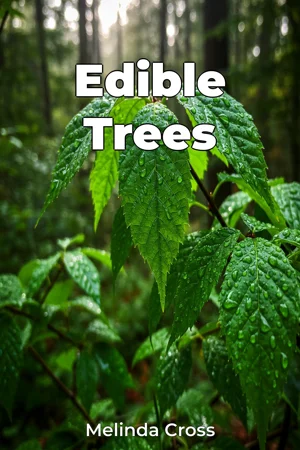
Did you know that the trees around you offer a wealth of edible and medicinal resources? "Edible Trees" explores the untapped potential of tree leaves, bark, and flowers as sources of nourishment and healing, merging the fields of nature and cooking to reveal a new perspective on our relationship with the plant world. This book delves into the identification, preparation, and applications of edible tree components, offering a comprehensive guide for both culinary exploration and medicinal use. The primary topics addressed include the nutritional and medicinal properties of various tree parts, safe identification techniques to avoid toxic look-alikes, and culinary applications ranging from traditional recipes to modern gastronomic innovations. Understanding these elements is crucial for promoting sustainable foraging practices and appreciating the ecological significance of trees as providers of diverse resources. Historically, many cultures have relied on trees for more than just timber and fruit. Traditional medicine systems around the world incorporated tree bark, leaves, and flowers for their therapeutic properties. This book builds upon that knowledge, combining it with modern scientific research to validate these traditional uses and explore new applications. A basic understanding of botany and plant identification is helpful but not required. Clear descriptions and illustrations will guide readers through the identification process. "Edible Trees" argues that a deeper understanding of the nutritional and medicinal value of trees can foster a more sustainable and respectful relationship with our environment. By recognizing trees as sources of food and medicine, we can promote conservation efforts and rediscover the potential of local ecosystems. The book begins by introducing key botanical terms and providing guidelines for safe and ethical foraging. Following this introductory material, the book is structured in three major sections. The first section focuses on edible leaves, detailing their nutritional profiles, culinary uses in salads, teas, and cooked dishes, and medicinal applications for various ailments. The second section explores the uses of tree bark, examining its role in traditional medicine as a source of tannins, antioxidants, and other beneficial compounds, as well as its applications in flavoring and food preservation. The third section is devoted to edible tree flowers, highlighting their unique flavors, culinary versatility in jams, syrups, and desserts, and therapeutic properties as sources of essential oils and pollen. The book culminates with practical guides for incorporating edible tree components into daily life, including recipes, foraging tips, and sustainable harvesting practices. Evidence presented throughout the book includes scientific studies on the nutritional and medicinal properties of various tree species, historical records of traditional uses, and practical recipes developed and tested for culinary applications. Data sources include peer-reviewed research articles, ethnobotanical surveys, and culinary experimentation. This book bridges the gap between botany, nutrition, and culinary arts. It also connects to fields like environmental science through its emphasis on sustainable harvesting and ecological awareness. These interdisciplinary connections enrich the reader's understanding of the multifaceted role of trees in human life and ecosystems. "Edible Trees" offers a unique perspective by combining scientific rigor with practical applications. It moves beyond simple identification guides to provide a comprehensive understanding of the nutritional, medicinal, and culinary potential of often-overlooked tree components. Written in an accessible and informative style, the book avoids technical jargon where possible and provides clear explanations of scientific concepts. The tone is engaging and encouraging, inviting readers to explore the natural world with curiosity and respect. The target audience includes home cooks, foragers, herbalists, nutritionists, and anyone interested in expanding their knowledge of edible plants. The book is also valuable for educators seeking to incorporate practical botany and sustainable living concepts into their curriculum. It appeals to readers seeking to connect with nature, explore new flavors, and promote their well-being through natural resources. As a non-fiction book in the nature and cooking genres, "Edible Trees" provides detailed information, practical guidance, and evidence-based recommendations, aligning with the expectations of readers seeking reliable and actionable knowledge. The book's scope encompasses a wide range of tree species found in temperate climates, with a focus on those that are easily identifiable and commonly accessible. While the book provides a broad overview, it does not delve into the specific regional variations of all edible trees worldwide, recognizing the vast diversity of tree species and culinary traditions. Readers can apply the information in this book to enhance their culinary repertoire, create natural remedies, and promote sustainable foraging practices. They can also use this knowledge to educate others about the value of trees and the importance of conservation. While the book aims to provide accurate and up-to-date information, it acknowledges the ongoing debates surrounding the efficacy of certain herbal remedies and the potential risks associated with foraging. It encourages readers to consult with healthcare professionals and exercise caution when using trees for medicinal purposes.
Did you know that the trees around you offer a wealth of edible and medicinal resources? "Edible Trees" explores the untapped potential of tree leaves, bark, and flowers as sources of nourishment and healing, merging the fields of nature and cooking to reveal a new perspective on our relationship with the plant world. This book delves into the identification, preparation, and applications of edible tree components, offering a comprehensive guide for both culinary exploration and medicinal use. The primary topics addressed include the nutritional and medicinal properties of various tree parts, safe identification techniques to avoid toxic look-alikes, and culinary applications ranging from traditional recipes to modern gastronomic innovations. Understanding these elements is crucial for promoting sustainable foraging practices and appreciating the ecological significance of trees as providers of diverse resources. Historically, many cultures have relied on trees for more than just timber and fruit. Traditional medicine systems around the world incorporated tree bark, leaves, and flowers for their therapeutic properties. This book builds upon that knowledge, combining it with modern scientific research to validate these traditional uses and explore new applications. A basic understanding of botany and plant identification is helpful but not required. Clear descriptions and illustrations will guide readers through the identification process. "Edible Trees" argues that a deeper understanding of the nutritional and medicinal value of trees can foster a more sustainable and respectful relationship with our environment. By recognizing trees as sources of food and medicine, we can promote conservation efforts and rediscover the potential of local ecosystems. The book begins by introducing key botanical terms and providing guidelines for safe and ethical foraging. Following this introductory material, the book is structured in three major sections. The first section focuses on edible leaves, detailing their nutritional profiles, culinary uses in salads, teas, and cooked dishes, and medicinal applications for various ailments. The second section explores the uses of tree bark, examining its role in traditional medicine as a source of tannins, antioxidants, and other beneficial compounds, as well as its applications in flavoring and food preservation. The third section is devoted to edible tree flowers, highlighting their unique flavors, culinary versatility in jams, syrups, and desserts, and therapeutic properties as sources of essential oils and pollen. The book culminates with practical guides for incorporating edible tree components into daily life, including recipes, foraging tips, and sustainable harvesting practices. Evidence presented throughout the book includes scientific studies on the nutritional and medicinal properties of various tree species, historical records of traditional uses, and practical recipes developed and tested for culinary applications. Data sources include peer-reviewed research articles, ethnobotanical surveys, and culinary experimentation. This book bridges the gap between botany, nutrition, and culinary arts. It also connects to fields like environmental science through its emphasis on sustainable harvesting and ecological awareness. These interdisciplinary connections enrich the reader's understanding of the multifaceted role of trees in human life and ecosystems. "Edible Trees" offers a unique perspective by combining scientific rigor with practical applications. It moves beyond simple identification guides to provide a comprehensive understanding of the nutritional, medicinal, and culinary potential of often-overlooked tree components. Written in an accessible and informative style, the book avoids technical jargon where possible and provides clear explanations of scientific concepts. The tone is engaging and encouraging, inviting readers to explore the natural world with curiosity and respect. The target audience includes home cooks, foragers, herbalists, nutritionists, and anyone interested in expanding their knowledge of edible plants. The book is also valuable for educators seeking to incorporate practical botany and sustainable living concepts into their curriculum. It appeals to readers seeking to connect with nature, explore new flavors, and promote their well-being through natural resources. As a non-fiction book in the nature and cooking genres, "Edible Trees" provides detailed information, practical guidance, and evidence-based recommendations, aligning with the expectations of readers seeking reliable and actionable knowledge. The book's scope encompasses a wide range of tree species found in temperate climates, with a focus on those that are easily identifiable and commonly accessible. While the book provides a broad overview, it does not delve into the specific regional variations of all edible trees worldwide, recognizing the vast diversity of tree species and culinary traditions. Readers can apply the information in this book to enhance their culinary repertoire, create natural remedies, and promote sustainable foraging practices. They can also use this knowledge to educate others about the value of trees and the importance of conservation. While the book aims to provide accurate and up-to-date information, it acknowledges the ongoing debates surrounding the efficacy of certain herbal remedies and the potential risks associated with foraging. It encourages readers to consult with healthcare professionals and exercise caution when using trees for medicinal purposes.
Discover the hidden potential of "Edible Trees," a guide that unveils the nutritional and medicinal secrets found in tree leaves, bark, and flowers. This book merges nature and cooking, revealing how trees can be more than just timber; they are sources of nourishment and healing. Explore how various cultures have traditionally used tree bark for therapeutic properties and how tree flowers can be transformed into delicious jams and syrups. The book begins with botanical basics and ethical foraging guidelines, then dives into three main sections: edible leaves, tree bark, and tree flowers. Each section details nutritional profiles, culinary uses, and medicinal applications, bridging the gap between botany, nutrition, and culinary arts. It offers a unique perspective, blending scientific rigor with practical recipes, and promotes a sustainable relationship with our environment by recognizing trees as vital resources.
Book Details
ISBN
9788233974626
Publisher
Publifye AS
Your Licenses
You don't own any licenses for this book
Purchase a license below to unlock this book and download the EPUB.
Purchase License
Select a tier to unlock this book
Need bulk licensing?
Contact us for enterprise agreements.