
About This Book
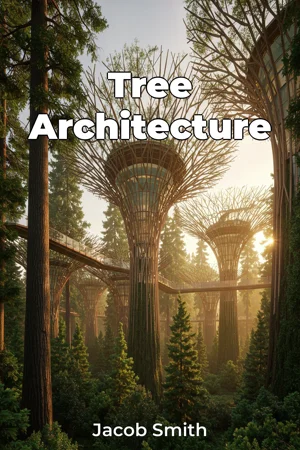
Have you ever considered that the most innovative architectural designs might be found not in blueprints, but in nature's own blueprints - trees? "Tree Architecture" explores the profound and multifaceted relationship between trees and architectural design, examining how these arboreal forms have inspired, and continue to inspire, human structures, sustainable practices, and innovative materials. This book delves into the intersection of environmental consciousness and architectural ingenuity, illustrating how we can move toward a future where buildings are not just placed within nature but are intrinsically connected to it. The book is structured around three central themes. The first is the direct inspiration trees provide for architectural forms, from the literal interpretation of treehouses to the biomimicry evident in structural designs that mimic branching patterns for optimal load distribution. The second theme focuses on sustainable building materials sourced from trees, evaluating the benefits and limitations of wood and engineered wood products in mitigating climate change and reducing the environmental impact of construction. The third explores the broader ecological role of trees in the urban environment and how architectural design can integrate trees to improve air quality, reduce the urban heat island effect, and enhance biodiversity. Understanding the book’s central concepts requires an appreciation of both architectural principles and basic ecological concepts related to trees, such as carbon sequestration, transpiration, and the structural mechanics of wood. "Tree Architecture" argues that a deeper understanding of these principles is crucial for developing sustainable and aesthetically pleasing architectural solutions. The core thesis is that successful integration of trees and architectural design necessitates a holistic approach that considers not only the structural and material benefits but also the ecological contributions and aesthetic qualities of trees. The book is organized into distinct sections, beginning with an introduction that lays out the fundamental concepts of biomimicry, sustainable materials, and ecological design. The subsequent chapters each delve into specific aspects of the relationship between trees and architecture. Examples include case studies of treehouse design, examinations of innovative wood construction techniques, and analyses of urban planning projects that prioritize tree integration. The concluding chapters synthesize these diverse elements, offering a vision for a future of more sustainable and nature-integrated architecture. The arguments presented are supported by a diverse range of evidence, including architectural case studies, scientific research on wood properties and ecological impacts, and data from urban planning initiatives. The book draws upon sources from architectural journals, forestry research, and environmental science publications. "Tree Architecture" connects to fields such as environmental science, urban planning, and material science. The integration of environmental science provides a framework for understanding the ecological impact of building materials, while connections to urban planning emphasize the importance of trees in creating livable and sustainable cities. The examination of material science highlights the latest innovations in wood technology and their potential to transform the construction industry. What sets this book apart is its comprehensive and interdisciplinary approach, bridging the gap between architectural theory and ecological practice. The book adopts an informed yet accessible tone. The writing style balances technical detail with clear explanations, making complex concepts understandable. The target audience includes architects, landscape architects, urban planners, environmental scientists, and anyone interested in sustainable design. It appeals to those seeking practical solutions for creating more environmentally friendly and aesthetically pleasing buildings and urban spaces. As a work of non-fiction, "Tree Architecture" prioritizes accuracy, objectivity, and evidence-based reasoning. It presents information clearly and systematically, following the conventions of academic writing while remaining accessible to a broad audience. The book focuses specifically on the architectural applications of trees and wood and intentionally limits its scope to exclude other sustainable building materials. This focus allows for a more in-depth exploration of the subject matter. The information presented can be applied in various real-world contexts, from designing individual buildings to planning entire urban ecosystems. It provides practical guidelines for selecting sustainable materials, integrating trees into architectural designs, and creating more ecologically resilient environments. While the use of wood as a building material is generally considered sustainable, the book also discusses the ongoing debates about deforestation, responsible forest management, and the carbon footprint of wood products. It addresses the complexities and potential controversies associated with relying on wood as a primary building material.
Have you ever considered that the most innovative architectural designs might be found not in blueprints, but in nature's own blueprints - trees? "Tree Architecture" explores the profound and multifaceted relationship between trees and architectural design, examining how these arboreal forms have inspired, and continue to inspire, human structures, sustainable practices, and innovative materials. This book delves into the intersection of environmental consciousness and architectural ingenuity, illustrating how we can move toward a future where buildings are not just placed within nature but are intrinsically connected to it. The book is structured around three central themes. The first is the direct inspiration trees provide for architectural forms, from the literal interpretation of treehouses to the biomimicry evident in structural designs that mimic branching patterns for optimal load distribution. The second theme focuses on sustainable building materials sourced from trees, evaluating the benefits and limitations of wood and engineered wood products in mitigating climate change and reducing the environmental impact of construction. The third explores the broader ecological role of trees in the urban environment and how architectural design can integrate trees to improve air quality, reduce the urban heat island effect, and enhance biodiversity. Understanding the book’s central concepts requires an appreciation of both architectural principles and basic ecological concepts related to trees, such as carbon sequestration, transpiration, and the structural mechanics of wood. "Tree Architecture" argues that a deeper understanding of these principles is crucial for developing sustainable and aesthetically pleasing architectural solutions. The core thesis is that successful integration of trees and architectural design necessitates a holistic approach that considers not only the structural and material benefits but also the ecological contributions and aesthetic qualities of trees. The book is organized into distinct sections, beginning with an introduction that lays out the fundamental concepts of biomimicry, sustainable materials, and ecological design. The subsequent chapters each delve into specific aspects of the relationship between trees and architecture. Examples include case studies of treehouse design, examinations of innovative wood construction techniques, and analyses of urban planning projects that prioritize tree integration. The concluding chapters synthesize these diverse elements, offering a vision for a future of more sustainable and nature-integrated architecture. The arguments presented are supported by a diverse range of evidence, including architectural case studies, scientific research on wood properties and ecological impacts, and data from urban planning initiatives. The book draws upon sources from architectural journals, forestry research, and environmental science publications. "Tree Architecture" connects to fields such as environmental science, urban planning, and material science. The integration of environmental science provides a framework for understanding the ecological impact of building materials, while connections to urban planning emphasize the importance of trees in creating livable and sustainable cities. The examination of material science highlights the latest innovations in wood technology and their potential to transform the construction industry. What sets this book apart is its comprehensive and interdisciplinary approach, bridging the gap between architectural theory and ecological practice. The book adopts an informed yet accessible tone. The writing style balances technical detail with clear explanations, making complex concepts understandable. The target audience includes architects, landscape architects, urban planners, environmental scientists, and anyone interested in sustainable design. It appeals to those seeking practical solutions for creating more environmentally friendly and aesthetically pleasing buildings and urban spaces. As a work of non-fiction, "Tree Architecture" prioritizes accuracy, objectivity, and evidence-based reasoning. It presents information clearly and systematically, following the conventions of academic writing while remaining accessible to a broad audience. The book focuses specifically on the architectural applications of trees and wood and intentionally limits its scope to exclude other sustainable building materials. This focus allows for a more in-depth exploration of the subject matter. The information presented can be applied in various real-world contexts, from designing individual buildings to planning entire urban ecosystems. It provides practical guidelines for selecting sustainable materials, integrating trees into architectural designs, and creating more ecologically resilient environments. While the use of wood as a building material is generally considered sustainable, the book also discusses the ongoing debates about deforestation, responsible forest management, and the carbon footprint of wood products. It addresses the complexities and potential controversies associated with relying on wood as a primary building material.
"Tree Architecture" explores the intersection of trees and architectural design, revealing how nature's forms inspire sustainable and innovative building practices. It examines how architectural designs mimic tree structures for enhanced stability using biomimicry, such as emulating branching patterns to distribute weight efficiently. The book also highlights the ecological role of trees in urban settings, emphasizing their ability to improve air quality and mitigate the urban heat island effect. The book is divided into three central themes, moving from direct inspiration to sustainable materials and ecological roles. It assesses the use of wood and engineered wood products, detailing their benefits and limitations concerning climate change. Case studies and examples illustrate the practical application of integrating trees into architectural projects, offering a vision for nature-integrated design. What makes this book unique is it's comprehensive approach, bridging architectural theory with ecological practice. Using an accessible yet informed tone, "Tree Architecture" highlights the importance of understanding both architectural principles and ecological concepts to foster sustainable building solutions.
Book Details
ISBN
9788233974541
Publisher
Publifye AS
Your Licenses
You don't own any licenses for this book
Purchase a license below to unlock this book and download the EPUB.
Purchase License
Select a tier to unlock this book
Need bulk licensing?
Contact us for enterprise agreements.