
About This Book
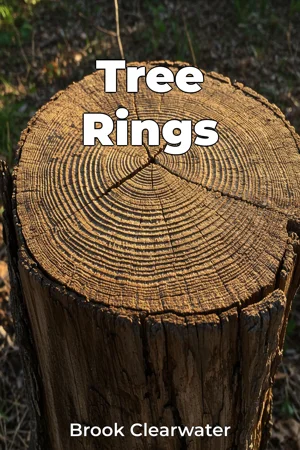
Did you know that trees hold within their very structure a detailed chronicle of the past, whispering tales of climate shifts, environmental upheavals, and even human history? This book, "Tree Rings," delves into the fascinating world of dendrochronology, the science of using tree rings to unlock these secrets. We will explore how the seemingly simple annual growth rings of trees provide a powerful tool for understanding Earth's past, present, and potentially, its future. The core concepts we will address include the formation of tree rings, the factors influencing their growth patterns, and the diverse applications of dendrochronology across multiple disciplines. Understanding how trees respond to environmental stressors – such as drought, temperature fluctuations, and pollution – is crucial for interpreting the historical record preserved within their rings. Furthermore, we will examine how this knowledge can inform our responses to current environmental challenges, including climate change. To fully appreciate the significance of tree-ring research, we will first establish the botanical and climatological foundations. We will explore how different tree species in various environments produce distinctive ring patterns. Understanding basic principles of forest ecology and climate science will allow us to interpret the patterns of wide and narrow rings, the presence of false rings, and other anomalies. No prior expertise is needed; we will provide the necessary background in an accessible manner. The central argument of "Tree Rings" is that dendrochronology offers a unique and invaluable perspective on environmental change and human-environment interactions. By carefully analyzing tree-ring data, we can reconstruct past climates, date archeological sites, assess forest health, and even track the impact of human activities on ecosystems. The book demonstrates the critical role of this interdisciplinary science in informing conservation efforts and promoting sustainable resource management. The book unfolds in a logical progression: Initially, we introduce the basic principles of dendrochronology, explaining how tree rings form and the factors that influence their growth. Then, we explore specific applications of tree-ring analysis, including climate reconstruction, archeological dating, and forest ecology studies. We dedicate chapters to analyzing past climatic events, such as major droughts and volcanic eruptions, and how they are reflected in tree-ring records across the globe. The book culminates in a discussion of the present and future applications of dendrochronology, emphasizing its importance in understanding and mitigating the impacts of climate change and other environmental threats. Finally, we explore the ethical considerations involved in dendrochronological research. The evidence presented in this book draws from a wealth of scientific literature, including peer-reviewed research articles, case studies, and field observations. We will examine data from various regions around the world, showcasing the diverse applications of dendrochronology in different environmental contexts. We also discuss the methodologies used in tree-ring analysis, including techniques for sample collection, ring measurement, and statistical analysis. "Tree Rings" connects to several other fields, including climate science, archeology, ecology, and environmental science. Climate scientists use tree-ring data to extend climate records further into the past than instrumental records allow. Archeologists use dendrochronology to accurately date wooden structures and artifacts. Forest ecologists use tree-ring analysis to assess forest health and understand the impacts of environmental stressors on tree growth. By integrating perspectives from these diverse fields, this book demonstrates the interdisciplinary nature of dendrochronology and its relevance to a wide range of scientific and societal issues. A unique aspect of this book is its emphasis on applying dendrochronological insights to contemporary environmental challenges. By learning from the past, we can gain a better understanding of how ecosystems respond to environmental change and develop more effective strategies for conservation and sustainable management. The writing style is professional but accessible, designed to engage readers with clear explanations and compelling examples. We avoid jargon and technical language whenever possible, ensuring that the book is understandable to a broad audience. The target audience includes students, researchers, environmental professionals, and anyone interested in learning more about environmental history, climate change, and the fascinating world of trees. This book will be valuable to readers seeking a comprehensive and accessible overview of dendrochronology and its applications. As a work of non-fiction in the Earth Sciences Geography genre, "Tree Rings" aims to present factual information in an organized and engaging manner, supported by scientific evidence and credible sources. The scope of the book is primarily focused on the scientific principles and applications of dendrochronology, with an emphasis on environmental and ecological research. While we touch upon the historical and cultural significance of trees, our primary focus is on the scientific aspects of tree-ring analysis. The information presented in this book can be applied in various practical ways. Researchers can use tree-ring data to reconstruct past climates and assess forest health. Environmental managers can use dendrochronology to inform conservation efforts and sustainable resource management practices. Educators can use tree-ring examples to teach students about environmental history and the impacts of climate change. One ongoing debate in the field of dendrochronology concerns the best methods for calibrating tree-ring chronologies with instrumental climate data. We will address this issue by discussing of the strengths and limitations of different calibration techniques.
Did you know that trees hold within their very structure a detailed chronicle of the past, whispering tales of climate shifts, environmental upheavals, and even human history? This book, "Tree Rings," delves into the fascinating world of dendrochronology, the science of using tree rings to unlock these secrets. We will explore how the seemingly simple annual growth rings of trees provide a powerful tool for understanding Earth's past, present, and potentially, its future. The core concepts we will address include the formation of tree rings, the factors influencing their growth patterns, and the diverse applications of dendrochronology across multiple disciplines. Understanding how trees respond to environmental stressors – such as drought, temperature fluctuations, and pollution – is crucial for interpreting the historical record preserved within their rings. Furthermore, we will examine how this knowledge can inform our responses to current environmental challenges, including climate change. To fully appreciate the significance of tree-ring research, we will first establish the botanical and climatological foundations. We will explore how different tree species in various environments produce distinctive ring patterns. Understanding basic principles of forest ecology and climate science will allow us to interpret the patterns of wide and narrow rings, the presence of false rings, and other anomalies. No prior expertise is needed; we will provide the necessary background in an accessible manner. The central argument of "Tree Rings" is that dendrochronology offers a unique and invaluable perspective on environmental change and human-environment interactions. By carefully analyzing tree-ring data, we can reconstruct past climates, date archeological sites, assess forest health, and even track the impact of human activities on ecosystems. The book demonstrates the critical role of this interdisciplinary science in informing conservation efforts and promoting sustainable resource management. The book unfolds in a logical progression: Initially, we introduce the basic principles of dendrochronology, explaining how tree rings form and the factors that influence their growth. Then, we explore specific applications of tree-ring analysis, including climate reconstruction, archeological dating, and forest ecology studies. We dedicate chapters to analyzing past climatic events, such as major droughts and volcanic eruptions, and how they are reflected in tree-ring records across the globe. The book culminates in a discussion of the present and future applications of dendrochronology, emphasizing its importance in understanding and mitigating the impacts of climate change and other environmental threats. Finally, we explore the ethical considerations involved in dendrochronological research. The evidence presented in this book draws from a wealth of scientific literature, including peer-reviewed research articles, case studies, and field observations. We will examine data from various regions around the world, showcasing the diverse applications of dendrochronology in different environmental contexts. We also discuss the methodologies used in tree-ring analysis, including techniques for sample collection, ring measurement, and statistical analysis. "Tree Rings" connects to several other fields, including climate science, archeology, ecology, and environmental science. Climate scientists use tree-ring data to extend climate records further into the past than instrumental records allow. Archeologists use dendrochronology to accurately date wooden structures and artifacts. Forest ecologists use tree-ring analysis to assess forest health and understand the impacts of environmental stressors on tree growth. By integrating perspectives from these diverse fields, this book demonstrates the interdisciplinary nature of dendrochronology and its relevance to a wide range of scientific and societal issues. A unique aspect of this book is its emphasis on applying dendrochronological insights to contemporary environmental challenges. By learning from the past, we can gain a better understanding of how ecosystems respond to environmental change and develop more effective strategies for conservation and sustainable management. The writing style is professional but accessible, designed to engage readers with clear explanations and compelling examples. We avoid jargon and technical language whenever possible, ensuring that the book is understandable to a broad audience. The target audience includes students, researchers, environmental professionals, and anyone interested in learning more about environmental history, climate change, and the fascinating world of trees. This book will be valuable to readers seeking a comprehensive and accessible overview of dendrochronology and its applications. As a work of non-fiction in the Earth Sciences Geography genre, "Tree Rings" aims to present factual information in an organized and engaging manner, supported by scientific evidence and credible sources. The scope of the book is primarily focused on the scientific principles and applications of dendrochronology, with an emphasis on environmental and ecological research. While we touch upon the historical and cultural significance of trees, our primary focus is on the scientific aspects of tree-ring analysis. The information presented in this book can be applied in various practical ways. Researchers can use tree-ring data to reconstruct past climates and assess forest health. Environmental managers can use dendrochronology to inform conservation efforts and sustainable resource management practices. Educators can use tree-ring examples to teach students about environmental history and the impacts of climate change. One ongoing debate in the field of dendrochronology concerns the best methods for calibrating tree-ring chronologies with instrumental climate data. We will address this issue by discussing of the strengths and limitations of different calibration techniques.
"Tree Rings" explores the science of dendrochronology, revealing how annual tree rings act as natural archives of environmental history. By examining these rings, scientists can reconstruct past climates, date archaeological sites, and assess forest health. One intriguing fact is how variations in ring width reflect environmental stressors like drought, offering insights into past ecological conditions. Another is the ability to pinpoint the timing of events like volcanic eruptions through unique signatures in tree-ring patterns, providing a timeline of Earth's history. The book progresses from foundational principles of tree-ring formation and the factors influencing their growth to specific applications like climate reconstruction and archaeological dating. It emphasizes the interdisciplinary nature of tree-ring analysis, connecting environmental science, Earth Sciences Geography, and forest ecology to better understand environmental challenges. A unique aspect of the book is its focus on applying dendrochronological insights to contemporary issues, especially climate change and sustainable resource management.
Book Details
ISBN
9788233974480
Publisher
Publifye AS
Your Licenses
You don't own any licenses for this book
Purchase a license below to unlock this book and download the EPUB.
Purchase License
Select a tier to unlock this book
Need bulk licensing?
Contact us for enterprise agreements.