
About This Book
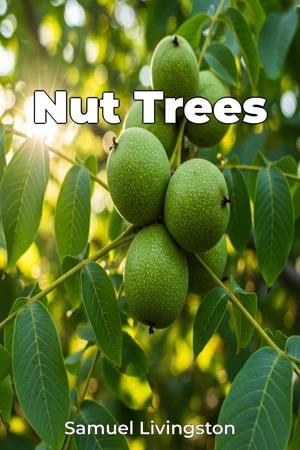
Have you ever considered the pivotal role nut-producing trees play in the intricate web of life on Earth? "Nut Trees" delves into the fascinating world of these arboreal providers, exploring their biological diversity, ecological importance, and the myriad ways they sustain ecosystems globally. Ranging from the familiar walnut and pecan to the more exotic macadamia and cashew, this book unveils the natural history of nut trees, their evolutionary adaptations, and their significance to both wildlife and human societies. This book extensively covers three main topics: the botany and physiology of nut-producing trees, their ecological roles, and their influence on global economies and human nutrition. Understanding the biological mechanisms behind nut production – from pollination to seed dispersal – provides crucial insights into the resilience and vulnerability of these species. Examining their ecological contributions, such as providing habitat for diverse fauna and contributing to soil health, emphasizes their importance in maintaining biodiversity. Finally, exploring their economic and nutritional impact highlights their critical role in food security and sustainable agriculture. Throughout history, nut trees have held cultural and economic significance for civilizations worldwide. From ancient foraging practices to modern commercial orchards, humans have cultivated and relied upon these resources. This book provides a scientific foundation for those interested in permaculture, conservation biology, sustainable agriculture, or simply curious about the natural world. No specialized knowledge is required to appreciate the subject matter; however, a basic understanding of biological concepts will enhance the reading experience. The central argument of "Nut Trees" is that these often-overlooked species are keystone components of global ecosystems, warranting greater recognition and conservation efforts. Their multifaceted contributions – from carbon sequestration to providing sustenance for countless organisms – underscore their irreplaceable value. "Nut Trees" begins by introducing the botanical characteristics of nut-bearing trees, detailing their unique reproductive strategies and growth patterns. It then progresses to discuss their ecological functions within different biomes, showcasing their interactions with animals, insects, and other plants. Major sections highlight the role of nut trees in climate regulation, soil conservation, and watershed management. The book culminates by examining the economic and social implications of nut production, addressing issues such as sustainable harvesting, fair trade practices, and the impact of climate change on nut tree populations. Case studies from various regions of the world are presented to illustrate these points. The evidence presented in "Nut Trees" is drawn from a wide array of scientific disciplines, including botany, ecology, forestry, and agricultural science. The book synthesizes data from peer-reviewed research articles, field studies, and governmental reports. Furthermore, it incorporates original data from long-term ecological monitoring programs, providing a comprehensive assessment of the status and trends of nut tree populations. The themes explored in "Nut Trees" readily connect to other fields, such as climate science (through carbon sequestration), economics (through agricultural markets and trade), and public health (through nutrition and food security). These interdisciplinary connections enrich the book's central argument, demonstrating the far-reaching impact of nut trees on various aspects of human society and the environment. This book provides a global perspective, considering a wide variety of species and geographic regions. However, due to the vast diversity of nut trees, the book does not provide an exhaustive account of every species; instead, it focuses on representative examples that illustrate key concepts and principles. Written in a clear and accessible style, "Nut Trees" is intended for a broad audience, including students, researchers, conservationists, and anyone interested in learning more about the natural world. The book’s blend of scientific rigor and engaging storytelling makes it suitable for both academic and general readers. As a work of natural history and life sciences, "Nut Trees" adheres to the conventions of scientific accuracy and objectivity. It presents factual information supported by evidence-based research, avoiding speculation or unsubstantiated claims. The information presented in "Nut Trees" has numerous real-world applications. It can inform sustainable forestry practices, guide conservation efforts, and promote responsible agricultural policies. Readers will gain a deeper understanding of the importance of nut trees and their role in creating a more sustainable future. "Nut Trees" contributes to ongoing discussions about sustainable agriculture and conservation. By highlighting the ecological and economic value of nut trees, it hopes to foster a more informed appreciation and proactive conservation of these ecologically important species.
Have you ever considered the pivotal role nut-producing trees play in the intricate web of life on Earth? "Nut Trees" delves into the fascinating world of these arboreal providers, exploring their biological diversity, ecological importance, and the myriad ways they sustain ecosystems globally. Ranging from the familiar walnut and pecan to the more exotic macadamia and cashew, this book unveils the natural history of nut trees, their evolutionary adaptations, and their significance to both wildlife and human societies. This book extensively covers three main topics: the botany and physiology of nut-producing trees, their ecological roles, and their influence on global economies and human nutrition. Understanding the biological mechanisms behind nut production – from pollination to seed dispersal – provides crucial insights into the resilience and vulnerability of these species. Examining their ecological contributions, such as providing habitat for diverse fauna and contributing to soil health, emphasizes their importance in maintaining biodiversity. Finally, exploring their economic and nutritional impact highlights their critical role in food security and sustainable agriculture. Throughout history, nut trees have held cultural and economic significance for civilizations worldwide. From ancient foraging practices to modern commercial orchards, humans have cultivated and relied upon these resources. This book provides a scientific foundation for those interested in permaculture, conservation biology, sustainable agriculture, or simply curious about the natural world. No specialized knowledge is required to appreciate the subject matter; however, a basic understanding of biological concepts will enhance the reading experience. The central argument of "Nut Trees" is that these often-overlooked species are keystone components of global ecosystems, warranting greater recognition and conservation efforts. Their multifaceted contributions – from carbon sequestration to providing sustenance for countless organisms – underscore their irreplaceable value. "Nut Trees" begins by introducing the botanical characteristics of nut-bearing trees, detailing their unique reproductive strategies and growth patterns. It then progresses to discuss their ecological functions within different biomes, showcasing their interactions with animals, insects, and other plants. Major sections highlight the role of nut trees in climate regulation, soil conservation, and watershed management. The book culminates by examining the economic and social implications of nut production, addressing issues such as sustainable harvesting, fair trade practices, and the impact of climate change on nut tree populations. Case studies from various regions of the world are presented to illustrate these points. The evidence presented in "Nut Trees" is drawn from a wide array of scientific disciplines, including botany, ecology, forestry, and agricultural science. The book synthesizes data from peer-reviewed research articles, field studies, and governmental reports. Furthermore, it incorporates original data from long-term ecological monitoring programs, providing a comprehensive assessment of the status and trends of nut tree populations. The themes explored in "Nut Trees" readily connect to other fields, such as climate science (through carbon sequestration), economics (through agricultural markets and trade), and public health (through nutrition and food security). These interdisciplinary connections enrich the book's central argument, demonstrating the far-reaching impact of nut trees on various aspects of human society and the environment. This book provides a global perspective, considering a wide variety of species and geographic regions. However, due to the vast diversity of nut trees, the book does not provide an exhaustive account of every species; instead, it focuses on representative examples that illustrate key concepts and principles. Written in a clear and accessible style, "Nut Trees" is intended for a broad audience, including students, researchers, conservationists, and anyone interested in learning more about the natural world. The book’s blend of scientific rigor and engaging storytelling makes it suitable for both academic and general readers. As a work of natural history and life sciences, "Nut Trees" adheres to the conventions of scientific accuracy and objectivity. It presents factual information supported by evidence-based research, avoiding speculation or unsubstantiated claims. The information presented in "Nut Trees" has numerous real-world applications. It can inform sustainable forestry practices, guide conservation efforts, and promote responsible agricultural policies. Readers will gain a deeper understanding of the importance of nut trees and their role in creating a more sustainable future. "Nut Trees" contributes to ongoing discussions about sustainable agriculture and conservation. By highlighting the ecological and economic value of nut trees, it hopes to foster a more informed appreciation and proactive conservation of these ecologically important species.
"Nut Trees" explores the often-underappreciated world of nut-producing trees, revealing their essential roles in global ecosystems, their biological diversity, and their impact on human societies. These trees, ranging from walnuts to cashews, are vital for biological diversity, providing habitats and contributing to soil health. The book highlights how understanding nut tree botany, such as their pollination methods, is crucial for conservation efforts. The book progresses from introducing the botanical characteristics of nut trees to discussing their ecological functions and economic significance. It emphasizes their importance in sustainable agriculture and addresses issues like sustainable harvesting. The book's approach synthesizes data from various scientific disciplines, presenting a comprehensive assessment of nut tree populations and their role in carbon sequestration and food security.
Book Details
ISBN
9788233974343
Publisher
Publifye AS
Your Licenses
You don't own any licenses for this book
Purchase a license below to unlock this book and download the EPUB.
Purchase License
Select a tier to unlock this book
Need bulk licensing?
Contact us for enterprise agreements.