
About This Book
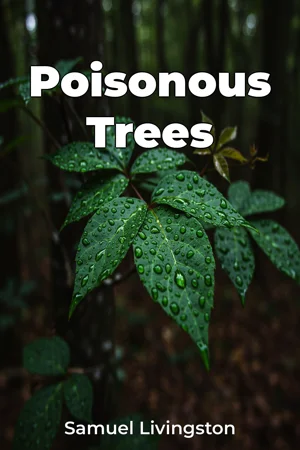
Did you know that a seemingly harmless tree in your backyard could pose a significant threat to your health, or even your life? "Poisonous Trees" unveils the hidden dangers lurking within the plant kingdom, exploring the toxic properties of various tree species and their far-reaching effects on humans, animals, and the environment. This book is an exploration of the intersection of nature, biology, and life sciences, shedding light on a critical yet often overlooked aspect of our natural world. We will examine two central topics: the chemical composition of tree toxins and their physiological effects. Understanding the specific toxins produced by different trees, such as glycosides, alkaloids, and resins, is crucial for comprehending their mechanisms of action. We will discuss how these toxins disrupt biological processes in humans and animals, leading to a range of symptoms from mild skin irritation to severe organ damage and even death. The knowledge is important for medical professionals, researchers, and anyone interested in understanding the potential risks associated with exposure to poisonous plants. Throughout history, people have encountered poisonous trees, sometimes with fatal consequences. Traditional societies often possessed intricate knowledge of these plants, using them for medicinal purposes, hunting, or warfare. However, modern urbanization and globalization have led to increased encounters with unfamiliar tree species, raising the risk of accidental poisoning. This book provides the context to understand how human activity has shaped the distribution and impact of poisonous trees. The central argument of "Poisonous Trees" is that an increased awareness of the risks associated with poisonous trees is essential for preventing accidental poisonings and promoting environmental safety. This book aims to provide a comprehensive resource for identifying and understanding the dangers of poisonous trees. The book begins with an introduction to the world of poisonous trees, defining key terms and establishing the scope of our exploration. Then, it delves into specific examples of poisonous trees from around the globe, detailing their toxic properties, geographical distribution, and the mechanisms by which they harm living organisms. A major section is dedicated to the clinical manifestations of tree poisoning, offering guidance on diagnosis and treatment. The book culminates in a discussion of preventative measures, including safe tree identification, landscape management strategies, and first aid protocols. The evidence presented in "Poisonous Trees" draws from a variety of sources, including scientific literature, botanical databases, clinical case studies, and traditional ecological knowledge. The book also draws upon original research and analyses of existing data, providing a unique and comprehensive perspective on the topic of poisonous trees. The subject matter of "Poisonous Trees" draws from various fields: Toxicology, revealing the specific chemical compounds and their effects; Ecology, explaining the distribution and interactions of poisonous trees within their environment; Medicine, providing clinical insights into the diagnosis and treatment of poisoning cases. These interdisciplinary connections enrich the book's argument, providing diverse perspectives on the topic. "Poisonous Trees" adopts a fact-based, scientific approach, utilizing clear and precise language to convey complex information. The tone is authoritative yet accessible, making the book suitable for readers with varying levels of scientific background. The primary audience for this book includes healthcare professionals, botanists, ecologists, landscape architects, gardeners, pet owners, and anyone who spends time outdoors. The information presented will empower readers to make informed decisions about tree selection, landscape management and personal safety. As a work of non-fiction, "Poisonous Trees" adheres to the conventions of accuracy, objectivity, and evidence-based reasoning. The book acknowledges the complexity of the subject matter and presents different perspectives where appropriate. The book primarily focuses on trees that pose a significant risk to human and animal health. While it touches upon the ecological roles of these trees, it does not aim to provide an exhaustive survey of all plants with toxic properties. The information presented in "Poisonous Trees" has numerous real-world applications. It can be used to inform public health campaigns, guide landscape design decisions, improve emergency medical protocols, and promote responsible environmental stewardship. While the basic toxicity of certain trees is well-established, some aspects of their effects, such as the long-term consequences of low-level exposure, remain areas of ongoing research and debate. "Poisonous Trees" acknowledges these uncertainties and provides a balanced overview of the current state of scientific knowledge.
Did you know that a seemingly harmless tree in your backyard could pose a significant threat to your health, or even your life? "Poisonous Trees" unveils the hidden dangers lurking within the plant kingdom, exploring the toxic properties of various tree species and their far-reaching effects on humans, animals, and the environment. This book is an exploration of the intersection of nature, biology, and life sciences, shedding light on a critical yet often overlooked aspect of our natural world. We will examine two central topics: the chemical composition of tree toxins and their physiological effects. Understanding the specific toxins produced by different trees, such as glycosides, alkaloids, and resins, is crucial for comprehending their mechanisms of action. We will discuss how these toxins disrupt biological processes in humans and animals, leading to a range of symptoms from mild skin irritation to severe organ damage and even death. The knowledge is important for medical professionals, researchers, and anyone interested in understanding the potential risks associated with exposure to poisonous plants. Throughout history, people have encountered poisonous trees, sometimes with fatal consequences. Traditional societies often possessed intricate knowledge of these plants, using them for medicinal purposes, hunting, or warfare. However, modern urbanization and globalization have led to increased encounters with unfamiliar tree species, raising the risk of accidental poisoning. This book provides the context to understand how human activity has shaped the distribution and impact of poisonous trees. The central argument of "Poisonous Trees" is that an increased awareness of the risks associated with poisonous trees is essential for preventing accidental poisonings and promoting environmental safety. This book aims to provide a comprehensive resource for identifying and understanding the dangers of poisonous trees. The book begins with an introduction to the world of poisonous trees, defining key terms and establishing the scope of our exploration. Then, it delves into specific examples of poisonous trees from around the globe, detailing their toxic properties, geographical distribution, and the mechanisms by which they harm living organisms. A major section is dedicated to the clinical manifestations of tree poisoning, offering guidance on diagnosis and treatment. The book culminates in a discussion of preventative measures, including safe tree identification, landscape management strategies, and first aid protocols. The evidence presented in "Poisonous Trees" draws from a variety of sources, including scientific literature, botanical databases, clinical case studies, and traditional ecological knowledge. The book also draws upon original research and analyses of existing data, providing a unique and comprehensive perspective on the topic of poisonous trees. The subject matter of "Poisonous Trees" draws from various fields: Toxicology, revealing the specific chemical compounds and their effects; Ecology, explaining the distribution and interactions of poisonous trees within their environment; Medicine, providing clinical insights into the diagnosis and treatment of poisoning cases. These interdisciplinary connections enrich the book's argument, providing diverse perspectives on the topic. "Poisonous Trees" adopts a fact-based, scientific approach, utilizing clear and precise language to convey complex information. The tone is authoritative yet accessible, making the book suitable for readers with varying levels of scientific background. The primary audience for this book includes healthcare professionals, botanists, ecologists, landscape architects, gardeners, pet owners, and anyone who spends time outdoors. The information presented will empower readers to make informed decisions about tree selection, landscape management and personal safety. As a work of non-fiction, "Poisonous Trees" adheres to the conventions of accuracy, objectivity, and evidence-based reasoning. The book acknowledges the complexity of the subject matter and presents different perspectives where appropriate. The book primarily focuses on trees that pose a significant risk to human and animal health. While it touches upon the ecological roles of these trees, it does not aim to provide an exhaustive survey of all plants with toxic properties. The information presented in "Poisonous Trees" has numerous real-world applications. It can be used to inform public health campaigns, guide landscape design decisions, improve emergency medical protocols, and promote responsible environmental stewardship. While the basic toxicity of certain trees is well-established, some aspects of their effects, such as the long-term consequences of low-level exposure, remain areas of ongoing research and debate. "Poisonous Trees" acknowledges these uncertainties and provides a balanced overview of the current state of scientific knowledge.
"Poisonous Trees" explores the often-overlooked dangers lurking in our environment, revealing the toxic properties of various tree species. It delves into the intersection of nature, biology, and life sciences to highlight the risks these trees pose to humans, animals, and the environment. The book details how seemingly harmless trees can contain potent toxins like glycosides and alkaloids, which can disrupt biological processes, leading to a range of health issues. Readers will discover how human activities have influenced the distribution of these trees and increased the likelihood of accidental poisoning, while also exploring historical uses of these plants by traditional societies. The book adopts a fact-based, scientific approach, progressing from an introduction of key terms and concepts to specific examples of poisonous trees from around the globe. It also provides guidance on diagnosis, treatment, and preventative measures. Drawing from scientific literature, clinical case studies, and traditional ecological knowledge, "Poisonous Trees" offers a comprehensive resource for identifying and understanding the dangers, empowering readers to make informed decisions about tree selection, landscape management, and personal safety.
Book Details
ISBN
9788233974329
Publisher
Publifye AS
Your Licenses
You don't own any licenses for this book
Purchase a license below to unlock this book and download the EPUB.
Purchase License
Select a tier to unlock this book
Need bulk licensing?
Contact us for enterprise agreements.