
About This Book
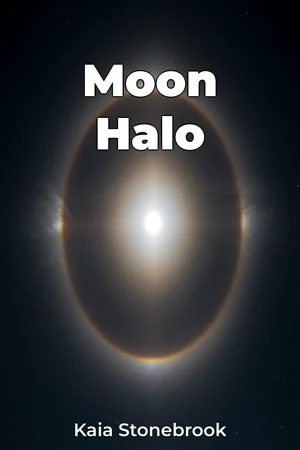
Have you ever gazed at the night sky and witnessed a luminous ring encircling the Moon, a phenomenon known as a lunar halo? This book, "Moon Halo," unveils the science behind these captivating optical illusions, exploring the intricate relationship between ice crystals in our atmosphere and the ethereal halos they create around both the Moon and the Sun. Understanding these phenomena provides insights into atmospheric conditions and the fundamental principles of light refraction and reflection, making this topic relevant to anyone curious about the natural world. This book delves into three key areas: the formation and properties of ice crystals in the atmosphere, the physics of light interaction with these crystals, and the specific types of halos and related phenomena observed around the Moon and Sun. Each of these elements is crucial to understanding the complete picture of halo formation. These topics are more than just scientific curiosities. They offer a window into understanding weather patterns, atmospheric composition, and the beauty of physics in action. "Moon Halo" presents a comprehensive investigation into the science underpinning these celestial displays. It builds from an introduction to basic meteorological principles and the properties of light, ensuring accessibility for readers with varying levels of scientific background. We begin by exploring the various types of ice crystals that populate the Earth's upper atmosphere, detailing their shapes, sizes, and orientations, as these factors critically affect how light interacts with them. We then examine the physics of refraction and reflection, demonstrating how light bends and bounces as it passes through these icy prisms. This section will include diagrams and illustrations demonstrating the various angles of refraction. Proceeding from these foundational elements, the book identifies the most common types of lunar and solar halos, such as the 22° halo, the circumhorizontal arc, and sun dogs (parhelia). Each type of halo is explained in detail, including the specific ice crystal formations responsible for its creation and the atmospheric conditions that favor its appearance. We will showcase photographs and observational data to demonstrate the visual characteristics of each halo type, providing a guide for identifying them in the natural world. The central argument of "Moon Halo" is that by understanding the interplay of atmospheric conditions, ice crystal morphology, and the physics of light, we can decipher the information contained within these halos, gaining valuable insights into our atmosphere and its processes. The book will also address the historical context, including early scientific explanations and cultural interpretations of halos. The evidence presented throughout the book is drawn from a synthesis of meteorological data, optical physics research, and observational studies. It incorporates data collected from ground-based observations, atmospheric sounding, and satellite imagery. "Moon Halo" naturally connects to meteorology, optical physics, and even art and culture. Meteorologists use halo observations to infer the presence of cirrus clouds and assess atmospheric conditions. Optical physicists study the interaction of light with matter, and halos provide a real-world example of these principles. The book also touches upon the cultural significance of halos, exploring how different civilizations have interpreted these phenomena throughout history. A unique aspect of this book is its holistic approach to the subject, bridging the gap between theoretical physics and practical observation. It emphasizes citizen science, encouraging readers to become active participants in documenting and studying halos. The book aims for a conversational yet informative tone, making complex scientific concepts accessible to a broad audience. The target audience includes amateur astronomers, weather enthusiasts, students of earth sciences, and anyone with a general interest in the natural world. The book offers valuable insights into atmospheric optics, cloud physics, and weather observation. This book adheres to the standards of scientific non-fiction, emphasizing accuracy, clarity, and evidence-based explanations. While the book offers a comprehensive overview of lunar and solar halos, it does not delve into the complexities of advanced atmospheric modeling. Instead, the focus remains on providing a clear and accessible explanation of the fundamental principles. The knowledge gained from "Moon Halo" can be applied practically in several ways. Readers can use this knowledge to anticipate weather patterns, identify different types of clouds, and appreciate the often-overlooked beauty of our atmosphere. By understanding the conditions that create halos, readers can become more attuned to the subtle signs in the sky. While there are no major controversies surrounding the basic science of halo formation, the book will address the challenges in predicting the precise timing and location of halo appearances, acknowledging the complexity of atmospheric dynamics.
Have you ever gazed at the night sky and witnessed a luminous ring encircling the Moon, a phenomenon known as a lunar halo? This book, "Moon Halo," unveils the science behind these captivating optical illusions, exploring the intricate relationship between ice crystals in our atmosphere and the ethereal halos they create around both the Moon and the Sun. Understanding these phenomena provides insights into atmospheric conditions and the fundamental principles of light refraction and reflection, making this topic relevant to anyone curious about the natural world. This book delves into three key areas: the formation and properties of ice crystals in the atmosphere, the physics of light interaction with these crystals, and the specific types of halos and related phenomena observed around the Moon and Sun. Each of these elements is crucial to understanding the complete picture of halo formation. These topics are more than just scientific curiosities. They offer a window into understanding weather patterns, atmospheric composition, and the beauty of physics in action. "Moon Halo" presents a comprehensive investigation into the science underpinning these celestial displays. It builds from an introduction to basic meteorological principles and the properties of light, ensuring accessibility for readers with varying levels of scientific background. We begin by exploring the various types of ice crystals that populate the Earth's upper atmosphere, detailing their shapes, sizes, and orientations, as these factors critically affect how light interacts with them. We then examine the physics of refraction and reflection, demonstrating how light bends and bounces as it passes through these icy prisms. This section will include diagrams and illustrations demonstrating the various angles of refraction. Proceeding from these foundational elements, the book identifies the most common types of lunar and solar halos, such as the 22° halo, the circumhorizontal arc, and sun dogs (parhelia). Each type of halo is explained in detail, including the specific ice crystal formations responsible for its creation and the atmospheric conditions that favor its appearance. We will showcase photographs and observational data to demonstrate the visual characteristics of each halo type, providing a guide for identifying them in the natural world. The central argument of "Moon Halo" is that by understanding the interplay of atmospheric conditions, ice crystal morphology, and the physics of light, we can decipher the information contained within these halos, gaining valuable insights into our atmosphere and its processes. The book will also address the historical context, including early scientific explanations and cultural interpretations of halos. The evidence presented throughout the book is drawn from a synthesis of meteorological data, optical physics research, and observational studies. It incorporates data collected from ground-based observations, atmospheric sounding, and satellite imagery. "Moon Halo" naturally connects to meteorology, optical physics, and even art and culture. Meteorologists use halo observations to infer the presence of cirrus clouds and assess atmospheric conditions. Optical physicists study the interaction of light with matter, and halos provide a real-world example of these principles. The book also touches upon the cultural significance of halos, exploring how different civilizations have interpreted these phenomena throughout history. A unique aspect of this book is its holistic approach to the subject, bridging the gap between theoretical physics and practical observation. It emphasizes citizen science, encouraging readers to become active participants in documenting and studying halos. The book aims for a conversational yet informative tone, making complex scientific concepts accessible to a broad audience. The target audience includes amateur astronomers, weather enthusiasts, students of earth sciences, and anyone with a general interest in the natural world. The book offers valuable insights into atmospheric optics, cloud physics, and weather observation. This book adheres to the standards of scientific non-fiction, emphasizing accuracy, clarity, and evidence-based explanations. While the book offers a comprehensive overview of lunar and solar halos, it does not delve into the complexities of advanced atmospheric modeling. Instead, the focus remains on providing a clear and accessible explanation of the fundamental principles. The knowledge gained from "Moon Halo" can be applied practically in several ways. Readers can use this knowledge to anticipate weather patterns, identify different types of clouds, and appreciate the often-overlooked beauty of our atmosphere. By understanding the conditions that create halos, readers can become more attuned to the subtle signs in the sky. While there are no major controversies surrounding the basic science of halo formation, the book will address the challenges in predicting the precise timing and location of halo appearances, acknowledging the complexity of atmospheric dynamics.
"Moon Halo" explores the captivating science behind lunar and solar halos, those luminous rings we sometimes see around the Moon or Sun. These optical illusions are created by light interacting with ice crystals in the atmosphere. One intriguing fact is that the specific shape and orientation of these ice crystals determine the type of halo formed, such as the common 22° halo or sun dogs. Understanding these atmospheric phenomena offers a window into weather patterns and the physics of light refraction, demonstrating how light bends as it passes through icy prisms. The book uniquely bridges theoretical physics with practical observation, encouraging readers to participate in documenting and studying halos. It begins with meteorological principles and light properties, then identifies common halo types, explaining the ice crystal formations and atmospheric conditions behind each. Using photographs and observational data, it provides a guide for identifying halos in nature. This approach makes complex scientific concepts accessible to a broad audience interested in Earth Sciences Geography. By understanding atmospheric conditions and ice crystal morphology, we gain valuable insights into our atmosphere.
Book Details
ISBN
9788233974169
Publisher
Publifye AS
Your Licenses
You don't own any licenses for this book
Purchase a license below to unlock this book and download the EPUB.
Purchase License
Select a tier to unlock this book
Need bulk licensing?
Contact us for enterprise agreements.