
About This Book
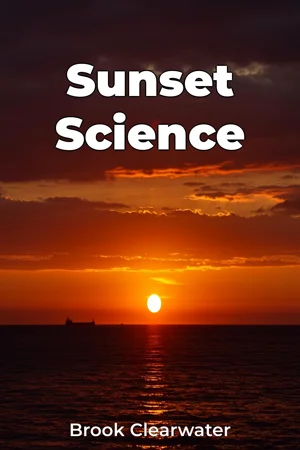
Have you ever paused to consider the science behind the stunning artistry of a sunset? "Sunset Science" delves into the captivating interplay of physics, atmospheric conditions, and environmental factors that paint the sky with an array of colors each evening. This book explores not only the scientific principles governing these celestial displays but also the increasingly significant impact of pollution on the colors we observe. Understanding these phenomena is crucial as atmospheric changes directly influence our climate and air quality. "Sunset Science" explores two primary topics: the physics of light scattering and absorption in the atmosphere, and the effect of pollution on sunset colors. The physics portion details how sunlight interacts with air molecules and particulate matter. Shorter wavelengths like blue and violet are scattered more effectively, which is why the daytime sky appears blue. At sunset, sunlight travels through a greater distance of atmosphere, scattering away most of the blue light and leaving longer wavelengths like orange and red to dominate. The section on pollution examines how airborne pollutants, from industrial emissions to wildfires, alter the composition of the atmosphere, and thus the colors we see at sunset. Increased particulate matter can lead to more intense reds and oranges under certain conditions, while other pollutants can create dull, washed-out sunsets. The book provides the historical context of these observations, referencing early scientific studies of light and the atmosphere, and charting the increase in air pollution since the industrial revolution. A basic understanding of physics and chemistry is helpful but not required, as fundamental concepts are explained throughout the book. The central argument of "Sunset Science" is that variations in sunset colors provide a readily observable indicator of atmospheric conditions and, increasingly, of the impact of human activities on our environment. By understanding the science behind sunsets, we can gain valuable insights into the health of our planet's atmosphere. The book begins by introducing the basic principles of light and atmospheric science. It then moves to develop these ideas in three key chapters: (1) "Rayleigh Scattering and Atmospheric Composition," which explains how light interacts with different gases in a pristine atmosphere; (2) "The Pollution Factor," which investigates the effect of various pollutants on light scattering and absorption; and (3) "Sunset as a Diagnostic Tool," which explores how sunset colors can be used to assess air quality trends. The book culminates by presenting the practical implications of its findings, offering guidance on how readers can observe and interpret sunset colors in their own environments, and discussing the potential for citizen science projects to monitor air quality using sunset observations. The arguments and findings in "Sunset Science" are supported by data from atmospheric monitoring networks, scientific studies on light scattering, and visual evidence gathered from photographs and time-lapse videos of sunsets around the world. It also references research on the health impacts of air pollution, connecting changes in sunset colors to broader environmental concerns. Interdisciplinary connections are made to environmental science, public health, and meteorology, showing how the study of sunsets can inform our understanding of broader environmental issues. It uniquely combines scientific analysis with visual observation, offering a perspective accessible to both scientists and the general public. The book adopts a factual and engaging tone, blending scientific rigor with accessible language and illustrative examples. It aims to make complex scientific concepts understandable and relevant to a broad readership including students, environmental enthusiasts, and anyone curious about the natural world. It follows the conventions of science non-fiction, presenting well-researched information in a clear and structured manner. The scope is limited to the science of sunset colors and their relationship to atmospheric conditions and pollution, excluding other astronomical phenomena. It offers practical tools and insights for readers to understand and interpret the sunsets they observe, contributing to a greater awareness of environmental issues. The book touches briefly on controversies related to climate change denial and the downplaying of air pollution’s impacts. It also mentions challenges in accurately measuring and attributing specific changes in sunset color to particular pollutants.
Have you ever paused to consider the science behind the stunning artistry of a sunset? "Sunset Science" delves into the captivating interplay of physics, atmospheric conditions, and environmental factors that paint the sky with an array of colors each evening. This book explores not only the scientific principles governing these celestial displays but also the increasingly significant impact of pollution on the colors we observe. Understanding these phenomena is crucial as atmospheric changes directly influence our climate and air quality. "Sunset Science" explores two primary topics: the physics of light scattering and absorption in the atmosphere, and the effect of pollution on sunset colors. The physics portion details how sunlight interacts with air molecules and particulate matter. Shorter wavelengths like blue and violet are scattered more effectively, which is why the daytime sky appears blue. At sunset, sunlight travels through a greater distance of atmosphere, scattering away most of the blue light and leaving longer wavelengths like orange and red to dominate. The section on pollution examines how airborne pollutants, from industrial emissions to wildfires, alter the composition of the atmosphere, and thus the colors we see at sunset. Increased particulate matter can lead to more intense reds and oranges under certain conditions, while other pollutants can create dull, washed-out sunsets. The book provides the historical context of these observations, referencing early scientific studies of light and the atmosphere, and charting the increase in air pollution since the industrial revolution. A basic understanding of physics and chemistry is helpful but not required, as fundamental concepts are explained throughout the book. The central argument of "Sunset Science" is that variations in sunset colors provide a readily observable indicator of atmospheric conditions and, increasingly, of the impact of human activities on our environment. By understanding the science behind sunsets, we can gain valuable insights into the health of our planet's atmosphere. The book begins by introducing the basic principles of light and atmospheric science. It then moves to develop these ideas in three key chapters: (1) "Rayleigh Scattering and Atmospheric Composition," which explains how light interacts with different gases in a pristine atmosphere; (2) "The Pollution Factor," which investigates the effect of various pollutants on light scattering and absorption; and (3) "Sunset as a Diagnostic Tool," which explores how sunset colors can be used to assess air quality trends. The book culminates by presenting the practical implications of its findings, offering guidance on how readers can observe and interpret sunset colors in their own environments, and discussing the potential for citizen science projects to monitor air quality using sunset observations. The arguments and findings in "Sunset Science" are supported by data from atmospheric monitoring networks, scientific studies on light scattering, and visual evidence gathered from photographs and time-lapse videos of sunsets around the world. It also references research on the health impacts of air pollution, connecting changes in sunset colors to broader environmental concerns. Interdisciplinary connections are made to environmental science, public health, and meteorology, showing how the study of sunsets can inform our understanding of broader environmental issues. It uniquely combines scientific analysis with visual observation, offering a perspective accessible to both scientists and the general public. The book adopts a factual and engaging tone, blending scientific rigor with accessible language and illustrative examples. It aims to make complex scientific concepts understandable and relevant to a broad readership including students, environmental enthusiasts, and anyone curious about the natural world. It follows the conventions of science non-fiction, presenting well-researched information in a clear and structured manner. The scope is limited to the science of sunset colors and their relationship to atmospheric conditions and pollution, excluding other astronomical phenomena. It offers practical tools and insights for readers to understand and interpret the sunsets they observe, contributing to a greater awareness of environmental issues. The book touches briefly on controversies related to climate change denial and the downplaying of air pollution’s impacts. It also mentions challenges in accurately measuring and attributing specific changes in sunset color to particular pollutants.
"Sunset Science" explores the captivating science behind the colors of the setting sun, revealing how atmospheric conditions and air pollution influence these daily displays. It delves into the physics of light scattering, explaining why the sky appears blue during the day and how sunsets showcase vibrant oranges and reds as sunlight travels through more of the atmosphere. Interestingly, variations in sunset colors can serve as indicators of air quality, offering a visual representation of atmospheric health. The book uniquely connects scientific analysis with everyday observation, making complex concepts accessible to a broad audience. It examines how pollutants, from industrial emissions to wildfires, alter the composition of the atmosphere and, consequently, sunset colors. For example, increased particulate matter can lead to more intense reds, while other pollutants may create dull, washed-out sunsets. "Sunset Science" progresses from basic principles of light and atmospheric science to the effects of pollution and the use of sunsets as a diagnostic tool. Ultimately, it demonstrates how understanding sunset colors can provide valuable insights into environmental issues and the impact of human activities. By blending scientific rigor with engaging language, the book empowers readers to interpret the sunsets they observe and contribute to a greater awareness of the atmosphere and environmental monitoring.
Book Details
ISBN
9788233974138
Publisher
Publifye AS
Your Licenses
You don't own any licenses for this book
Purchase a license below to unlock this book and download the EPUB.
Purchase License
Select a tier to unlock this book
Need bulk licensing?
Contact us for enterprise agreements.