
About This Book
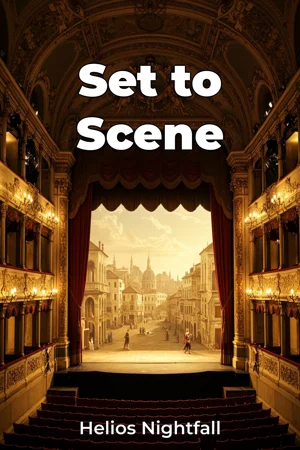
Can a set truly become a character in its own right, shaping not just the visual landscape but the very emotional core of a performance? "Set to Scene" explores the transformative journey from initial set design concepts to the creation of memorable and impactful scenes on stage and screen. This book delves into the practical techniques and theoretical underpinnings that empower designers to craft environments that resonate with audiences long after the curtain falls or the credits roll. The core of this exploration hinges on three key topics: the psychology of space, the practical application of scenic technology, and the narrative power of visual storytelling. Understanding how spatial arrangements influence perception and emotion is paramount. Mastering the technical aspects of set construction, lighting, and sound integration provides the tools for realization. And finally, harnessing the ability to weave a visual narrative enhances the dramatic weight of every scene. These topics are important because they bridge the gap between conceptual design and tangible, emotionally resonant experiences. The book provides a comprehensive background in theatre history and design principles, assuming a basic familiarity with stagecraft terminology. It examines historical trends in set design, from the minimalist stages of ancient Greece to the elaborate spectacles of the Baroque era, demonstrating how evolving technologies and aesthetic philosophies have consistently redefined the relationship between performer and environment. Our central argument is that effective set design transcends mere decoration; it becomes a vital component of the storytelling process, capable of amplifying emotional impact and deepening audience engagement. This argument challenges the traditional view of set design as a purely technical or aesthetic endeavor, positioning it instead as a powerful form of visual communication. The book unfolds in a structured manner. First, foundational concepts in design theory, color psychology, and spatial dynamics are introduced. Then, a series of chapters explore specific design elements, such as line, form, texture, and light, demonstrating their application through case studies of successful productions. These case studies are supported by technical diagrams, construction blueprints, and lighting plots. Finally, the book culminates in a discussion of the collaborative process, emphasizing the importance of communication between the designer, director, actors, and technical crew. Evidence will be drawn from a variety of sources, including published design journals, interviews with leading set designers, and detailed analyses of production photographs and videos. Original research, including surveys of audience responses to different set designs, will also be presented. "Set to Scene" connects to several related fields, including architecture, film studies, and psychology. Architectural principles inform the creation of believable and functional spaces. Film studies provide insights into the use of visual language and cinematic techniques. Psychological research illuminates the ways in which audiences perceive and respond to different visual stimuli. These interdisciplinary connections enrich the book's argument, demonstrating the broad relevance of set design principles. This book offers a unique perspective by combining theoretical insights with practical applications. Rather than simply showcasing visually appealing designs, it delves into the underlying principles that make those designs effective. This approach empowers readers to develop their own creative solutions to design challenges. The tone is both informative and engaging, blending academic rigor with a conversational style. The writing is clear, concise, and accessible to a wide range of readers. The target audience includes students of set design, practicing designers, directors, and anyone interested in the performing arts. The book's practical advice and theoretical insights will be valuable to anyone seeking to enhance their understanding of visual storytelling. As a book within the Design and Performing Arts genres, "Set to Scene" adheres to conventions such as including numerous visual aids, technical diagrams, and case studies. It also provides a glossary of key terms. The book's scope is limited to stage and screen design, focusing primarily on narrative performance. It does not delve into other areas of design, such as interior design or product design. The information in "Set to Scene" can be applied directly to real-world design projects. The book provides practical exercises and case studies that readers can use to develop their skills and refine their design sensibilities. While set design might seem purely subjective, there are ongoing debates about the influence of technology versus traditional methods, and the role of audience interpretation in the success of a design. "Set to Scene" addresses these controversies by presenting a range of perspectives and encouraging readers to develop their own informed opinions.
Can a set truly become a character in its own right, shaping not just the visual landscape but the very emotional core of a performance? "Set to Scene" explores the transformative journey from initial set design concepts to the creation of memorable and impactful scenes on stage and screen. This book delves into the practical techniques and theoretical underpinnings that empower designers to craft environments that resonate with audiences long after the curtain falls or the credits roll. The core of this exploration hinges on three key topics: the psychology of space, the practical application of scenic technology, and the narrative power of visual storytelling. Understanding how spatial arrangements influence perception and emotion is paramount. Mastering the technical aspects of set construction, lighting, and sound integration provides the tools for realization. And finally, harnessing the ability to weave a visual narrative enhances the dramatic weight of every scene. These topics are important because they bridge the gap between conceptual design and tangible, emotionally resonant experiences. The book provides a comprehensive background in theatre history and design principles, assuming a basic familiarity with stagecraft terminology. It examines historical trends in set design, from the minimalist stages of ancient Greece to the elaborate spectacles of the Baroque era, demonstrating how evolving technologies and aesthetic philosophies have consistently redefined the relationship between performer and environment. Our central argument is that effective set design transcends mere decoration; it becomes a vital component of the storytelling process, capable of amplifying emotional impact and deepening audience engagement. This argument challenges the traditional view of set design as a purely technical or aesthetic endeavor, positioning it instead as a powerful form of visual communication. The book unfolds in a structured manner. First, foundational concepts in design theory, color psychology, and spatial dynamics are introduced. Then, a series of chapters explore specific design elements, such as line, form, texture, and light, demonstrating their application through case studies of successful productions. These case studies are supported by technical diagrams, construction blueprints, and lighting plots. Finally, the book culminates in a discussion of the collaborative process, emphasizing the importance of communication between the designer, director, actors, and technical crew. Evidence will be drawn from a variety of sources, including published design journals, interviews with leading set designers, and detailed analyses of production photographs and videos. Original research, including surveys of audience responses to different set designs, will also be presented. "Set to Scene" connects to several related fields, including architecture, film studies, and psychology. Architectural principles inform the creation of believable and functional spaces. Film studies provide insights into the use of visual language and cinematic techniques. Psychological research illuminates the ways in which audiences perceive and respond to different visual stimuli. These interdisciplinary connections enrich the book's argument, demonstrating the broad relevance of set design principles. This book offers a unique perspective by combining theoretical insights with practical applications. Rather than simply showcasing visually appealing designs, it delves into the underlying principles that make those designs effective. This approach empowers readers to develop their own creative solutions to design challenges. The tone is both informative and engaging, blending academic rigor with a conversational style. The writing is clear, concise, and accessible to a wide range of readers. The target audience includes students of set design, practicing designers, directors, and anyone interested in the performing arts. The book's practical advice and theoretical insights will be valuable to anyone seeking to enhance their understanding of visual storytelling. As a book within the Design and Performing Arts genres, "Set to Scene" adheres to conventions such as including numerous visual aids, technical diagrams, and case studies. It also provides a glossary of key terms. The book's scope is limited to stage and screen design, focusing primarily on narrative performance. It does not delve into other areas of design, such as interior design or product design. The information in "Set to Scene" can be applied directly to real-world design projects. The book provides practical exercises and case studies that readers can use to develop their skills and refine their design sensibilities. While set design might seem purely subjective, there are ongoing debates about the influence of technology versus traditional methods, and the role of audience interpretation in the success of a design. "Set to Scene" addresses these controversies by presenting a range of perspectives and encouraging readers to develop their own informed opinions.
"Set to Scene" explores the crucial role of set design in shaping the audience's experience within the performing arts. This book examines how stage and scene design goes beyond mere decoration, becoming a powerful tool for visual storytelling. Intriguing facts, such as how spatial arrangements directly influence perception and emotion, are explored. The book highlights how effective design amplifies emotional impact and deepens audience engagement, ultimately challenging the traditional view of set design. The book progresses from foundational design theory and the psychology of space to practical applications of scenic technology, including set construction and lighting design. Through case studies, technical diagrams, and historical context, readers gain a comprehensive understanding of design principles. By combining theoretical insights with real-world examples, "Set to Scene" provides a unique and valuable perspective for students, designers, and anyone interested in the transformative power of visual storytelling.
Book Details
ISBN
9788233973995
Publisher
Publifye AS
Your Licenses
You don't own any licenses for this book
Purchase a license below to unlock this book and download the EPUB.
Purchase License
Select a tier to unlock this book
Need bulk licensing?
Contact us for enterprise agreements.