
About This Book
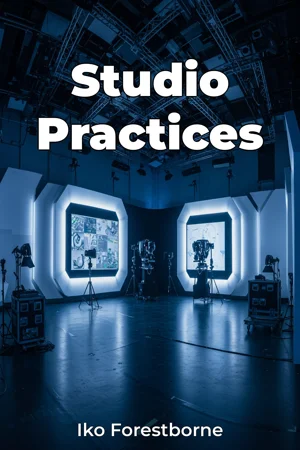
How do the physical spaces of film and television studios shape the creative process and ultimately influence the stories we see on screen? "Studio Practices" delves into the intricate relationship between architecture and film production, offering a comprehensive examination of studio design, operations, and their impact on the entertainment industry. This book explores two key topics: the evolution of studio architecture through history and the practical application of architectural design principles to optimize film and television production workflows. Understanding these elements is crucial for anyone involved in the creation, management, or study of cinematic media, as the studio environment directly affects efficiency, innovation, and artistic output. The book contextualizes studio design within a historical framework, tracing its development from the earliest days of filmmaking to the digital age. It considers how technological advancements, economic factors, and aesthetic trends have shaped the layout, functionality, and symbolic meaning of studio spaces. Readers will gain insight into how the architectural choices of studio lots reflect the values and priorities of different eras in film history. The central argument of "Studio Practices" is that studio architecture is not merely a backdrop for filmmaking but an active participant in the creative process. The design of these spaces profoundly impacts the way films and television shows are conceived, produced, and experienced. By understanding the principles of architectural design as they apply to studio environments, we can unlock new possibilities for innovation and collaboration in the entertainment industry. The book is structured to provide a thorough understanding of studio design. First, it introduces the fundamental concepts of studio operations and the basic architectural principles relevant to film and television production. Second, it examines historical case studies of influential studio complexes, analyzing their design features and their impact on the films produced within their walls. Third, it presents contemporary examples of studio architecture, including soundstages, post-production facilities, and virtual production environments, all to show the most bleeding-edge technologies and design principles. The argument culminates in a discussion of future trends in studio design, exploring how emerging technologies and changing production practices will shape the studios of tomorrow. Practical applications of the concepts explored are illustrated through real-world examples and design guidelines for optimizing studio spaces. The analysis will draw from historical records, technical reports, architectural plans, and interviews with industry professionals. Unique data sources include archival materials from major film studios and insights gained from site visits to various production facilities. "Studio Practices" connects to several interdisciplinary fields, primarily film studies, architectural history, and business management. Film studies provides the context for understanding the creative processes that take place within studios, architectural history offers a framework for analyzing the design and evolution of studio spaces, and business management provides insights into the economic and operational considerations that drive studio design decisions. These interdisciplinary connections enrich the book's argument by providing a holistic perspective on the complex relationship between architecture and film production. This study offers a unique perspective by integrating architectural analysis with a detailed understanding of film and television production workflows. This approach allows the book to move beyond purely aesthetic considerations and examine the practical implications of studio design choices. The tone of the book is academic yet accessible, presenting complex information in a clear and engaging manner. The writing style blends historical analysis with practical guidance, making it valuable to both scholars and industry professionals. The book's target audience includes students and scholars of film studies, architecture, and media production, as well as professionals working in the film and television industry, such as studio executives, production designers, and facility managers. It provides readers with insights into the historical evolution of studio spaces and how architecture can enhance the creative process. As a work spanning Film & Television and Architecture, “Studio Practices” adheres to the conventions of both fields, combining scholarly rigor with practical relevance. It includes detailed visual analysis of architectural plans and film stills, as well as case studies of successful studio designs. The scope is limited to the architectural design and operational aspects of film and television studios, excluding detailed discussions of filmmaking techniques or specific film productions, unless they directly relate to the studio environment. The information presented in "Studio Practices" can be applied in many ways, from informing the design of new studio facilities to optimizing the layout of existing production spaces. The book addresses ongoing debates about the impact of digital technologies on studio design, particularly the rise of virtual production and remote collaboration. It offers insights into how studios can adapt to these changes and create environments that foster creativity and innovation.
How do the physical spaces of film and television studios shape the creative process and ultimately influence the stories we see on screen? "Studio Practices" delves into the intricate relationship between architecture and film production, offering a comprehensive examination of studio design, operations, and their impact on the entertainment industry. This book explores two key topics: the evolution of studio architecture through history and the practical application of architectural design principles to optimize film and television production workflows. Understanding these elements is crucial for anyone involved in the creation, management, or study of cinematic media, as the studio environment directly affects efficiency, innovation, and artistic output. The book contextualizes studio design within a historical framework, tracing its development from the earliest days of filmmaking to the digital age. It considers how technological advancements, economic factors, and aesthetic trends have shaped the layout, functionality, and symbolic meaning of studio spaces. Readers will gain insight into how the architectural choices of studio lots reflect the values and priorities of different eras in film history. The central argument of "Studio Practices" is that studio architecture is not merely a backdrop for filmmaking but an active participant in the creative process. The design of these spaces profoundly impacts the way films and television shows are conceived, produced, and experienced. By understanding the principles of architectural design as they apply to studio environments, we can unlock new possibilities for innovation and collaboration in the entertainment industry. The book is structured to provide a thorough understanding of studio design. First, it introduces the fundamental concepts of studio operations and the basic architectural principles relevant to film and television production. Second, it examines historical case studies of influential studio complexes, analyzing their design features and their impact on the films produced within their walls. Third, it presents contemporary examples of studio architecture, including soundstages, post-production facilities, and virtual production environments, all to show the most bleeding-edge technologies and design principles. The argument culminates in a discussion of future trends in studio design, exploring how emerging technologies and changing production practices will shape the studios of tomorrow. Practical applications of the concepts explored are illustrated through real-world examples and design guidelines for optimizing studio spaces. The analysis will draw from historical records, technical reports, architectural plans, and interviews with industry professionals. Unique data sources include archival materials from major film studios and insights gained from site visits to various production facilities. "Studio Practices" connects to several interdisciplinary fields, primarily film studies, architectural history, and business management. Film studies provides the context for understanding the creative processes that take place within studios, architectural history offers a framework for analyzing the design and evolution of studio spaces, and business management provides insights into the economic and operational considerations that drive studio design decisions. These interdisciplinary connections enrich the book's argument by providing a holistic perspective on the complex relationship between architecture and film production. This study offers a unique perspective by integrating architectural analysis with a detailed understanding of film and television production workflows. This approach allows the book to move beyond purely aesthetic considerations and examine the practical implications of studio design choices. The tone of the book is academic yet accessible, presenting complex information in a clear and engaging manner. The writing style blends historical analysis with practical guidance, making it valuable to both scholars and industry professionals. The book's target audience includes students and scholars of film studies, architecture, and media production, as well as professionals working in the film and television industry, such as studio executives, production designers, and facility managers. It provides readers with insights into the historical evolution of studio spaces and how architecture can enhance the creative process. As a work spanning Film & Television and Architecture, “Studio Practices” adheres to the conventions of both fields, combining scholarly rigor with practical relevance. It includes detailed visual analysis of architectural plans and film stills, as well as case studies of successful studio designs. The scope is limited to the architectural design and operational aspects of film and television studios, excluding detailed discussions of filmmaking techniques or specific film productions, unless they directly relate to the studio environment. The information presented in "Studio Practices" can be applied in many ways, from informing the design of new studio facilities to optimizing the layout of existing production spaces. The book addresses ongoing debates about the impact of digital technologies on studio design, particularly the rise of virtual production and remote collaboration. It offers insights into how studios can adapt to these changes and create environments that foster creativity and innovation.
"Studio Practices" explores the profound connection between architecture and the film and television industry. It argues that studio architecture isn't just a backdrop, but actively shapes creative processes. Readers gain insights into how studio design influences film conception, production, and audience experience. For example, the evolution of soundstages reflects technological advancements and aesthetic trends, impacting everything from filming techniques to post-production workflows. The book uniquely integrates architectural analysis with a deep understanding of film and television production. It traces the history of studio architecture, examining how economic factors and technological shifts have influenced studio layouts. Structured sequentially, "Studio Practices" first introduces fundamental concepts, then explores historical and contemporary case studies, culminating in a discussion of future trends, covering topics like virtual production and post-production facilities. The book adopts an academic yet accessible tone, blending historical insights with practical design principles. Using historical records, architectural plans, and interviews, it offers a thorough understanding valuable to both scholars and industry professionals. The book's approach is particularly helpful for optimizing studio spaces and informing the design of new facilities, addressing ongoing debates about digital technologies and studio design.
Book Details
ISBN
9788233973957
Publisher
Publifye AS
Your Licenses
You don't own any licenses for this book
Purchase a license below to unlock this book and download the EPUB.
Purchase License
Select a tier to unlock this book
Need bulk licensing?
Contact us for enterprise agreements.